
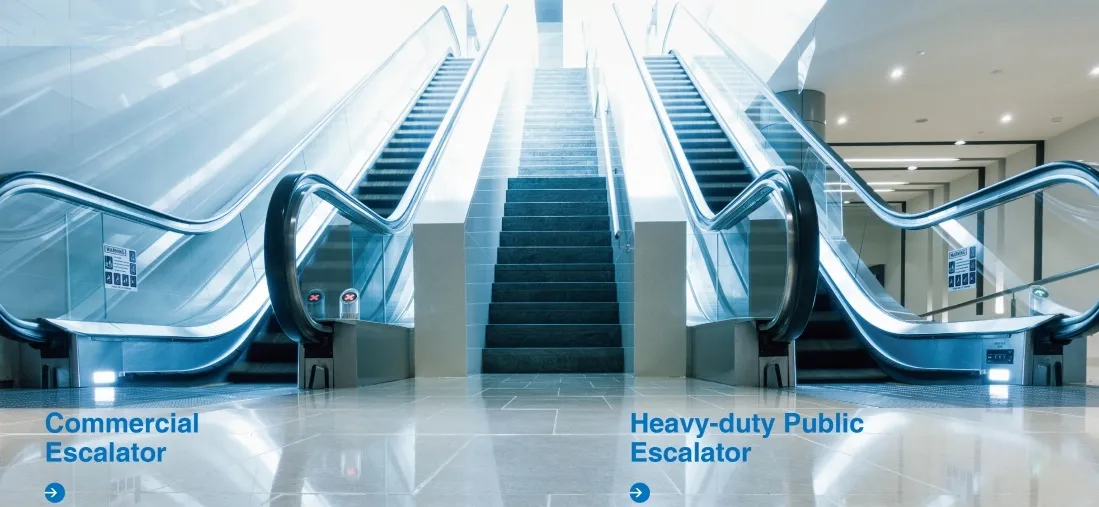
You know that familiar hum when you step onto an escalator? That sound hides an engineering ballet most of us take for granted. Every day, these mechanical marvels move millions worldwide through malls, airports, and transit hubs. But have you ever wondered about the journey these machines take before carrying your feet?
From their 19th-century origins as amusement park novelties to today's sophisticated commercial elevators , escalators blend practicality and physics in ways that'll make your head spin.
Escalator construction is less like building furniture and more like crafting a Swiss watch the size of a bus. The core components aren't just assembled - they're born through complex fabrication processes:
A standard 15-foot escalator contains over 8,000 individual parts , each requiring specialized manufacturing techniques. No wonder assembling one feels like 3D chess!
Once components arrive at assembly facilities, the magic happens through coordinated stages that would impress even a ballet choreographer:
First comes the skeleton crew - literally. Workers bolt the pre-fab truss sections together like giant Lego blocks, creating the escalator's core shape. Next, the moving parts get installed:
The final touch? Adding those grooved steps that make "mind the gap" warnings possible. This is all accomplished in controlled factory environments where even dust particles are enemies to precision alignment.
What separates great escalator manufacturing from dangerous failures? Relentless safety testing. Each component undergoes torture tests that'd make your gym trainer blush:
Steps get overloaded with double their weight capacity. Safety brakes get activated at full speed. Emergency shutoffs are tested hundreds of times. Why? Because a single hiccup could mean thousands of riders at risk.
Modern sensors constantly monitor for anything unusual - speed fluctuations, step misalignments, even suspicious vibrations. These guardrails evolved from tragic historical failures like London's 1987 King's Cross fire, where escalator mechanics tragically fueled a fire's spread.
This is where manufacturing meets real-world circus logistics. Getting a finished escalator into a shopping center feels like pushing a whale through a doggie door.
First, the disassembly ballet: partially breaking down factory-assembled sections for transport. Then, timing deliveries to construction sites with military precision. Finally, the nerve-wracking lift into place using cranes that must dance around structural obstacles.
Installation teams work overnight shifts to minimize disruption - the mall must open as usual come morning! Every shim adjustment and bolt tightening happens under tight deadlines.
A manufacturer's job doesn't end at installation. These machines need constant TLC through:
Technicians carry diagnostic kits resembling Doctor Who's sonic screwdriver, hunting invisible problems through sound signatures and heat patterns. This hidden world of escalator healthcare keeps rides running millions of miles without catastrophe.
Escalator design hasn't stopped evolving since Jesse Reno's 1896 prototype. Recent breakthroughs include:
Smart Sensors - Using AI to detect stumbles before they cause falls, like digital reflexes
Energy Recovery - Regenerative brakes actually feeding electricity back into building grids
Adaptive Speeds - Slowing down during light traffic like a thoughtful butler
Modular Upgrades - Swapping components like phone cases as new tech emerges
The future? Touchless interfaces, self-diagnosing systems, and integration with building-wide AI. Just don't expect those flying escalators from sci-fi movies anytime soon - physics still collects its dues!
Next time you ride, remember: that seamless glide hides generations of mechanical ingenuity making the complex feel effortless. Now that's manufacturing magic.
Recommend Products












