
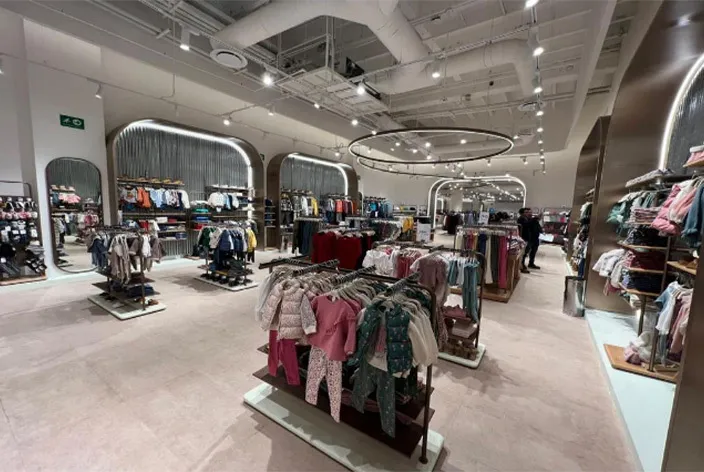
Wondering how much you'll need to budget for store lighting upgrades next year? With shifting supply chains and new technologies hitting the market, store owners and contractors are all asking the same question. Let's break down what really drives pricing for retail lighting and where it's heading.
Right now, commercial lighting is undergoing its biggest transformation since LEDs became mainstream. You've got traditional fluorescent fixtures competing with smart LED systems that can literally change how customers experience stores. Demand is soaring for modular track systems – you know, the ones allowing flexible rearrangement without rewiring – especially from specialty retailers.
China's role here is huge. As the top global producer, Chinese manufacturers are flooding markets with competitive-priced LED batten lights and panel systems. Shipping routes from Shenzhen or Guangzhou to places like Jeddah now form 80% of Saudi Arabia's lighting imports. That supply chain stability matters when predicting future costs.
| Product Type | Current Avg Price | 2024 Forecast | 2025 Forecast | Key Drivers |
|---|---|---|---|---|
| Basic LED Panels | $18-$22/unit | +3-5% | +2-4% | Competition from Chinese OEMs |
| Smart Track Systems | $55-$80/unit | +8-10% | +6-9% | Chip shortages + IoT integration |
| Architectural Linear LED | $90-$130/linear ft | +12-15% | +7-11% | Custom profiles + energy regs |
| Industrial High-Bay | $120-$180/unit | +5-8% | +3-5% | Lower component inventory |
| Decorative Pendants | $75-$400/unit | +6-9% | +4-7% | Specialty glass + install complexity |
Solar-hybrid systems are becoming serious contenders. Imagine cutting grid reliance while qualifying for green tax credits – that dual saving is pushing more stores toward photovoltaic-linked lighting arrays.
Meanwhile, warehouse-sized producers in China are automating assembly lines. One Guangdong factory I toured now uses AI for quality control, slashing defect rates below 0.3%. For bulk buyers ordering 5000+ units, that means direct factory pricing beating regional distributors.
Neom City construction is sucking up lighting inventory like a vacuum. With the kingdom aiming for 50% renewable energy in retail by 2030, contractors face dual challenges: finding premium low-wattage LEDs and qualified installers. Result? Projects in Riyadh see 22% higher lighting installation costs than comparable builds in Egypt.
The Saudi Vision 2030 subsidies partially offset this through tax breaks for eco-friendly building materials , but retailers still feel the pinch. Most rely on UAE-based stockists sourcing from Chinese manufacturers to avoid 18-month lead times from European brands.
Budget for 5-12% higher spending depending on your lighting tier. While base LED panel costs might only see modest upticks, the gap between no-frills lighting and smart features will widen.
Those seeking premium commercial lighting with circadian rhythm tuning or emergency backup systems should anticipate the biggest jumps. Still, strategic sourcing from China’s Pearl River Delta factories remains your strongest hedge against inflation.
Start talking to suppliers now about locking Q1 2024 prices. Given current component lead times, lighting quoted today likely reflects actual 2025 costs better than guesses. The future's bright – just slightly more expensive.
Recommend Products












