
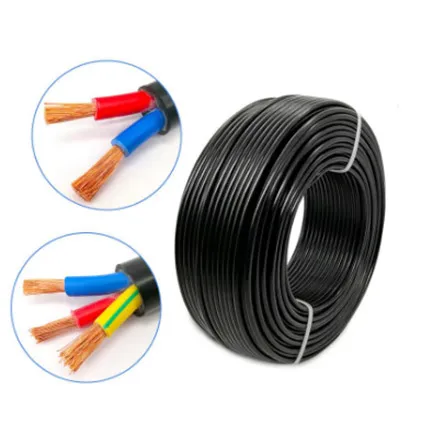
You're probably wondering: Why should I care about something as mundane as cable prices? Well, here's the thing – whether you're charging your phone, streaming shows, or running industrial machinery, cables are the invisible bloodstream of our digital lives. As we head into 2024-25, major shifts in global markets are reshaping what we'll pay for these essential connectors. Let's unravel the complex web behind copper and fiber optics to understand what's coming.
The cable industry isn't just growing – it's exploding with transformation. Here's what's happening:
Current market value: ≈ $215 billion (that's bigger than most national economies!) Projected growth: 6.2% yearly through 2034Imagine this: Asia Pacific alone is guzzling cables like there's no tomorrow, pulling in over 38% of global demand. Countries like India are on a building spree with initiatives like 'Make in India' driving unprecedented infrastructure growth. Meanwhile, North America and Europe are quietly upgrading aging grids, pouring billions into making our power systems smarter and more resilient.
And here's where it gets personal for you – that 5G upgrade on your phone? The fiber optic lines enabling telemedicine? They're all part of this cable revolution. As our hunger for data grows exponentially, the quiet heroes delivering this connectivity are becoming more valuable than ever.
Several powerful currents are converging to reshape cable economics:
Renewable energy projects aren't just changing how we power our homes – they're creating insatiable demand for specialized cables. Those vast wind farms popping up coastlines? They require hundreds of miles of submarine cables to connect back to the grid. Solar arrays? They need miles of durable, weather-resistant cabling. As countries accelerate green transitions, cable demand for power transmission infrastructure is going vertical.
Ever notice how cities keep spreading? That expansion needs power – lots of it. Construction of new residential and commercial spaces requires extensive low-voltage wiring. Smart building technologies are transforming how we light and heat spaces, demanding specialized installations from manufacturers who must carefully balance cost and performance.
That Netflix binge? It lives in a data center. As cloud services expand, hyperscale data centers multiply, each requiring intricate cable ecosystems. Picture this: a single large data center uses more fiber optics and power cables than entire towns did a decade ago. These digital warehouses require specialized cables that maintain signal integrity while handling massive power loads.
Your next car might just become the biggest cable user in your life. Electric vehicles rely on sophisticated wiring systems – not just for charging but throughout the vehicle architecture. This is creating unprecedented demand for lightweight yet durable automotive cables as major manufacturers shift production.
So how do these forces translate to dollars and cents? Here's what you can expect:
Prices won't skyrocket but will steadily climb due to three critical factors:
Copper – the heartbeat of most cables – has become an economic weathervane. Prices have swung dramatically since the pandemic, influenced by Chinese manufacturing and global stimulus packages. One month prices drop; the next they surge unpredictably. This volatility forces manufacturers to build higher margins into pricing to cushion against fluctuations.
Not all cables are created equal. As IoT and smart technologies spread, we need cables that do more than just conduct electricity. Today's advanced cables incorporate materials for fire resistance, data transmission capabilities, and extreme environmental tolerance. This technological sophistication commands a price premium, particularly for applications requiring high bandwidth communication cables.
Manufacturing specialized cables isn't like stamping out simple products. It requires advanced facilities and skilled technicians. As labor costs increase globally and supply chains face disruptions, these pressures inevitably translate to higher end-user pricing.
Critical Segments to Watch:
Fiber Optics: Highest growth rate Low Voltage: Volume leader but thinner margins Underground Installation: Fastest growing segmentWhat does this mean for your wallet? Let's break it down:
Standard power cables (your basic wiring) will see moderate price hikes between 4-6% as copper costs dominate pricing. However, specialized high-voltage cables for energy transmission will command higher premiums (6-8% increases) due to infrastructure demands.
As 5G rolls out and remote work expands, fiber optic cables enabling high-bandwidth applications will become premium products. Expect 7-9% increases as demand outstrips manufacturing capacity. The quality requirements for data transmission leave little room for cost-cutting.
Inside your next EV, cable costs per vehicle have already doubled compared to traditional cars. Specialized lightweight cables that withstand extreme conditions will see 8-10% price growth – a significant factor in EV manufacturing costs.
It's not all upward pressure:
With 12 major projects launching worldwide in 2024-25, economies of scale in submarine cable manufacturing will offset some material cost volatility. This specialized cable segment may buck the trend with relatively stable pricing.
Factories are using smarter cables that do more with less. Integrated sensor cables can monitor their own performance, reducing replacement costs and potentially bringing long-term savings that balance initial prices.
The cable industry is innovating at a rapid pace:
Researchers are developing cables that could change pricing dynamics long-term. Imagine: ultra-lightweight aircraft cables reducing fuel costs. Self-diagnosing cables that prevent costly failures. Even room-temperature superconducting materials that could revolutionize power transmission efficiency.
Meanwhile, as developing nations continue massive infrastructure expansion and developed nations upgrade aging grids, cable demand will remain strong. The bottom line? Cables are the circulatory system of our digital world. As technology demands more connectivity, pricing will reflect this essential role in our increasingly electrified lives.
So next time you plug in your device, remember – the humble cable powering it is at the center of a global economic transformation. Understanding these trends helps us prepare for the connected future we're building together.
Recommend Products












