
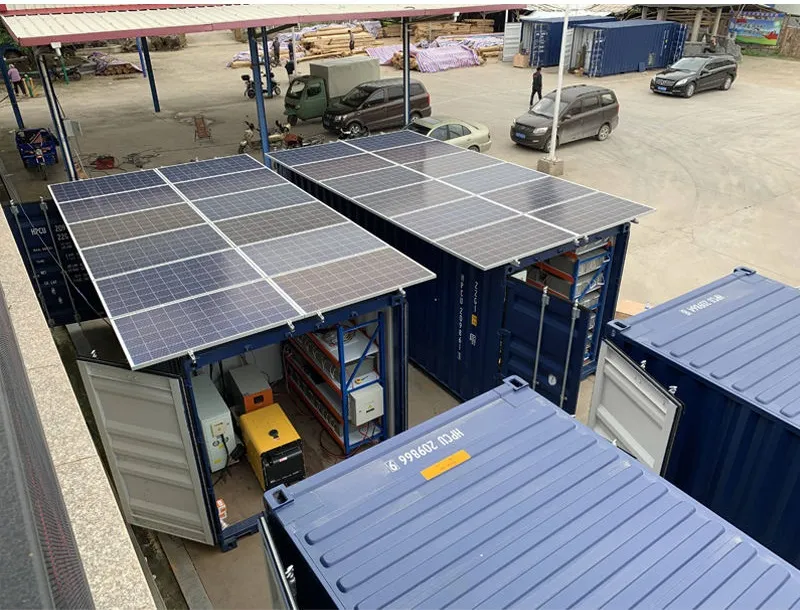
The solar industry is in the midst of a pricing revolution that's reshaping renewable energy economics. As we navigate through 2024 heading toward 2025, solar panel prices aren't just dropping—they're falling off a cliff. The big question everyone's asking: How low can they actually go? And what does it mean for your rooftop, your wallet, and our planet?
This seismic shift isn't happening in a vacuum. It's the result of massive factory expansions, brutal cost-cutting battles between manufacturers, and policy chess games that make global trade look like a high-stakes poker tournament. Let's unpack what's really driving this price plunge and why analysts are whispering about the most aggressive energy transformation since the first light bulb switched on.
Right now, solar panels are cheaper than they've ever been in history—and they're still falling. We're not talking small dips either. The latest data shows high-efficiency modules selling for as low as €0.13/Wp ($0.14/W) in European markets. That's nearly half what they cost just 12 months ago.
| Module Type | Average Price (€/Wp) | Trend Since Jan 2024 | Market Position |
|---|---|---|---|
| High Efficiency (22%+) | 0.13 | ⭣ 45.7% | Premium segment, bankable projects |
| Full Black Modules | 0.13 | ⭣ 40.9% | Aesthetic-focused residential |
| Mainstream (up to 22%) | 0.11 | ⭣ 25.0% | Commercial & utility scale |
| Low Cost/Secondary | 0.07 | ⭣ 27.8% | Discount market, limited warranties |
The bargain-basement segment under €0.10/W is where things get really interesting—and slightly alarming for manufacturers. Prices here have crashed so hard that producers are literally losing money on every panel shipped. It's unsustainable, wild west stuff where companies are just trying to survive until the next quarterly report.
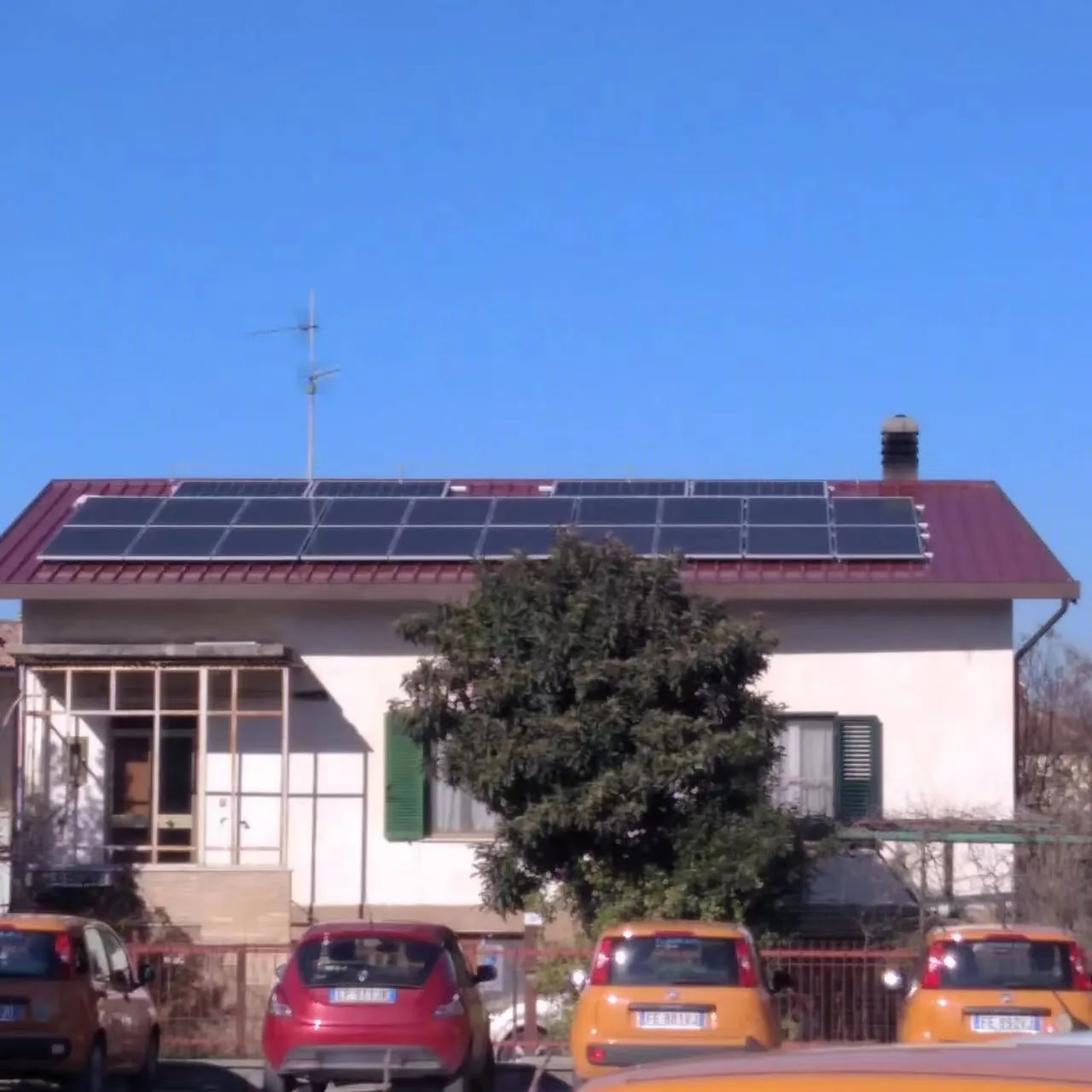
Picture this: Chinese factories alone have cranked up production enough to cover three times global demand. That's not a surplus—it's a solar panel avalanche. And it's burying manufacturers worldwide. As one industry veteran put it: "They're producing like there's no tomorrow when actually, tomorrow might not need that many panels."
This overproduction has created warehouse gluts that would make Costco blush. Distributors are sitting on piles of panels they bought just months ago that are now worth 30% less. The financial bleeding is real—the industry has seen a wave of bankruptcies and distressed sales as smaller players get squeezed out.
Solar's moving at tech speed, not energy speed. TOPCon and heterojunction cells are rolling off lines with efficiencies that would've been lab-curiosities just two years ago. Each generation leap makes last year's "cutting-edge" panels look like yesterday's news—and price cuts follow hard on their heels.
Manufacturing innovations are squeezing costs too. Thinner wafers, cheaper silver alternatives, and simpler production steps mean dollars shaved off each panel. When you're shipping by the megawatt, those micro-savings add up fast.
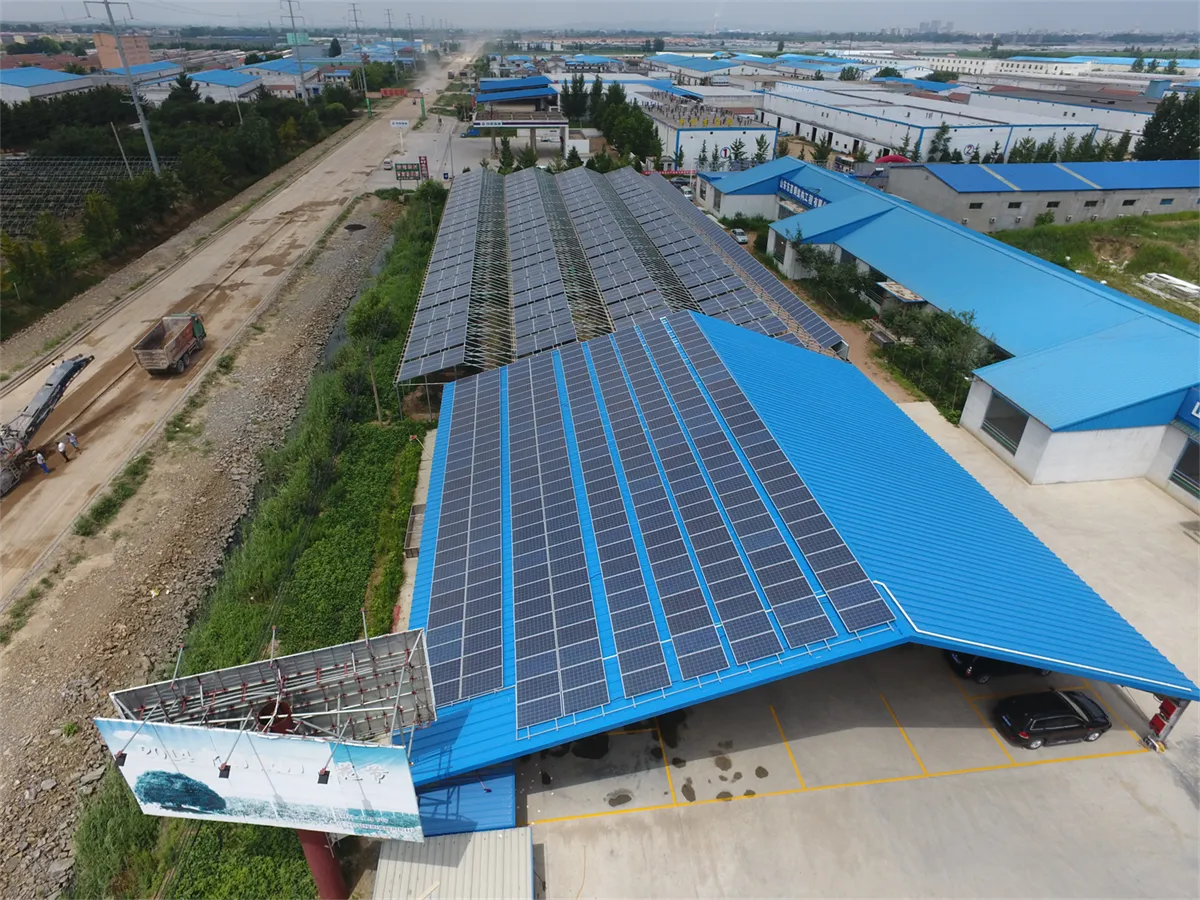
Brace yourself: $0.10/W panels aren't coming—they're already here in selective deals and are projected to become widespread by late 2024. That magic number changes everything. At this threshold, solar crosses from "alternative energy" to "obvious choice," especially in commercial applications where sophisticated architectural façade solutions increasingly integrate PV elements seamlessly.
Analysts predict the freefall will slow in early 2025 though. Why? Simple math—there's only so much blood manufacturers can lose before they either collapse or stop the discount madness. January 2025 data already shows stabilization at these historic lows.
Don't expect straight-line declines forever. Three seismic shifts could reverse the tide:
1. The China tax reset: Beijing slashed export tax rebates from 13% to 9% in December 2024—a 4% cost bump for manufacturers eating into razor-thin margins.
2. The capacity crunch: Oddly amid oversupply, premium high-wattage panels are becoming scarce as producers focus on quantity over quality. For large projects needing specific specs, this could mean paying up.
3. The inventory purge: Manufacturers' year-end clearance sales created artificial price lows. Once warehouses empty, we could see a modest rebound.
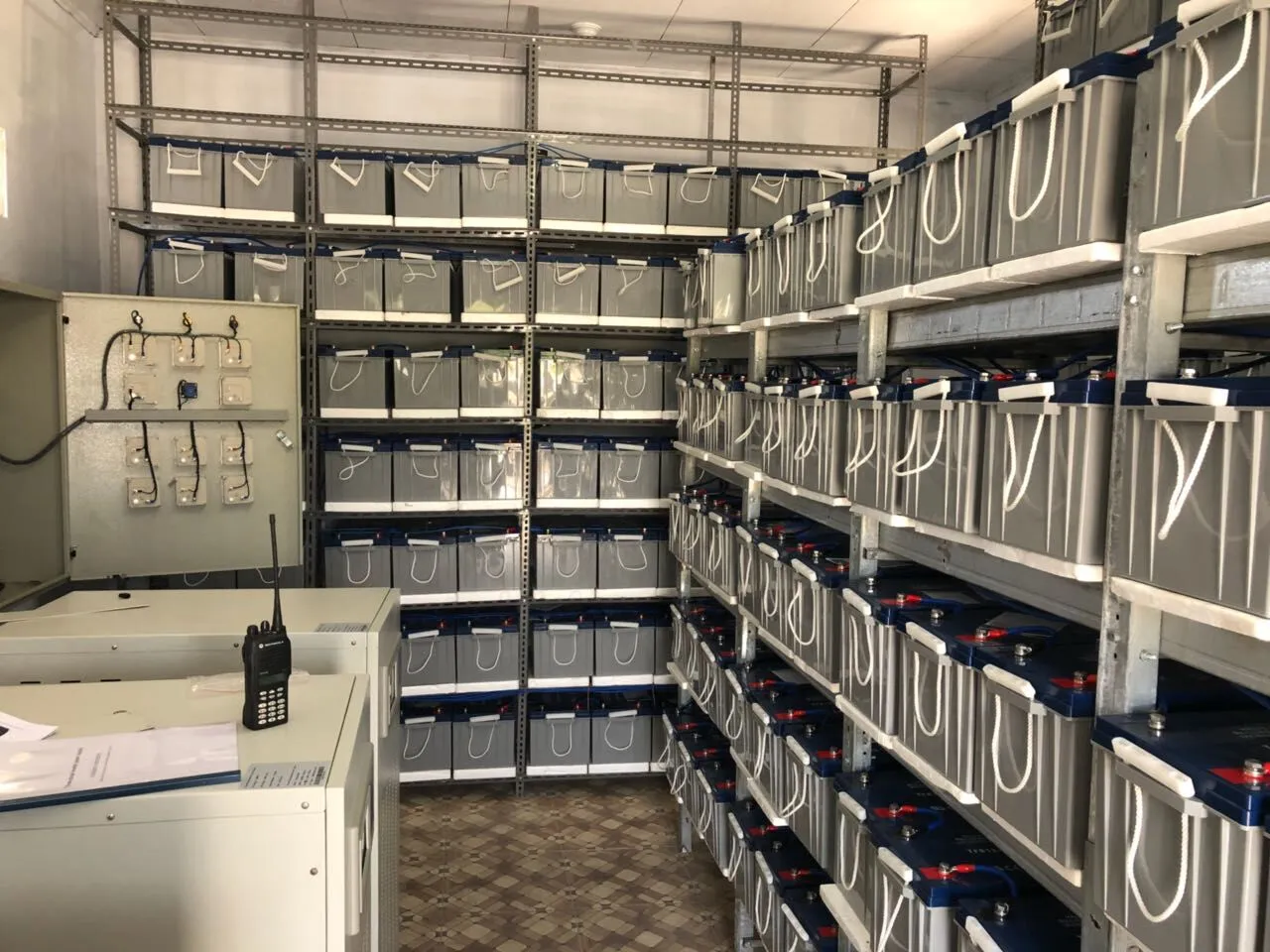
This pricing revolution isn't just about cheaper electricity—it rewrites the energy playbook:
• Fossil fuels' final advantage erodes: When unsubsidized solar beats coal on pure economics, the climate math becomes undeniable. We're there.
• Storage becomes the bottleneck: At these panel prices, batteries become the limiting factor for 24/7 renewable power.
• The manufacturing shakeout continues: Expect more names to disappear or consolidate. Survival means slimming down or developing specialty niches.
• Real estate transforms: Every roof becomes an opportunity. Developers now view buildings as power plants with attached workspace—changing commercial real estate forever.
For homeowners and businesses, timing becomes critical. With prices possibly bottoming in 2024, the perfect moment might be:
Residential buyers: Jump on full-black panels now—their premiums have evaporated, making aesthetics nearly free.
Commercial projects: Lock bulk orders before the inventory purge ends. Q3-Q4 2024 offers unprecedented value.
Utilities: Push aggressive timelines—every month delayed costs potential savings.
A word of caution though: When prices seem too good to be true, vet suppliers carefully. With so many distressed sellers, warranty coverage matters more than ever. That bargain panel isn't a steal if the company vanishes next quarter.
The solar price rollercoaster of 2024-2025 marks a fundamental transition point. We're no longer debating if solar will dominate—we're negotiating the terms of its victory. With every percentage point drop, the energy transition accelerates. What matters now isn't just watching prices fall, but preparing for the renewable-powered world these prices are creating.
Recommend Products












