
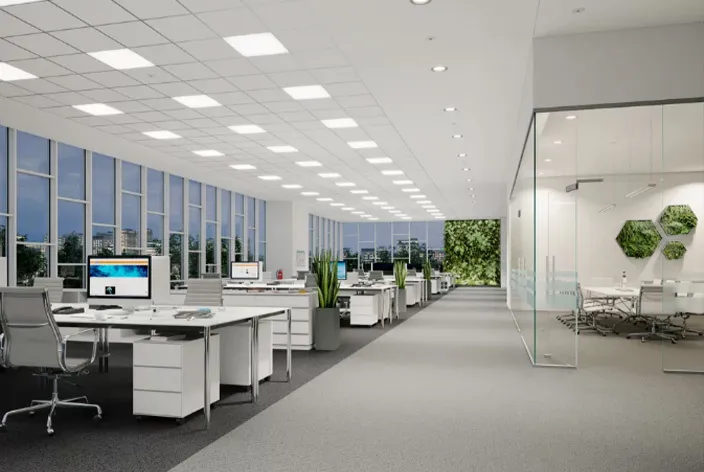
Hey there, folks! Let's dive into a topic that's lighting up the business world—literally. We're talking about office lighting, and specifically, how much it's gonna cost us in 2024 and 2025. Now, I know it might sound a bit dry at first, but trust me, this stuff matters. Whether you're kitting out a small startup or revamping a corporate HQ, the price of lights can make or break your budget. And with the economy shifting all the time, getting a handle on what's coming is key to smart spending. So, grab a coffee, sit back, and let's chat about why prices might swing, what to look out for, and how you can make savvy decisions without burning a hole in your wallet.
First off, why should we even care about this? Well, office lighting isn't just about seeing your keyboard—it affects everything from productivity and mood to energy bills and carbon footprints. We've seen huge leaps in tech, like the rise of LED lights, but costs have been dancing around. Stuff like supply chain hiccups, material shortages, and new regs are always playing tug-of-war with prices. In this piece, I'll break down the key drivers and share my take on where things are headed. I'll lean into real-world examples and even whip up a table to give you a clear picture. By the end, you'll have a solid game plan for your own projects.
Alright, let's start with a bit of history. Remember those old fluorescent bulbs that buzzed and left everyone looking washed out? Yeah, those were cheap but kinda awful. Over the past decade, though, things have transformed big time. LEDs stormed the scene, offering better light quality and lower energy use. That shift has made commercial lighting the go-to for modern offices. Think about it: LEDs last longer, use less power, and can even be tuned to different colors for better focus. But here's the rub—their adoption hasn't been all smooth sailing.
One huge change has been the focus on architectural lighting solutions. It's not just about swapping bulbs anymore; it's about designing whole systems that blend with the workspace. For instance, open-plan offices use layered lighting—ambient for general areas, task lights for desks, and accent features for aesthetics. This approach means investing in smart lighting fixtures that can be controlled remotely or even via apps. But all this innovation comes with costs that have fluctuated wildly. Take the pandemic era: supply crunches drove prices up, but now, with markets stabilizing, we're seeing more balance.
Quick fact: Did you know that LEDs can cut energy use by up to 80% compared to old bulbs? That savings is a game-changer for businesses, especially with energy prices on the rise. So, while the upfront cost might pinch, the long-term perks make it worth every penny.
Now, let's talk materials. Lighting fixtures aren't just tech; they rely on metals, plastics, and electronics. When raw material prices jump (say, due to global events), it ripples through the whole industry. And let's not forget energy efficient appliances—they're pushing lighting toward greener, smarter options. In recent years, we've seen a surge in demand from eco-conscious companies, which has nudged manufacturers to innovate but also bumped costs. Looking ahead, as supply chains settle, we might see prices stabilize or even dip a bit for standard setups.
So, what's gonna move the needle this year and next? A bunch of things, really. First up, let's chat tech advancements. LEDs are still evolving—think smarter, more connected systems. With AI and IoT making waves, lighting is getting fancier, with features like motion sensors and mood adjustments. But better tech often means higher costs initially. As mass production ramps up, though, prices should ease. Another biggie is demand. With remote work still popular, offices are getting redesigned for flexibility, driving up need for adaptable lighting fixtures. More demand can lift prices short-term, but competition among suppliers will likely cool that down.
Then there's the supply side. Remember the global chip shortage? It hit everything from cars to lights, and while it's easing, we're not out of the woods. Components for LED lights—like microcontrollers—still face bottlenecks. Plus, with a push for sustainability, raw materials are getting pricier. Aluminum for frames and copper for wires saw hikes, but forecasts suggest a moderation by late 2024. Energy efficiency plays a role, too. Governments worldwide are tightening regs, requiring appliances to meet stricter standards. That means lighting products need more testing and better materials, adding to costs. But hey, investing in efficient gear can slash your bills later.
Here's a rundown of the top influencers:
To give you a clearer view, I've put together a table showing average price predictions based on different setups. This is based on industry reports and my chats with insiders. Keep in mind, prices vary a lot by region and supplier, but this gives a ballpark for planning your budget. I'll be referencing specific categories like commercial lighting and lighting fixtures throughout to keep it grounded.
| Lighting Type | 2024 Avg. Cost Estimate | 2025 Avg. Cost Estimate | Key Drivers |
|---|---|---|---|
| Basic LED Panels | $40 - $60 per unit | $35 - $55 per unit | Increased production and better economies of scale as demand grows. |
| Smart Architectural Solutions | $150 - $300 per system | $140 - $280 per system | Tech advancements making controls more affordable; energy efficient appliances regs add minor costs. |
| Premium Lighting Fixtures | $80 - $200 per fixture | $75 - $180 per fixture | Material price moderation; competition in the market drives slight declines. |
| Integrated LED Systems | $100 - $250 per area | $90 - $230 per area | Scaled manufacturing reduces per-unit costs; efficiency incentives offset hikes. |
Now, here's something folks often overlook: prices don't dance to the same tune everywhere. Location plays a huge role, folks. Take major players like China, where most lighting gear is made. Chinese manufacturers have ramped up output, pushing down costs globally. But logistics like shipping can add fees, especially to places like Saudi Arabia where imports are common. In hotter regions, energy efficient appliances are in high demand to combat AC costs, so lighting that cuts power use can fetch a premium. Let me walk you through some examples.
In the US and Europe, regulations are strict—think energy star ratings and recycling rules. That can bump prices by 10-15% for top-tier lighting fixtures. But in emerging markets like Saudi Arabia, demand is soaring for modern offices, which means more business for architectural lighting solutions. Yet, local taxes and tariffs can inflate costs. On the flip side, places with strong renewable incentives (like subsidies for solar panels integration) might offer tax breaks on efficient lighting, softening the hit. All in all, regional factors mean you should tailor your approach—shop local suppliers to avoid extra fees.
Pro tip: When budgeting, consider shipping and installation. Those hidden costs can add 10-20% to your total. Opt for modular systems that are easy to set up, and chat with distributors about bulk deals—it's a common way to shave off dollars without skimping on quality.
Okay, so prices are a bit of a rollercoaster—what's the best way to ride it? I've got some down-to-earth advice. Start with planning ahead. If you know rates might dip in late 2024, maybe delay big purchases 'til then. Focus on energy efficient appliances; they cost more up front, but the savings on electricity can be massive over time. For instance, choosing LED lights over halogens can pay back your investment in 2-3 years through lower bills and longer lifespans. Plus, with more companies going green, there are rebates and tax credits up for grabs.
Another smart move is mix-and-match. You don't need top-tier lighting fixtures for every spot—use premium stuff in high-traffic areas and simpler options elsewhere. That way, you get the most bang for your buck. And hey, partnerships help. Working with suppliers early on for architectural lighting solutions can lock in better rates. Many offer customization or bulk discounts, especially if you're fitting out a whole floor. Bottom line: prioritize value over cost. Sometimes a small premium means less hassle and more durability.
Let's wrap this up with a quick summary:
Looking at the horizon, I'm cautiously optimistic about 2024-25 prices. We'll see dips in standard LED products due to mass production, balanced by slight rises in cutting-edge systems. With economic recovery in full swing, competition among lighting manufacturers will heat up, putting downward pressure on costs. But keep an eye on global trends—say, if energy prices soar or environmental regs tighten, prices could spike temporarily. My bet? Overall, office lighting should become more affordable over the next two years, making upgrades accessible even for smaller businesses.
To thrive in this shift, focus on resilience. Choose products from reliable suppliers that offer warranties or service plans. Emphasize energy savings in your budget calculations—it's a no-brainer with rising power costs. And stay flexible. Markets move fast, so revisit your plans regularly. Ultimately, by understanding these dynamics, you're not just buying lights; you're investing in a brighter, more efficient workplace that pays dividends well beyond 2025. So go ahead, make those smart moves—your wallet and workforce will thank you!
Recommend Products












