

Walls are more than just dividers—they're the canvas on which we build our spaces. Whether you're designing a cozy residential living room, a sleek commercial lobby, or a durable exterior facade, the materials you choose for your walls shape both aesthetics and functionality. In recent years, PU stone wall panels have emerged as a game-changer, blending the timeless beauty of natural stone with the practicality of modern engineering. But the true magic of these panels lies not just in their design, but in the supplier behind them. A reliable PU stone wall panel supplier doesn't just sell products—they deliver peace of mind, expertise, and solutions that turn vision into reality. Let's dive into what you should expect when partnering with a top-tier supplier in this space.
At the heart of any reputable PU stone wall panel supplier is a commitment to quality. PU (polyurethane) stone wall panels are engineered to mimic the texture, color, and depth of natural stone—think granite, limestone, or travertine—without the heavy weight, high cost, or maintenance headaches. But not all panels are created equal. A reliable supplier will prioritize materials and manufacturing processes that ensure consistency, durability, and realism.
Start by examining the raw materials. High-quality PU panels are made with premium polyurethane resins, reinforced with fiberglass or other strengthening materials to resist impact, warping, and weathering. They should feel sturdy yet lightweight—typically 70-80% lighter than natural stone, making installation easier and reducing structural load on buildings. Run your hand over a sample: the texture should be (detailed), with realistic veining, pits, and color variations that mirror natural stone. Avoid panels with a "plastic-y" sheen or uniform patterns; these are red flags for cut corners.
Durability is another non-negotiable. A trustworthy supplier will provide panels tested for resistance to UV rays (to prevent fading), moisture (critical for bathrooms or exteriors), and temperature fluctuations (ideal for regions with harsh climates, like Saudi Arabia's hot summers). Ask for test reports: reputable suppliers will readily share data on impact resistance (ASTM D4226), water absorption (ASTM C97), and fire performance (like Class A fire ratings, essential for commercial spaces such as hospitals or schools).
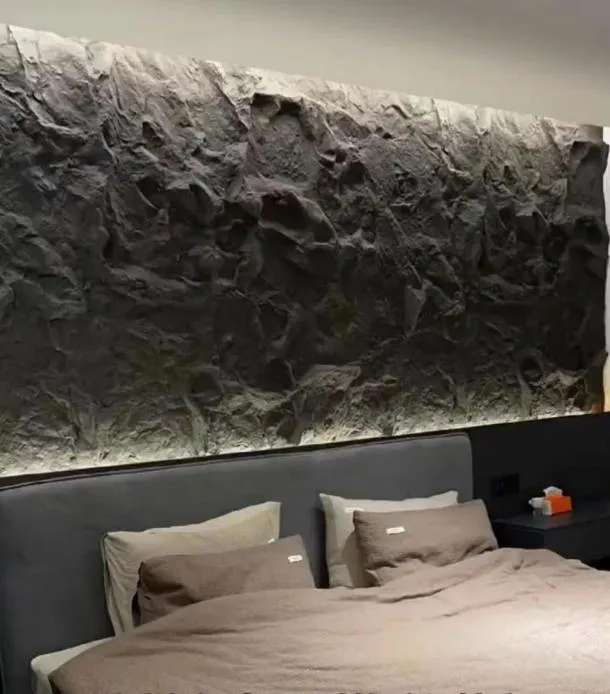
No two projects are the same—and a great PU stone wall panel supplier understands this. Whether you're a residential building materials supplier working on a boutique home renovation or a commercial building materials supplier managing a high-rise hotel, you need panels that align with your unique design vision and technical requirements. Look for suppliers that offer customization options beyond standard sizes and colors.
Homeowners crave spaces that reflect their personality, and walls are a key part of that. A residential-focused PU stone wall panel supplier might offer smaller panel sizes (e.g., 24x48 inches) for easier handling in tight spaces, as well as a spectrum of colors—from warm terracottas for a rustic cottage vibe to cool grays for a minimalist apartment. Textures can also be tailored: imagine a rough-hewn "mountain rock" finish for a fireplace accent wall or a smooth "river stone" look for a spa-inspired bathroom. Some suppliers even allow custom color matching, so you can coordinate panels with existing flooring, cabinetry, or decor.
Commercial projects demand durability, uniformity, and compliance. A commercial building materials supplier will need larger panel sizes (e.g., 48x96 inches) to cover expansive lobbies or exterior facades efficiently, reducing installation time and labor costs. Fire safety is often a priority here: suppliers should offer panels treated with fire-retardant additives to meet Class A or B fire ratings, critical for spaces like offices, hospitals, or shopping malls. For high-traffic areas (think hotel hallways or restaurant exteriors), look for scratch-resistant coatings or anti-graffiti finishes—small touches that extend the panel's lifespan and keep spaces looking fresh.
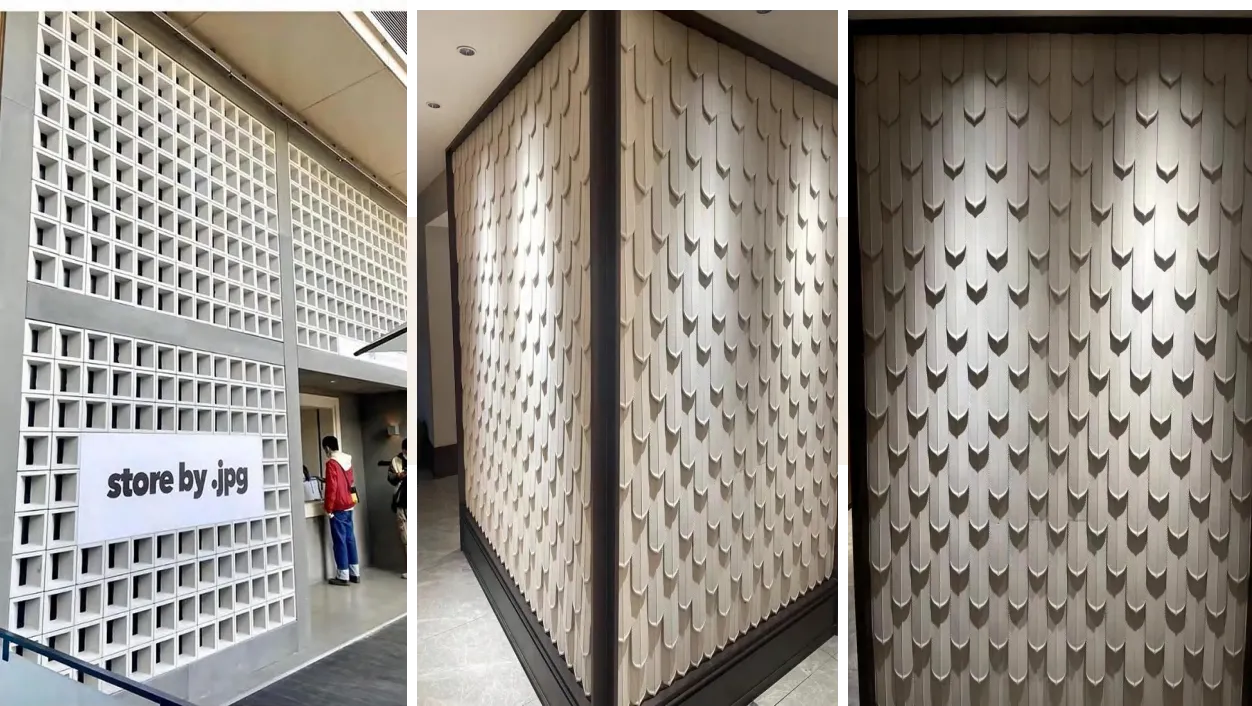
Installing PU stone wall panels isn't rocket science, but it does require know-how. A reliable supplier won't just drop off boxes of panels and disappear—they'll act as a partner, offering technical support to ensure your project runs smoothly. This expertise starts long before installation and continues long after.
Pre-installation support is key. Suppliers should provide detailed installation guides, complete with step-by-step instructions, recommended tools (e.g., adhesive types, cutting equipment), and best practices for surface preparation (ensuring walls are clean, flat, and dry). For complex projects—like curved walls or exterior cladding—look for suppliers that offer on-site consultations. Their technical team can assess the space, address challenges (e.g., moisture barriers for basements), and even create 3D renderings to help visualize the final result.
CAD and BIM compatibility is another sign of a forward-thinking supplier. Many architects and contractors use Building Information Modeling (BIM) software to plan projects; suppliers that provide BIM models or CAD drawings of their panels make it easier to integrate them into digital workflows, reducing errors and streamlining approvals.
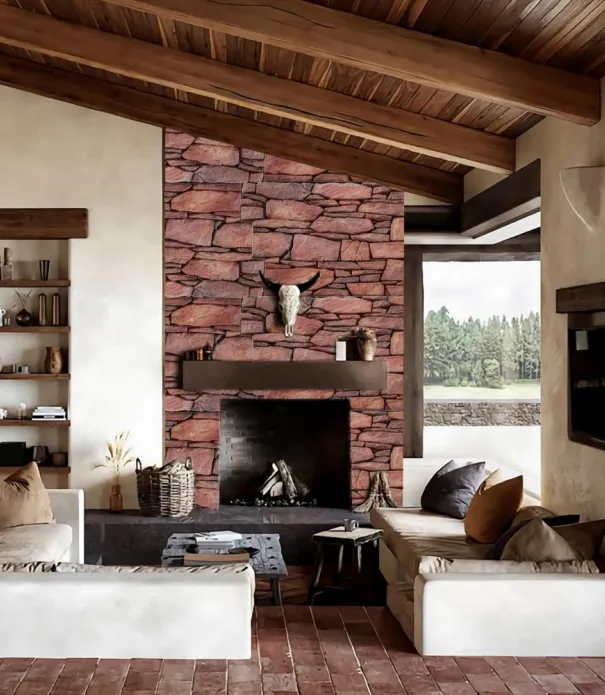
In the building materials industry, compliance isn't optional—it's essential. A reputable PU stone wall panel supplier will prioritize certifications that validate their panels' safety, sustainability, and performance. This is especially critical for commercial projects, where non-compliance can lead to project delays, fines, or even safety hazards.
Start with fire safety certifications. As mentioned earlier, Class A fire ratings (ASTM E84) are a must for commercial spaces like schools, hospitals, or high-rises, where fire spread must be minimized. For residential projects, Class B or C ratings may suffice, but always confirm local building codes (e.g., Saudi Arabia's SASO standards or international norms like CE marking). Suppliers should also comply with low-VOC (volatile organic compound) standards, ensuring panels don't off-gas harmful chemicals—a key consideration for indoor spaces like bedrooms or offices.
Environmental certifications are increasingly important, too. Look for suppliers with ISO 14001 certification (for environmental management systems) or panels made with recycled materials. Some suppliers even offer panels that contribute to LEED points, appealing to eco-conscious clients aiming for sustainable building certifications.
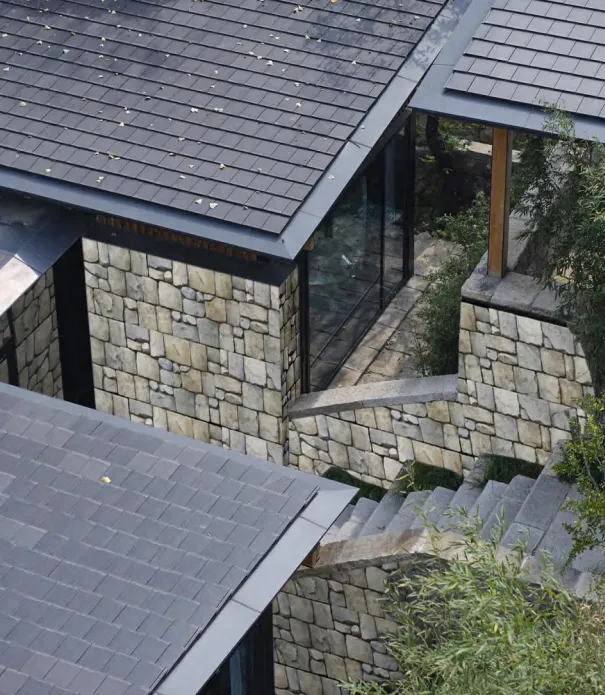
A transaction doesn't end when the panels are delivered—that's where the real partnership begins. A reliable PU stone wall panel supplier stands behind their products with robust after-sales service, ensuring you're supported if issues arise.
Warranty coverage is a good starting point. Most top suppliers offer 10-15 year warranties on their panels, covering defects in materials or workmanship. But read the fine print: does the warranty include fading, cracking, or peeling? What about labor costs for replacements? A transparent supplier will clearly outline coverage and exclusions, no hidden clauses.
Responsive customer service is equally important. Imagine a scenario: mid-installation, you notice a batch of panels has a color mismatch. A great supplier will respond within 24-48 hours, send replacement panels expedited, and even coordinate with your team to minimize delays. Avoid suppliers with automated phone systems or unresponsive emails—you need a human touch when time is critical.

The best PU stone wall panel suppliers don't operate in a vacuum—they're part of a larger ecosystem of building materials. Many top suppliers position themselves as one-stop architectural solution providers, offering not just PU panels, but a range of complementary products like flooring, ceiling solutions, or even custom furniture. This integrated approach saves you time, money, and coordination headaches.
For example, if you're designing a restaurant, a one-stop supplier might offer PU stone wall panels for the exterior, matching terrazzo tiles for the flooring, and decorative profiles for the bar area—all with coordinated colors and finishes. For a hotel project, they could pair PU stone cladding with WPC wall panels for guest rooms, ensuring consistency across spaces. This "one-stop" model eliminates the need to juggle multiple vendors, reducing shipping delays, communication gaps, and quality inconsistencies.
Consider a property developer in Riyadh building a mixed-use complex with residential apartments, offices, and retail spaces. By partnering with a one-stop architectural solution provider, they source PU stone panels for the exterior facade, bamboo charcoal board wall panels for residential interiors (for their moisture-resistant and odor-absorbing properties), and Class A fireproof CPL inorganic boards for the office lobby. The supplier coordinates delivery schedules, ensures all materials meet Saudi Arabia's strict building codes, and provides a single point of contact for questions. The result? The project stays on time, under budget, and the developer avoids the stress of managing 5+ separate vendors.
| Feature | PU Stone Wall Panels | Natural Stone | WPC Wall Panels | MCM Flexible Cladding |
|---|---|---|---|---|
| Weight | Lightweight (70-80% lighter than natural stone) | Heavy (requires structural support) | Moderate weight | Lightweight |
| Installation | Easy (adhesive or mechanical fixing; DIY-friendly) | Complex (requires skilled masons; heavy equipment) | Moderate (needs basic tools) | Moderate (flexible but requires precise cutting) |
| Design Flexibility | High (custom colors, textures, sizes) | Limited (natural variations; hard to customize) | Moderate (wood grain focus) | High (can mimic stone/wood) |
| Durability | Excellent (UV, moisture, impact resistant) | Excellent (but prone to chipping/cracking) | Good (moisture-resistant but less impact-resistant) | Good (weather-resistant but less rigid) |
| Cost | Mid-range (affordable than natural stone, higher than WPC) | High (material + installation costs) | Budget-friendly | Mid-to-high range |
As the table shows, PU stone wall panels strike a balance between aesthetics, functionality, and cost—but their success hinges on the supplier. A great supplier will not only provide high-quality panels but also guide you on why PU is the best fit for your project, compared to alternatives like WPC or MCM cladding.
Choosing a PU stone wall panel supplier is about more than comparing prices or browsing catalogs. It's about finding a partner who understands your goals, shares your commitment to quality, and has the expertise to navigate challenges alongside you. From uncompromising product quality and tailored customization to technical support and one-stop solutions, the right supplier turns "good enough" into "exceptional."
So, whether you're a homeowner dreaming of a stone accent wall, a contractor managing a commercial build, or an architect designing the next iconic facade, take the time to vet your supplier. Ask tough questions, request samples, and check references. The difference between a mediocre project and a masterpiece often lies in the hands of the team behind the materials. And when it comes to PU stone wall panels, that team should be nothing short of reliable, knowledgeable, and dedicated to your success.
Recommend Products











