
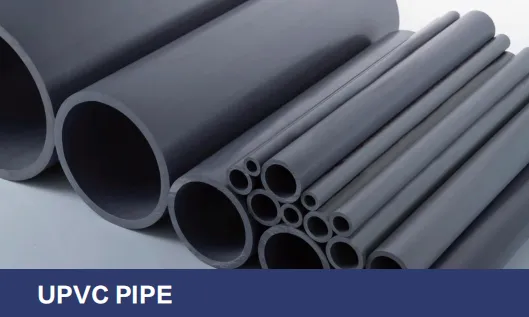
In the world of construction and infrastructure, every decision—from the foundation to the finishing touches—carries weight. When it comes to building materials, especially something as critical as piping systems, the choice of supplier can make or break a project's success. And at the heart of that decision lies a often-overlooked tool: the supplier's catalog. A professional UPVC pipe supplier's catalog isn't just a list of products; it's a roadmap, a trust-builder, and a window into the supplier's expertise. Whether you're a contractor planning a residential complex, an engineer designing a commercial building, or a facility manager upgrading a hospital's plumbing, knowing what to look for in a catalog can save you time, money, and headaches down the line. Let's dive into the key elements that set a top-tier catalog apart, and why they matter for your next project.
First things first: a professional catalog should feel like a one-stop shop for your piping needs. It shouldn't limit itself to a single type of pipe but instead showcase a diverse range of solutions tailored to different applications. For example, a reputable upvc pipe supplier won't just list "UPVC pipes"—they'll break down the category into sub-types, each designed for specific roles. You might find UPVC pressure pipes for water supply, UPVC electrical conduits for wiring protection, or UPVC casing pipes for well construction (think "pvc well casing and screen pipes supplier" solutions). This breadth is crucial because no two projects are the same. A high-rise apartment building, for instance, requires different piping than a rural irrigation system or a school's drainage network.
But it's not just about UPVC. The best catalogs also include complementary products that round out the offering. You might see sections on PVC DWV (Drain, Waste, Vent) pipes—essential for removing wastewater from homes and offices—with clear labels like "pvc dwv pipe supplier" and "pvc dwv pipe solutions." Then there are PPR (Polypropylene Random Copolymer) pipes, ideal for hot and cold water systems in residential and commercial settings, listed under "ppr pipe and fitting supplier" solutions. Even specialized options, such as PEX (Cross-Linked Polyethylene) pipes for radiant heating or flexible piping in tight spaces, might make an appearance. This variety tells you the supplier understands the complexity of modern construction and can adapt to your project's unique demands.
Why does this matter? Imagine you're managing a renovation for a hotel. You need UPVC pipes for the main water line, PVC DWV pipes for the bathrooms, and PPR pipes for the kitchen's hot water system. Instead of juggling multiple suppliers (and multiple catalogs), a single supplier with a comprehensive range lets you streamline your orders, simplify logistics, and ensure consistency in quality across all systems. That's the power of a catalog that covers the full spectrum.
A pretty catalog with glossy photos is nice, but if it skimps on technical details, it's little more than a brochure. Professional suppliers know that contractors, engineers, and architects need hard data to make informed choices. That's why their catalogs are packed with precise specifications that leave no room for ambiguity. For every product—whether it's a 2-inch UPVC pipe or a PPR elbow fitting—you should find clear, easy-to-read details like:
Take, for example, a UPVC pipe listed as "PN10, DIN Standard." This tells you it's designed to handle 10 bar of pressure and adheres to German engineering standards, which are known for their rigor. For a project in a high-pressure water distribution system, that detail is non-negotiable. Without it, you might accidentally install a pipe that's underrated, leading to leaks, bursts, or even system failure. A catalog that prioritizes technical transparency shows the supplier respects your expertise—and your project's integrity.
Great catalogs don't just describe products—they explain why you'd choose one over another. They bridge the gap between technical specs and real-world use by linking products to specific applications. For instance, a section on "upvc pipe solutions" might include subheadings like "Residential Water Supply," "Industrial Chemical Transport," or "Agricultural Irrigation," each explaining how UPVC's corrosion resistance, smooth interior (for low friction loss), or cost-effectiveness makes it the right fit. Similarly, "pvc dwv pipe solutions" would focus on drainage systems, highlighting features like large diameters, leak-proof joints, and resistance to clogs from hair, soap scum, or food waste.
This application focus is especially valuable for complex projects. Let's say you're building a hospital. You need piping that's not only durable but also hygienic and easy to clean. A catalog from a "class a fireproof cpl inorganic board for hospital and school supplier" might not be directly related to pipes, but a pipe supplier's catalog could still reference healthcare-specific needs—like UPVC pipes with antimicrobial additives or smooth surfaces that prevent bacterial growth. For schools, maybe they'd highlight PVC DWV pipes with sound-dampening properties to reduce noise in classrooms. By connecting products to outcomes, the catalog becomes a problem-solving tool, helping you match the right pipe to the right job.
Some catalogs even include case studies or project examples. You might read about how a particular UPVC pipe solution was used in a 500-unit housing development, or how a PPR pipe and fitting supplier helped a hotel reduce water waste with leak-resistant connections. These stories add credibility, showing the supplier has a track record of delivering results in real-world scenarios.
In construction, "good enough" is never good enough—especially when lives and investments are on the line. A professional catalog should reassure you that every product meets or exceeds industry quality standards. This means more than just a passing mention of "high quality"; it should provide tangible proof. Look for sections on quality control processes: Does the supplier test raw materials before production? Do they conduct pressure tests, impact tests, or chemical resistance tests on finished products? Are there certifications from third-party organizations like SGS, CE, or NSF (for drinking water applications)?
For example, a "ppr pipe and fitting supplier" might highlight that their PPR pipes are certified by NSF/ANSI 61, meaning they're safe for use with potable water. A "pex pipe and fitting supplier" could note compliance with ASTM F876, ensuring the pipes can handle the temperature and pressure fluctuations of hot water systems. These certifications aren't optional—they're legally required in many regions, and a catalog that prominently displays them shows the supplier takes compliance seriously.
Quality also extends to sustainability. Today's projects often prioritize eco-friendly materials, so a forward-thinking catalog might mention recycled content, recyclability, or low carbon emissions during production. For instance, UPVC pipes are known for their long lifespan (50+ years), reducing the need for frequent replacements and lowering environmental impact. A catalog that highlights this isn't just marketing—it's a nod to the growing importance of green building practices.
No two construction sites are identical. Maybe your project requires extra-long pipes to minimize joints, or custom-colored pipes to match a building's aesthetic, or special fittings to connect to existing infrastructure. A professional supplier's catalog should acknowledge this by offering customization options—and making them easy to find. Look for phrases like "Custom Lengths Available," "Bespoke Fittings," or "Color Matching Services" in sections like "upvc pipe solutions" or "ppr pipe and fitting solutions."
For example, a "pvc transparent pipe fittings supplier" might offer clear UPVC pipes for applications where visibility is key, like laboratory experiments or fish tank filtration systems. A "pvc electrical pipe fittings(asnzs2053) supplier" could provide conduits in custom diameters to fit specific wiring bundles. Even small touches, like branded markings (e.g., your company logo on pipes for easy inventory tracking), can set a supplier apart. The catalog should outline how to request these customizations—whether through an online form, a dedicated sales rep, or a simple note in the order—and what lead times to expect. This flexibility shows the supplier values your project's uniqueness and is willing to go the extra mile to meet your needs.
The best catalogs don't end with product descriptions—they invite you to connect. They include resources that extend beyond the page, like links to installation guides, technical datasheets, or FAQ sections. Some might even feature QR codes that lead to video tutorials on how to properly join UPVC pipes or troubleshoot common issues. For example, a "pex pipe and fitting supplier" could offer a step-by-step guide on crimping PEX connections, ensuring installers get it right the first time.
Contact information should be easy to find, too—not just a generic email address, but dedicated lines for sales, technical support, and after-sales service. A supplier who provides a phone number for a technical expert or a live chat option in their catalog is telling you: "We're here to help, even after you buy." This level of support is invaluable, especially for large or complex projects where questions arise mid-installation. A catalog that positions the supplier as a partner, not just a vendor, builds long-term trust.
Let's be honest: no one has time to sift through a disorganized, cluttered catalog. A professional supplier understands this, so they invest in a layout that's intuitive and visually appealing. Look for clear section headers, consistent formatting, and high-quality images or diagrams. Product photos should show the pipe from multiple angles—close-ups of joints, cross-sections to highlight wall thickness, or installed shots to demonstrate scale. Diagrams might illustrate how a pipe fits with its fittings, or how different pipe types work together in a system.
Tables are another hallmark of a well-organized catalog. They summarize key information at a glance, making it easy to compare products. For example, a table comparing UPVC, PVC DWV, and PPR pipes might look like this:
| Product Type | Key Applications | Material Advantages | Compliance Standards | Supplier Reference |
|---|---|---|---|---|
| UPVC Pressure Pipe | Residential/commercial water supply, irrigation | Corrosion-resistant, low friction loss, cost-effective | DIN PN10, ASTM D1785 | upvc pipe supplier, upvc pipe solutions |
| PVC DWV Pipe | Drainage, waste, vent systems in homes/offices | Leak-proof joints, large diameter options, clog-resistant | ASTM D2665, CSA B181.2 | pvc dwv pipe supplier, pvc dwv pipe solutions |
| PPR Pipe & Fittings | Hot/cold water systems, radiant heating | Heat-resistant (up to 95°C), flexible, easy to install | ISO 15874, DIN 8077/8078 | ppr pipe and fitting supplier, ppr pipe and fitting solutions |
| PVC Well Casing Pipe | Water well construction, groundwater extraction | UV-resistant, durable in soil/rock environments | ASTM D1784, AWWA C900 | pvc well casing and screen pipes supplier, pvc well casing and screen pipes solutions |
A table like this turns pages of text into a quick-reference tool, helping you narrow down options without endless scrolling. It also shows the supplier respects your time—a small detail that speaks volumes about their customer focus.
At the end of the day, a professional UPVC pipe supplier's catalog is more than a marketing piece—it's a reflection of the supplier's values. It tells you whether they prioritize quality, transparency, and customer support, or if they're just looking to make a quick sale. By focusing on comprehensive product ranges, detailed technical specs, application insights, quality certifications, customization options, and user-friendly design, you can separate the leaders from the laggards.
So the next time you flip through a catalog (or scroll through a digital one), ask yourself: Does this document answer my questions before I even ask them? Does it make me feel confident that the supplier understands my project's needs? Does it inspire trust that the products will perform as promised? If the answer is yes, you've found more than a supplier—you've found a partner. And in construction, that partnership is the foundation of every successful project.
Recommend Products












