
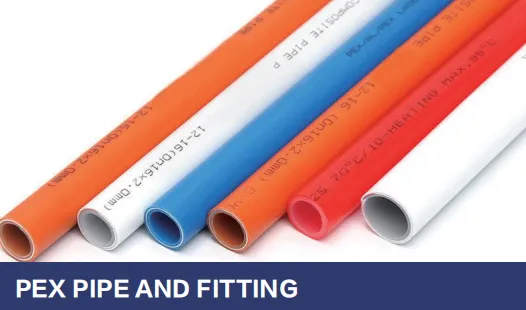
Choosing a PEX pipe and fitting supplier isn't just about comparing prices—it's about partnering with a team that understands your project's unique needs, prioritizes quality, and stands behind their products long after delivery. Whether you're working on a residential renovation, a commercial high-rise, or a large-scale industrial project, the right supplier can make the difference between smooth installations, on-time completions, and costly delays or safety risks. But with so many options in the market, how do you separate the reliable partners from the rest? The answer lies in asking the right questions upfront. In this guide, we'll walk you through the critical inquiries that will help you evaluate potential suppliers, protect your project, and ensure you're investing in PEX pipe and fitting solutions that deliver long-term value.
Why this matters: Certifications are your first line of defense against subpar products. PEX pipes and fittings interact with water—often potable water in homes and businesses—so their safety and performance are non-negotiable. Without proper certifications, you risk installing materials that leach harmful chemicals, fail under pressure, or don't meet local building codes, leading to inspections failures, costly replacements, or even legal liabilities.
Start by asking for documentation of compliance with industry standards. For North American markets, look for ASTM International certifications: ASTM F876 (standard specification for crosslinked polyethylene (PEX) tubing) and ASTM F877 (standard specification for metal insert fittings for crosslinked polyethylene (PEX) tubing). These ensure the pipes can withstand the pressures and temperatures typical in plumbing systems. For potable water applications, NSF/ANSI 61 certification is critical—it verifies that the materials don't release contaminants into drinking water. In Europe, check for compliance with EN 15874, and in the Middle East, local standards like SASO (Saudi Arabian Standards Organization) may apply if you're sourcing from a Saudi Arabia building materials supplier.
Don't just take the supplier's word for it—ask to see physical copies of certificates or links to online registries. A reputable PEX pipe and fitting supplier will have no hesitation in sharing this information. For example, a school project in Riyadh required PEX pipes for its plumbing system; the contractor initially considered a cheaper supplier but discovered their products lacked NSF/ANSI 61 certification. Switching to a certified supplier avoided potential health risks to students and ensured the project passed government inspections.
Why this matters: The longevity and performance of PEX pipes depend heavily on the quality of raw materials and the manufacturing process. Not all PEX is created equal—differences in cross-linking methods, resin quality, and additives can lead to significant variations in flexibility, chemical resistance, and durability.
Begin by asking about the type of PEX the supplier offers. There are three main types: PEX-a, PEX-b, and PEX-c, each produced using different cross-linking processes. PEX-a, made via the Engel method (peroxide cross-linking), is known for superior flexibility and resistance to kinking, making it ideal for tight spaces or cold climates where pipes might expand and contract. PEX-b (silane cross-linking) is more rigid but often more affordable, while PEX-c (electron beam cross-linking) offers consistent quality but may have lower impact resistance. A trustworthy supplier will explain the pros and cons of each type and help you select the right one for your project—for instance, recommending PEX-a for a historic building with narrow wall cavities or PEX-b for a budget-friendly residential development.
Next, inquire about raw material sourcing. Is the polyethylene resin virgin (new) or recycled? Virgin resin typically offers better consistency and fewer impurities, which is crucial for systems carrying potable water or sensitive fluids. Some suppliers cut costs by using recycled resin, which may contain contaminants or vary in density, leading to weak points in the pipe. Also, ask about additives: does the pipe include UV stabilizers for outdoor installations? Antimicrobial agents for healthcare facilities? These details can prevent premature degradation or mold growth down the line.
For example, a hotel in Dubai once faced frequent pipe leaks in its guest bathrooms. An investigation revealed the PEX pipes, sourced from a low-cost supplier, used recycled resin with inconsistent density. The leaks caused water damage to walls and flooring, costing the hotel over $100,000 in repairs. Switching to a supplier that used 100% virgin resin and PEX-a eliminated the issues, highlighting why material quality should never be compromised.
Why this matters: No two projects are identical. A residential home might need standard ½-inch PEX pipes in pre-cut lengths, while a hospital expansion could require custom-manufactured 2-inch pipes with antimicrobial linings, or a high-rise building might need fittings compatible with both PEX and PPR systems (if the project mixes materials from a PPR pipe and fitting supplier). Generic, one-size-fits-all products often fall short in these scenarios, leading to inefficient installations or compromised performance.
Ask the supplier about their ability to tailor solutions to your project's unique requirements. Can they adjust pipe lengths to reduce waste on-site? Do they offer specialized fittings for unusual angles or high-pressure zones? What about color-coding for different systems (e.g., red for hot water, blue for cold) to simplify installation? For commercial projects like airports or stadiums, which often have complex plumbing layouts, custom solutions can save contractors hours of work and reduce the risk of errors.
A school construction project in Jeddah provides a great example. The architect specified PEX pipes for the plumbing system but required them to be pre-insulated to meet energy efficiency standards. The initial supplier only offered uninsulated pipes, forcing the contractor to source insulation separately—a time-consuming and costly process. A new PEX pipe and fitting supplier stepped in, manufacturing pre-insulated PEX pipes in custom lengths, which cut installation time by 30% and ensured the system met the project's sustainability goals.
Why this matters: Even the highest-quality products are useless if they arrive late. Construction schedules are tight, and delays in material delivery can domino into missed deadlines, increased labor costs, and strained client relationships. Understanding a supplier's production capacity and lead times helps you plan accordingly and avoid last-minute scrambling.
Start by asking about minimum order quantities (MOQs). Some suppliers cater to large-scale projects and require bulk orders, which might not be feasible for small contractors or renovation jobs. Others offer flexibility for smaller orders but may charge premiums. Next, discuss lead times: how long does it take to produce and deliver a standard order? What about rush orders for emergency repairs or unexpected project changes? Be sure to factor in peak seasons—many suppliers experience increased demand during spring and summer, leading to longer lead times.
It's also wise to ask about backup production capabilities. What happens if a machine breaks down or a raw material shipment is delayed? A reliable supplier will have contingency plans, such as multiple manufacturing facilities or partnerships with alternative resin suppliers, to ensure on-time delivery. For example, a commercial contractor in Riyadh was tasked with completing a shopping mall's plumbing system before the holiday season. Their initial supplier quoted a 12-week lead time, which would have missed the deadline. A competitor with a larger production facility and local warehousing delivered the PEX pipes and fittings in 6 weeks, allowing the project to finish on schedule.
Why this matters: Plumbing installations rarely go off without a hitch. Maybe a fitting leaks during testing, or a crew member has questions about proper crimping techniques. When issues arise, you need a supplier that offers more than just a product—they should be a partner with the expertise to help resolve problems quickly.
Inquire about technical support: does the supplier have a team of engineers or product specialists available by phone, email, or even on-site? Can they provide installation guides, video tutorials, or training sessions for your crew? For complex projects, some suppliers offer free site visits to assess layout and recommend the best PEX pipe and fitting solutions.
After-sales service is equally important. What's the warranty on PEX pipes and fittings? A typical warranty ranges from 10 to 25 years, but the fine print matters—does it cover labor costs for replacements, or only the product itself? How does the supplier handle claims? A responsive after-sales team can turn a frustrating issue into a minor inconvenience. For instance, a homeowner in Dammam noticed a pinhole leak in their PEX pipe six months after installation. The supplier sent a technician to inspect the issue within 48 hours, determined the leak was due to a manufacturing defect, and replaced the entire section of pipe at no cost, including labor.
Why this matters: A supplier's track record speaks louder than their sales pitch. References and case studies give you insight into how they perform in real-world scenarios—whether they've successfully completed projects like yours, how they handle challenges, and how satisfied their clients are.
Ask for contact information of past clients, preferably those with projects similar in size or scope to yours. For example, if you're working on a hospital, request references from healthcare facility contractors who used their PEX pipe and fitting solutions. When speaking to references, ask about communication (were the supplier's representatives responsive?), product quality (did the pipes meet expectations?), and problem-solving (how did they handle delays or defects?).
Case studies are another valuable resource. Look for details like project timelines, challenges overcome, and outcomes. A supplier that can share a case study of a 500-unit residential complex they supplied with PEX pipes is more credible than one with vague claims of "serving the industry for 10 years." Don't be afraid to dig deeper—ask for photos, inspection reports, or even to visit a completed project if possible.
Why this matters: While your project may focus on PEX, it's common for contractors to work with multiple pipe types—for example, using PPR pipes for hot water lines in commercial kitchens or PEX for radiant heating systems. Understanding how PEX compares to other materials (like PPR) helps you make informed decisions about system design, compatibility, and long-term maintenance.
A knowledgeable supplier should be able to explain the differences between PEX and alternatives like PPR (polypropylene random copolymer), highlighting scenarios where one might be preferable over the other. To help visualize this, here's a comparison of key features:
| Feature | PEX Pipes & Fittings | PPR Pipes & Fittings |
|---|---|---|
| Material Flexibility | Highly flexible; bends easily without fittings | Rigid; requires more fittings for turns |
| Temperature Resistance | Up to 200°F (93°C) for PEX-a; suitable for hot water | Up to 212°F (100°C); better for high-temperature applications |
| Installation Method | Crimp, clamp, or expansion fittings; quick to install | Heat fusion; requires specialized tools and training |
| Cost | Moderate; higher than PPR for materials, lower for labor | Lower material cost; higher labor cost due to fusion |
| Common Applications | Radiant heating, residential plumbing, retrofits | Commercial hot water systems, industrial piping |
For example, a restaurant chain in Riyadh chose PEX for its dining areas (due to easy installation in tight spaces) and PPR for its kitchen (to handle the higher temperatures of dishwashers and steam ovens). By understanding the strengths of each material, the contractor optimized both performance and cost. A supplier that can't explain these differences may not have the expertise to guide you through such decisions.
Why this matters: Sustainability is no longer a buzzword—it's a requirement for many projects, especially those seeking green building certifications like LEED or Estidama (in the UAE). Choosing a supplier with eco-friendly practices not only aligns with global environmental goals but can also enhance your project's reputation and eligibility for incentives.
Ask about the supplier's manufacturing process: do they use energy-efficient machinery? Recycle waste materials like scrap plastic or packaging? Source raw materials from suppliers with their own sustainability certifications? Some PEX pipe and fitting suppliers have begun using bio-based polyethylene or reducing water usage in production, which can lower the carbon footprint of your project.
Also, inquire about product recyclability. At the end of their lifecycle, can the PEX pipes be recycled? Some suppliers offer take-back programs for old pipes, diverting them from landfills. For example, a university in Kuwait required all building materials to meet LEED Silver standards. The chosen PEX supplier's use of 30% recycled resin in their pipes and carbon-neutral manufacturing process helped the project achieve its certification goals, making it a showcase for sustainable design in the region.
Choosing a PEX pipe and fitting supplier is about more than checking boxes—it's about building a partnership that supports your project from planning to completion and beyond. By asking these eight questions, you'll gain clarity on a supplier's certifications, material quality, custom capabilities, reliability, and commitment to service. Remember, the cheapest option today may cost you far more tomorrow in repairs, delays, or reputational damage. Take the time to vet suppliers thoroughly, and you'll be rewarded with PEX pipe and fitting solutions that deliver performance, safety, and peace of mind for years to come.
Recommend Products












