
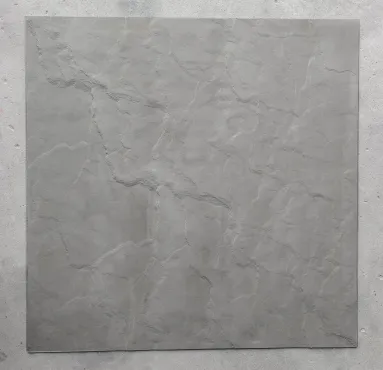
When sourcing decorative stone products for construction or interior design projects, verifying supplier authenticity is not just a matter of due diligence — it is essential to ensuring product quality, project safety, and long-term durability. For buyers evaluating an epoch stone supplier, understanding the quality marks and certifications that reputable suppliers should display can make the difference between a successful procurement and a costly mistake.
Epoch stone is a premium decorative profile material used in both interior and exterior applications. Its visual appeal, durability, and versatility make it a popular choice for architectural façade solutions, accent walls, and feature surfaces. However, the market includes suppliers of varying quality levels, and without proper certification, distinguishing between authentic, high-grade products and substandard alternatives becomes challenging.
Quality marks serve as objective, third-party verification that a supplier's products meet specific standards for material composition, mechanical performance, and safety. They provide buyers with confidence that the stone they purchase will perform as expected under real-world conditions.
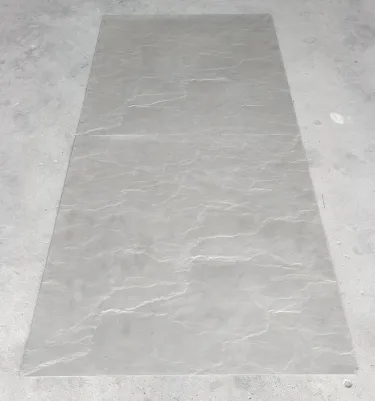
A credible epoch stone supplier should be able to display the following certifications and quality marks. These certifications are recognized internationally and demonstrate a commitment to manufacturing excellence.
ISO 9001:2015 is the most widely recognized quality management standard globally. It certifies that a supplier has established systematic processes for quality control, continuous improvement, and customer satisfaction. For an epoch stone supplier, this certification indicates that every batch of stone undergoes consistent quality checks — from raw material sourcing to final packaging.
As sustainability becomes a priority in construction, ISO 14001 certification demonstrates that the supplier manages its environmental responsibilities systematically. This includes responsible raw material extraction, waste reduction, and energy-efficient manufacturing. For projects pursuing green building certifications such as LEED or BREEAM, sourcing from ISO 14001-certified suppliers can contribute to certification credits.
CE marking is mandatory for construction products sold in the European Economic Area. It indicates that the product complies with EU health, safety, and environmental requirements. For decorative stone products, CE marking under the Construction Products Regulation (CPR) requires the supplier to provide a Declaration of Performance (DoP) that specifies the product's essential characteristics — such as flexural strength, water absorption, and frost resistance.
For projects in North America and many international markets, ASTM compliance is a key indicator of quality. Relevant ASTM standards for decorative stone include ASTM C97 (absorption and bulk specific gravity), ASTM C99 (modulus of rupture), and ASTM C170 (compressive strength). A supplier that provides ASTM test reports demonstrates transparency and product reliability.
Beyond formal certifications, reputable suppliers should provide detailed material test reports (MTRs) from accredited third-party laboratories. These reports should include data on:
| Certification / Mark | What It Covers | Relevance to Epoch Stone |
|---|---|---|
| ISO 9001:2015 | Quality management systems | Ensures consistent production quality |
| ISO 14001:2015 | Environmental management | Supports sustainable sourcing goals |
| CE Marking | EU product compliance | Required for European market access |
| ASTM Standards | Material performance testing | Validates physical and mechanical properties |
| Third-Party Lab Reports | Independent material analysis | Verifies supplier claims objectively |
Displaying quality marks is important, but buyers should also know how to verify them. Follow these steps when evaluating an epoch stone supplier:
Most ISO certifications are issued by accredited bodies such as UKAS, ANAB, or CNAS. Request the certificate number and verify it on the issuing body's online database. Certificates typically have a three-year validity period with annual surveillance audits — ensure the certification is current.
For CE-marked products, the supplier must provide a DoP document. This document links the product to its harmonized standard and declares its key performance characteristics. A legitimate supplier will provide this document without hesitation.
Ask for recent test reports from independent laboratories such as SGS, Intertek, or Bureau Veritas. These reports should be dated within the last 12 months and should reference the specific product type you are purchasing.
When possible, arrange a factory visit or request a virtual tour. A transparent supplier will welcome the opportunity to showcase their manufacturing processes, quality control stations, and in-house testing laboratories.
Epoch stone is just one element within a larger category of decorative profiles that includes metal series, mirror series, wood grain options, and various stone finishes. When sourcing decorative profiles, the same certification standards apply — consistent quality across all product lines reflects a supplier's overall commitment to excellence.
For project managers and procurement professionals, working with a supplier that maintains certifications across its entire catalog simplifies the vetting process and ensures that every material — from wall panels to flooring to decorative stone — meets the same high standards.
In Summary
Selecting the right epoch stone supplier goes beyond comparing prices and delivery times. Quality marks such as ISO 9001, ISO 14001, CE marking, and ASTM compliance are the foundation of a trustworthy supplier relationship. By understanding what these certifications mean and how to verify them, buyers can make informed decisions that protect their projects and ensure long-term satisfaction. When in doubt, always ask for documentation — and partner with suppliers who make quality transparency a priority.
Recommend Products












