
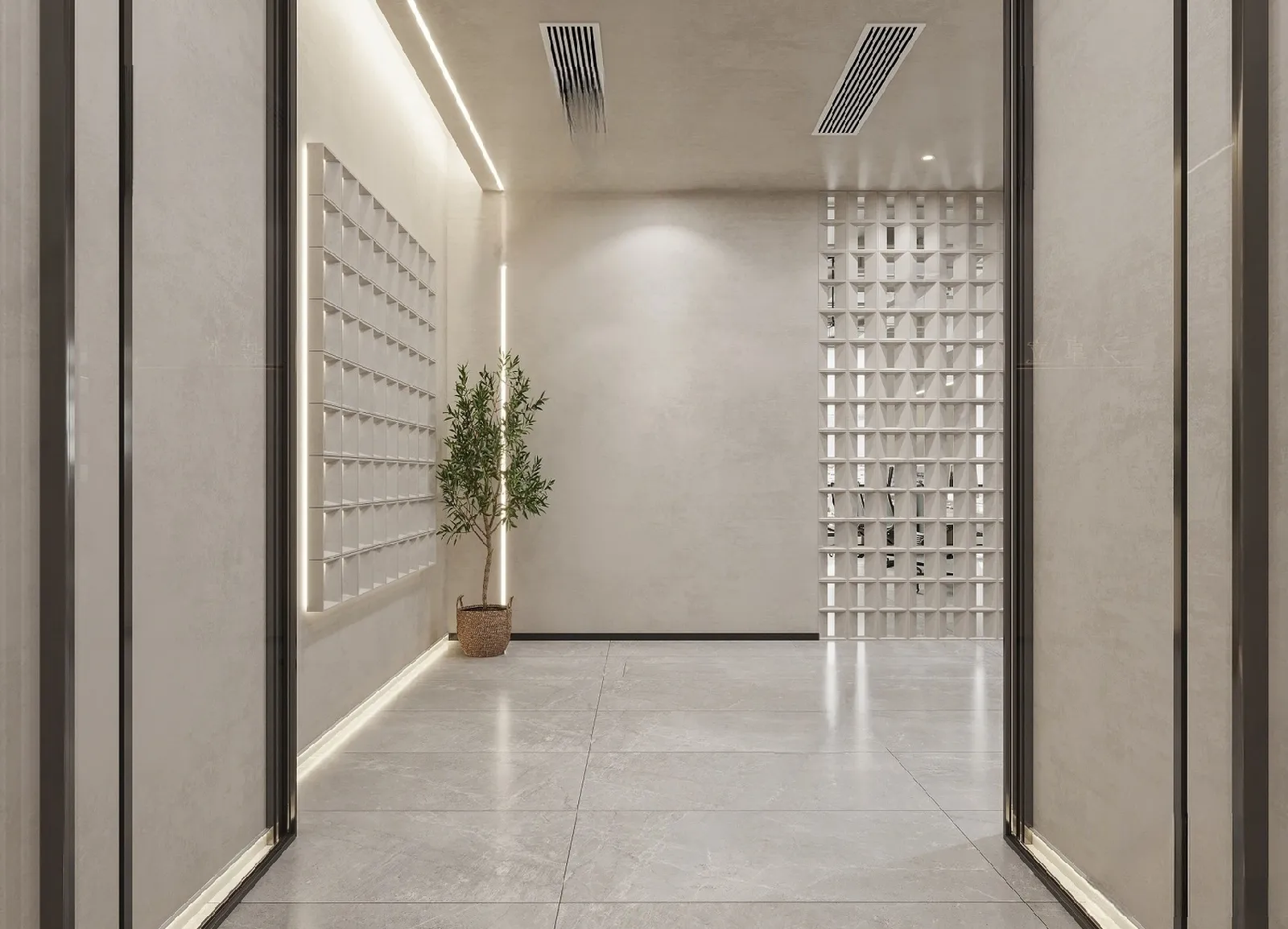
Hollow component bevel shapes are architectural elements that combine a hollow internal structure with angled or chamfered edge profiles, creating depth, shadow lines, and visual interest on walls and facades. These components have become increasingly popular in both residential and commercial construction because they offer a lightweight alternative to traditional solid stone or masonry elements while maintaining a high-end aesthetic appearance. A reliable walls supplier typically offers these components in a range of materials, each suited to specific project requirements and environmental conditions.
Understanding the different materials available is essential for architects, contractors, and property owners who want to make informed decisions about their building projects. Below, we explore the primary materials that a hollow component bevel shape supplier offers and how each material performs across different applications.
Polyurethane, commonly referred to as PU, is the most widely used material for hollow component bevel shapes. PU components are manufactured through a high-density foam molding process that creates a lightweight yet durable product with a realistic stone-like appearance. These panels typically come in standard sizes such as 600mm by 1200mm, with thickness options ranging from 30mm to 80mm depending on the design profile.
The advantages of PU hollow components are significant. They are exceptionally lightweight, which reduces shipping costs and makes installation straightforward without requiring heavy structural support. PU panels are also waterproof, mold-resistant, and fire-retardant when treated with appropriate additives. From a design perspective, PU offers remarkable versatility — it can be molded into virtually any shape or texture, including bevel, rectangular, square, circular, toray, and triumphal arch profiles. Color options are extensive, covering classic tones like snow white, Chinese red, black, grey, and Han jade white, as well as custom finishes to match any design scheme.
For projects requiring a natural stone look without the weight and cost, a pu stone wall panel supplier can provide hollow bevel components that faithfully replicate the texture of limestone, slate, travertine, and other natural stones. These panels are ideal for interior feature walls, TV background walls, hotel lobbies, and commercial spaces where visual impact is a priority.
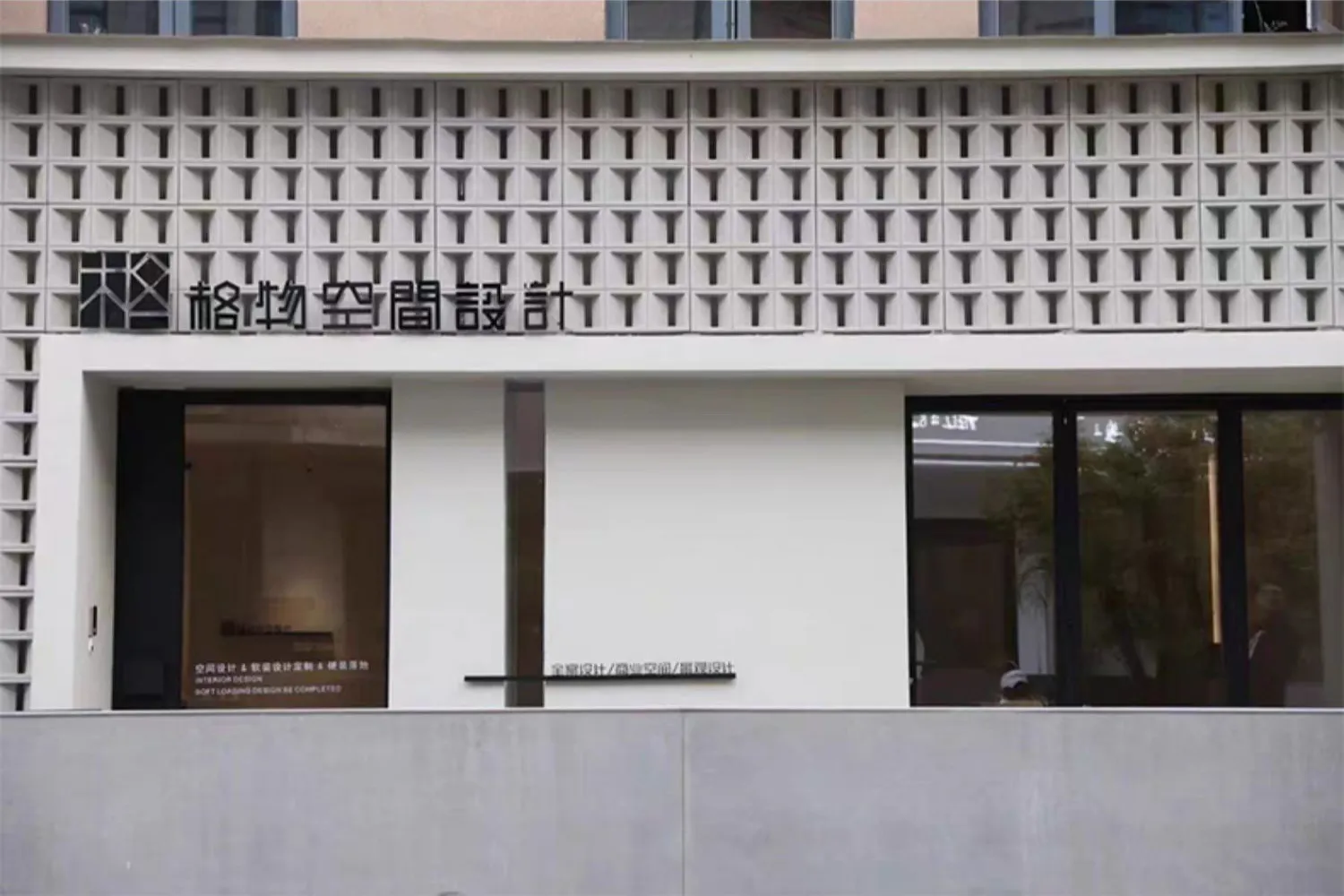
Wood-Plastic Composite is another material option for hollow component bevel shapes. WPC combines wood fibers with recycled thermoplastics to create a material that offers the natural warmth of wood with the durability of plastic. The hollow internal structure of WPC panels provides excellent thermal and acoustic insulation properties while keeping the overall weight manageable.
WPC bevel components are particularly well-suited for exterior applications, including facade cladding, balcony railings, and outdoor decorative walls. They resist moisture, insects, and UV degradation far better than natural wood, and they require minimal maintenance over their lifespan. Unlike solid wood, WPC does not warp, crack, or splinter, making it a practical choice for high-traffic areas and outdoor environments.
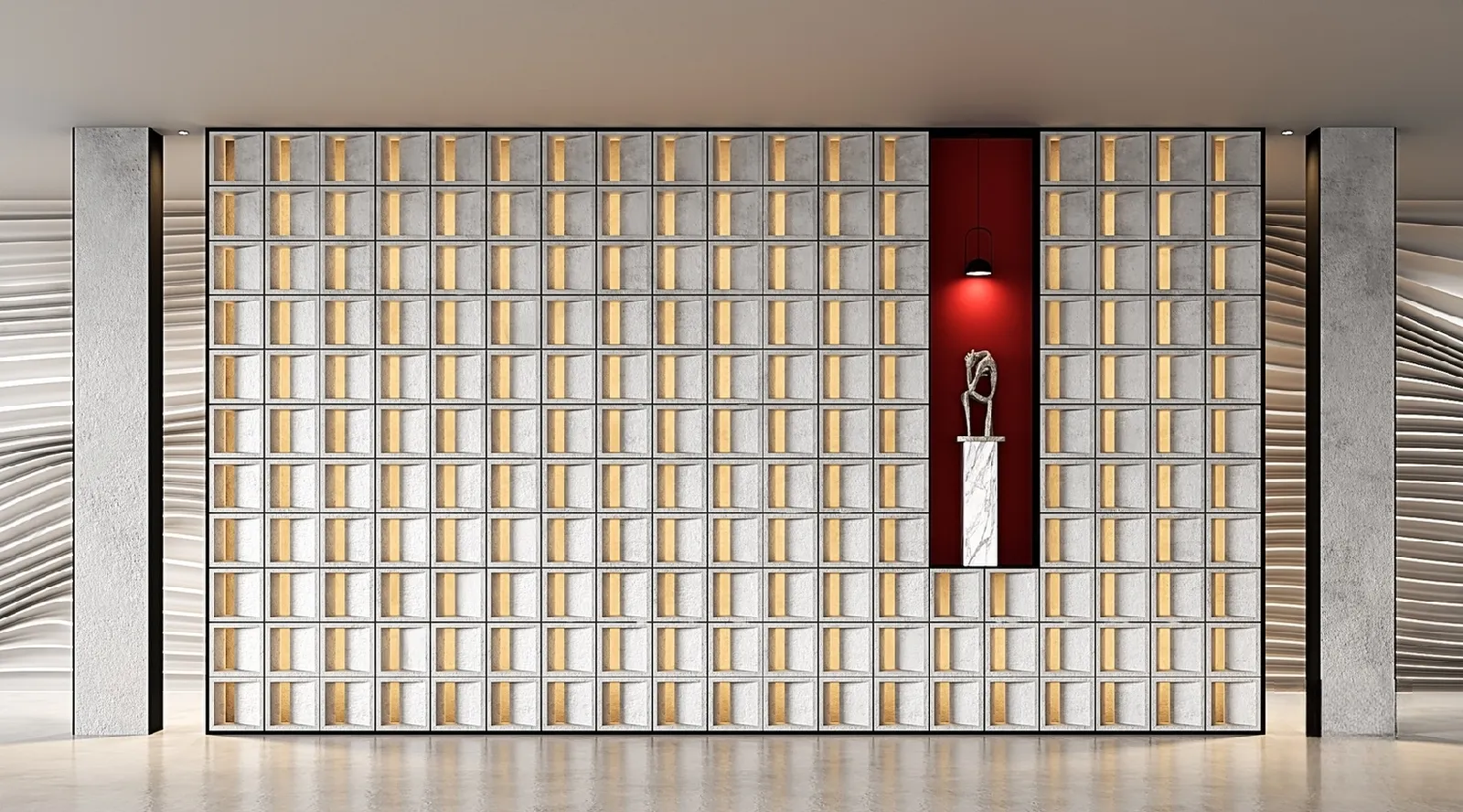
For projects demanding a sleek, contemporary look, aluminum and metal hollow bevel profiles are an excellent choice. These components are extruded or fabricated from aluminum alloys (typically 6061 or 6063 grade), stainless steel, or galvanized steel. The bevel edges are precisely machined to create clean, sharp lines that lend themselves to modern architectural styles.
Aluminum bevel profiles are lightweight, corrosion-resistant, and can be anodized or powder-coated in virtually any color. They are commonly used in commercial storefronts, office partitions, ceiling grid systems, and exterior trim applications. The hollow structure reduces material usage without compromising structural integrity, and the profiles can be designed to accommodate LED lighting strips for enhanced visual effects. Metal profiles also offer excellent fire resistance, making them suitable for buildings with stringent fire safety requirements.
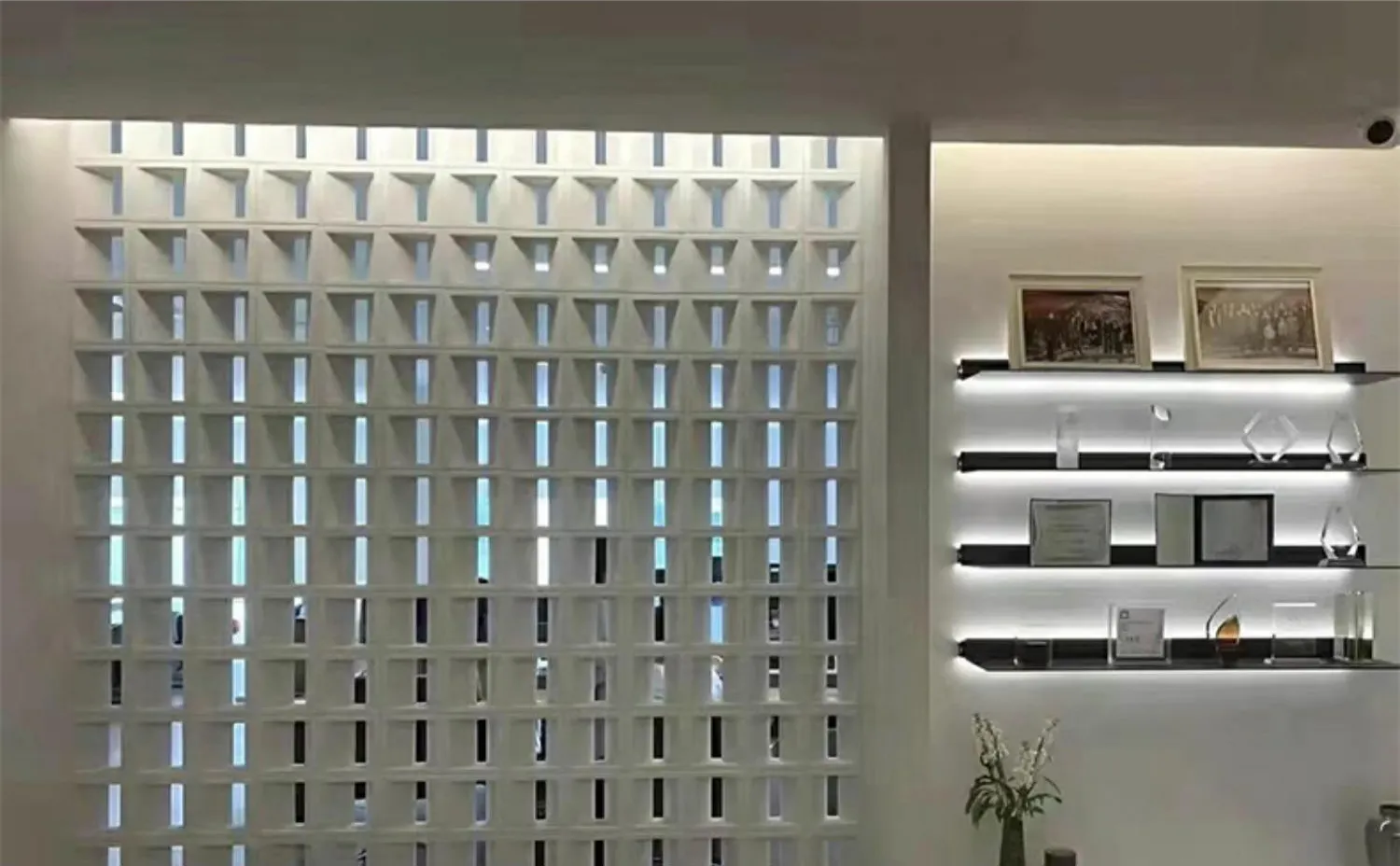
Modified Clay Materials represent an innovative category of hollow bevel components that combine natural clay minerals with polymer binders. The result is a flexible, lightweight panel that can be bent and shaped to fit curved surfaces while maintaining the authentic appearance of natural stone or brick. MCM panels are often used in exterior facade applications where traditional stone would be too heavy or expensive to install.
These materials offer excellent weather resistance, breathability, and thermal performance. They are also environmentally friendly, as they require less energy to produce than fired clay bricks or ceramic tiles. The hollow bevel design adds dimensional depth to the panel surface, creating dramatic shadow effects that change throughout the day as sunlight angles shift.
| Material | Weight | Best Applications | Key Advantage |
|---|---|---|---|
| Polyurethane (PU) | Very Light | Interior feature walls, TV backgrounds, hotel lobbies, retail spaces | Realistic stone texture, easy installation, waterproof |
| WPC | Moderate | Exterior cladding, balconies, outdoor decorative walls, wet areas | Weather-resistant, sustainable, low maintenance |
| Aluminum | Light | Commercial facades, office interiors, ceiling systems, modern storefronts | Precision finish, corrosion-resistant, fire-rated |
| MCM / Flexible Cladding | Very Light | Curved surfaces, exterior facades, renovation projects | Flexible, eco-friendly, authentic stone appearance |
| Stainless Steel | Heavy | Industrial facilities, high-traffic public spaces, coastal environments | Maximum durability, excellent corrosion resistance |
Hollow component bevel shapes find applications in a wide range of sectors, each with distinct material requirements:
Residential Projects: Homeowners often choose PU hollow bevel panels for living room accent walls, bedroom headboards, and entrance hallway features. The lightweight nature of PU makes it suitable for DIY installation, and the variety of textures and colors allows homeowners to achieve a luxury look on a reasonable budget. Polyurethane panels in warm stone tones are particularly popular for creating cozy, inviting living spaces.
Commercial and Hospitality: Hotels, restaurants, and retail stores use hollow bevel components to create memorable interiors that impress guests and customers. In these settings, fire-rated PU panels and aluminum profiles are preferred for their compliance with commercial building codes. The bevel shape creates sophisticated shadow play that enhances ambient lighting designs, making spaces feel more premium and curated.
Exterior Facades: For outdoor applications, WPC panels, aluminum profiles, and MCM flexible cladding are the materials of choice. These materials must withstand UV exposure, rain, temperature fluctuations, and wind loads. The hollow structure provides a thermal break that improves the building's energy efficiency, while the bevel profile helps shed water and prevent moisture accumulation.
Institutional Buildings: Schools, hospitals, and government buildings require materials that meet strict fire safety and hygiene standards. Class A fireproof boards and aluminum profiles are commonly specified for these projects. Hollow bevel components in these environments must be durable enough to withstand heavy use and easy to clean and maintain.
When sourcing hollow component bevel shapes, working with a comprehensive supplier that offers multiple material options and a wide range of decorative profiles is a significant advantage. A one-stop solution provider can help you select the right material for each application area within a single project, ensuring consistency in quality, color matching, and delivery timelines.
Key factors to consider when evaluating a supplier include the breadth of their material catalog, their ability to provide custom colors and sizes, their compliance with international quality and fire safety standards, and their track record in delivering projects on time. Suppliers with overseas distribution networks and multilingual support teams are especially valuable for international construction projects.
Pro Tip: When planning a project that involves multiple material types — for example, PU panels for interior walls and aluminum profiles for exterior trim — sourcing from a single supplier that carries both product lines can simplify logistics, reduce shipping costs, and ensure better coordination between different material deliveries.
Hollow component bevel shapes are a versatile architectural solution available in materials ranging from lightweight polyurethane to durable aluminum and sustainable WPC. Each material offers distinct advantages for specific applications, whether it is an interior feature wall in a residential home, a striking facade on a commercial building, or a weather-resistant exterior cladding system.
By understanding the properties and ideal use cases of each material, architects, contractors, and property developers can make informed decisions that balance aesthetics, performance, and budget. Partnering with an experienced supplier that provides a comprehensive range of materials and decorative profiles ensures that every project — from concept to completion — is supported by quality products and expert guidance.
Recommend Products












