


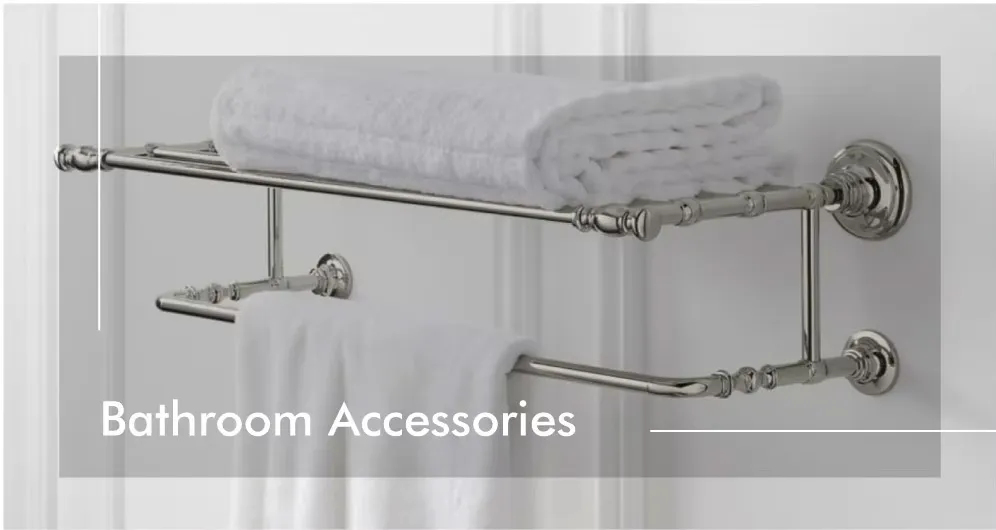
Stepping into your bathroom shouldn't feel like visiting a hardware store. Those soap dispensers, towel racks, and faucets around you? They're not just functional objects – they're daily companions that can spark joy or frustration depending on the materials hugging their surfaces. Ever had that heart-sinking moment when you spot the first orange-brown speckles creeping onto your shiny chrome fixtures? Yeah, we've all been there.
Today, we'll explore the fascinating world of bathroom materials and tackle rust resistance head-on. I'll be your guide through this jungle of finishes and alloys, helping you understand not just what choices you have, but why certain materials behave the way they do in steamy environments. For instance, did you know that the humid air we create with hot showers can be more damaging to some metals than direct water exposure?
The Material Showdown: Rustproof Champions
Selecting bathroom accessories goes beyond aesthetics – it's about creating a sanctuary that endures. Here's how today's top contenders stack up against moisture and time:
Stainless Steel: The Heavyweight Champion
That brushed nickel finish you love? It often contains chromium – stainless steel's secret weapon. When exposed to oxygen, chromium forms an invisible shield called chromium oxide. This layer continuously repairs itself, even if scratched. But not all stainless is equal – look for the magic numbers: 316 grade surgical stainless contains molybdenum, adding extra saltwater resistance perfect for beach house bathrooms.
- Virtually rustproof when properly maintained
- Gains character instead of deteriorating
- Hygienic surface discourages bacteria
- Higher price point than basic materials
- Requires occasional polishing
Brass: The Timeless Classic
There's something deeply satisfying about quality brass accessories. The copper-zinc alloy develops a rich patina over decades, but without the protective lacquer coating, it naturally tarnishes. Modern manufacturers apply triple-layer lacquers using electrostatic technology – microscopic armor that locks out moisture. Ever wonder why Venetian brass fixtures from the 1700s still exist? That's zinc copper alloy endurance!
- Develops warm patina rather than corrosion
- Solid feel adds luxurious weight
- Quality lacquer determines rust resistance
- Often requires premium pricing
Copper: The Unlikely Hero
Copper's not just for farmhouse sinks – its natural antimicrobial properties and oxidation process create a rustproof surface through chemistry. The greenish patina forming on Statue of Liberty? That same protective layer develops on copper accessories, creating a living finish that evolves with your home.
- Naturally forms protective patina layer
- Continuously kills bacteria on surface
- Reactions with hard water minerals
- Initial bright finish requires maintenance
Engineering Plastics: Invisible Guardians
Modern bathroom accessories increasingly rely on specially engineered plastics for internals and mounting hardware. Materials like acetal copolymer (with trade names like Delrin) provide silent strength in shower system valves and soap pump mechanisms. When evaluating plastic fixtures, listen for solid clicks – hollow sounds indicate cheaper plastic that might flex or deteriorate.
- Zero rust potential
- Lightweight and versatile
- Vast quality differences between manufacturers
- Can feel less substantial than metal
When Rust Happens: Materials That Lose the Battle
Despite our best intentions, some materials just can't handle bathroom warfare:
Standard Chrome Plating
That bargain bin chrome soap dish? It's likely steel with microthin chrome plating. When microscopic cracks develop in the chrome surface (often from acidic cleaners), moisture sneaks in to attack the base metal. Result? Blistered chrome and stubborn rust stains bleeding through.
Cast Iron
While enameled cast iron tubs remain classics, uncoated iron accessories will surrender to rust within months. You might see beautiful vintage cast iron hardware – note it's typically been reglazed multiple times to survive bathroom duty.
Low-Quality Zinc Alloys
Sometimes called "pot metal," these mystery alloys develop white crusty oxidation that eats away details. They're the reason ornate hotel bathroom fixtures sometimes deteriorate faster than expected.
Beyond Metals: Unexpected Bathroom Materials
The material revolution includes surprising contenders:
Marble & Stone
Beyond vanity tops, marble now appears in sculptural soap dishes and toothbrush holders. Though technically "rustproof," porous stones can stain permanently from metal cans left on surfaces.
Silicone
Modern soap pumps and tumbler holders use medical-grade silicone that repels water completely. Look for thick platinum-cured variants that maintain flexibility for years.
Titanium
The space-age material has entered high-end bathrooms through thin coating applications. When applied properly through physical vapor deposition (PVD), titanium finishes bond at molecular levels with substrates for nearly eternal rust resistance.
Keeping Rust at Bay: Care Secrets
Even the best materials need occasional TLC:
Ventilation Matters Most
The true enemy isn't water – it's oxygen reacting with metal in humid environments. Run exhaust fans during showers and leave them on for 30 minutes after. Open windows whenever possible to break humidity cycles.
Cleaning Wisdom
Skip abrasive powders that strip protective layers. Instead: white vinegar-soaked cloths for minerals, baking soda pastes for stubborn spots, and microfiber cloths for daily wiping. Waxy automotive detail sprays work wonders on stainless steel and brass.
Water Quality Solutions
Hard water minerals accelerate corrosion. Consider installing point-of-use filtration if you see rapid spotting after cleaning. Water softener systems extend not just fixture life but appliance longevity too.
Making Your Material Choices
Your dream bathroom balances beauty, budget and longevity:
- Budget warriors: Focus stainless steel investments on always-wet areas like shower systems, use quality plastics elsewhere
- Coastal & humid climates: Prioritize 316 stainless or PVD-coated hardware that laughs at salty air
- Low-maintenance seekers: Architectural ceramics or satin-finished brass hide imperfections gracefully
- For shower heads and bathroom faucets: Ensure they incorporate brass internals regardless of exterior finishes
Parting Wisdom
Rustproof bathroom materials create more than just practical longevity – they build daily relationships with objects that serve us well. When selecting your next bathroom accessory, run your fingers along the surfaces. Quality materials speak through temperature, weight, and texture. That slight chill of copper? The reassuring heft of brass? The liquid glide of polished ceramic? These sensory signatures tell stories of careful craftsmanship that will keep serving you long after cheaper options have surrendered to rust.
And remember – even top-tier shower enclosure components need thoughtful pairing with materials to avoid rust traps where dissimilar metals meet. Always use plastic isolation shims between aluminum frames and steel reinforcement bars to prevent galvanic corrosion nightmares.
Your bathroom should be a sanctuary, not a science experiment in corrosion. Choose well, maintain wisely, and enjoy for decades to come.










