
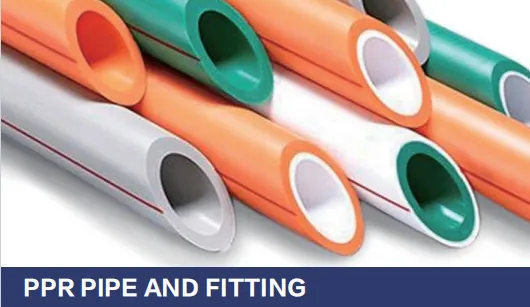
Behind every functional, comfortable building—whether a cozy home, a bustling office, or a state-of-the-art hospital—lies a network of systems working silently to keep things running. Among these, the plumbing system is often the unsung hero. It delivers clean water for cooking and bathing, removes waste efficiently, and ensures hot water flows reliably on cold mornings. But not all plumbing materials are created equal. In recent years, one solution has risen to the top of the list for builders, contractors, and homeowners alike: PPR pipe and fitting solutions. As a staple offering from leading residential building materials suppliers and commercial building materials suppliers, PPR (Polypropylene Random Copolymer) has redefined what it means to have a durable, efficient, and versatile piping system. Let's dive into why PPR pipe and fitting solutions have become the go-to choice for projects big and small, and why partnering with the right PPR pipe and fitting supplier can make all the difference in your next build.
Before we explore its benefits, let's clarify what PPR is. Short for Polypropylene Random Copolymer, PPR is a type of plastic polymer engineered for high performance in plumbing applications. Unlike standard polypropylene, the "random copolymer" structure gives PPR enhanced flexibility, heat resistance, and strength. This unique composition is created by polymerizing propylene with small amounts of ethylene, resulting in a material that can withstand extreme temperatures, resist chemical corrosion, and maintain structural integrity over decades.
For builders and contractors, this means more than just a pipe—it's a solution designed to adapt to the demands of modern construction. Whether you're working on a high-rise commercial complex or a single-family home, PPR pipe and fitting solutions offer a level of reliability that's hard to match. And for a one-stop architectural solution provider, integrating PPR into their product lineup ensures clients have access to a material that checks every box: durability, efficiency, and versatility.
What makes PPR pipe and fitting solutions stand out in a crowded market? Let's break down the advantages that have made them a top choice for engineers, architects, and project managers:
PPR pipes are built to last. With a typical lifespan of 50 years or more when properly installed, they outperform many traditional materials. Unlike metal pipes that rust or corrode over time, PPR is resistant to chemical degradation, making it ideal for both potable water and industrial applications. This longevity isn't just a selling point for homeowners—it's a cost-saver for commercial projects, where maintenance and replacements can eat into budgets. For a commercial building materials supplier, offering PPR solutions means providing clients with a product that reduces long-term liabilities.
One of PPR's most impressive features is its ability to handle extreme temperatures. Most PPR pipes can withstand hot water up to 95°C (203°F) and cold water down to -10°C (14°F), making them suitable for both hot and cold water systems. This versatility is a game-changer for residential projects, where a single piping system can serve showers, dishwashers, and radiators. In commercial settings like hotels or hospitals, where consistent hot water is non-negotiable, PPR pipe and fitting solutions ensure reliability even under heavy usage.
For projects involving drinking water, hygiene is paramount. PPR pipes have a smooth inner surface that prevents the buildup of bacteria, algae, or scale, ensuring water remains clean and safe. They're also free from harmful chemicals like BPA, making them compliant with strict health standards in regions like the EU and North America. This feature is especially critical for healthcare facilities and schools, where water quality directly impacts public health. As a PPR pipe and fitting supplier catering to hospitals or educational institutions, this compliance is non-negotiable.
Time is money in construction, and PPR pipes are designed to save both. Unlike copper pipes that require soldering or PVC that needs precise gluing, PPR fittings use a heat fusion process. This method creates a seamless, leak-proof joint by melting the pipe and fitting together, ensuring a bond as strong as the material itself. The process is quick, requires minimal tools, and reduces the risk of human error. For contractors, this means faster project completion and fewer callbacks for leaks. Additionally, PPR's low maintenance needs—no painting, no rust treatment—free up resources for other aspects of the build.
While initial costs for PPR may be slightly higher than PVC, the long-term savings are undeniable. Lower installation labor costs, minimal maintenance, and a 50+ year lifespan mean PPR offers a better return on investment than many alternatives. For residential building materials suppliers, this balance of quality and affordability makes PPR a popular choice among budget-conscious homeowners who don't want to sacrifice durability. In commercial projects, where scale amplifies savings, PPR pipe and fitting solutions often become the default option.
To truly understand why PPR is a top choice, let's compare it to other common piping materials. The table below highlights key differences in performance, cost, and application:
| Material | Temperature Range | Corrosion Resistance | Installation Complexity | Lifespan | Best For |
|---|---|---|---|---|---|
| PPR | -10°C to 95°C | Excellent (resists acids, alkalis) | Low (heat fusion, minimal tools) | 50+ years | Residential, commercial, healthcare, hot/cold water |
| PVC | 0°C to 60°C | Good (but not for hot water) | Medium (gluing required) | 25-40 years | Cold water, drainage, low-temperature applications |
| Copper | -20°C to 150°C | Good (but prone to corrosion in acidic water) | High (soldering required) | 50+ years | High-end residential, industrial (but costly) |
| PEX | -40°C to 93°C | Excellent | Low (crimp fittings) | 40-50 years | Residential hot water, radiant heating |
As the table shows, PPR strikes a unique balance between temperature resistance, ease of installation, and longevity. While copper matches PPR in lifespan, its high cost and complex installation make it less accessible for most projects. PVC, though cheaper, lacks the heat resistance needed for hot water systems. PEX is flexible but often more expensive than PPR and less widely available in some regions. For a one-stop architectural solution provider, PPR's versatility across applications makes it an indispensable part of a comprehensive product portfolio.
PPR's adaptability means it's not limited to a single type of project. From homes to hospitals, its applications are wide-ranging and diverse:
In homes, PPR is the backbone of hot and cold water distribution systems. Its ability to handle high temperatures makes it perfect for showers, washing machines, and kitchen sinks, while its smooth interior ensures clean, odor-free water. For a residential building materials supplier, PPR's reliability is a major selling point—homeowners want peace of mind that their plumbing won't fail, and PPR delivers that. Additionally, PPR's flexibility allows for easier routing around walls and floors, reducing the need for extensive demolition during installation.
Offices, hotels, and retail centers benefit from PPR's durability and low maintenance. In high-traffic areas where downtime is costly, PPR's leak-proof joints and resistance to wear ensure uninterrupted water supply. For example, a hotel with hundreds of rooms relies on consistent hot water for guest satisfaction—PPR's heat resistance and long lifespan make it a reliable choice. As a commercial building materials supplier, offering PPR pipe and fitting solutions positions you as a partner who understands the unique demands of large-scale projects.
Hospitals, clinics, and schools have strict hygiene and safety standards, and PPR meets them all. Its non-toxic, bacteria-resistant properties make it ideal for medical facilities where water purity is critical. In schools, where durability and cost-effectiveness are priorities, PPR's long lifespan and low maintenance needs reduce the burden on facility managers. For a PPR pipe and fitting supplier specializing in healthcare solutions, this niche application showcases the material's versatility and commitment to quality.
For suppliers, especially those aiming to be a one-stop architectural solution provider, PPR pipe and fitting solutions are more than just a product—they're a strategic advantage. Here's why:
In the world of building materials, few products offer the perfect blend of durability, versatility, and cost-effectiveness that PPR pipe and fitting solutions do. From residential homes to commercial skyscrapers, from hospitals to schools, PPR has proven itself as a top choice for modern construction. Its ability to withstand the test of time, adapt to diverse applications, and reduce long-term costs makes it an investment worth making.
For those in the industry—whether you're a contractor, architect, or supplier—partnering with a trusted PPR pipe and fitting supplier is key. The right supplier doesn't just deliver products; they provide expertise, support, and integrated solutions that make projects run smoother. As a one-stop architectural solution provider, incorporating PPR into your offerings ensures you can meet the full spectrum of client needs, from the foundation to the finishing touches.
In the end, the choice is clear: when it comes to piping systems that balance performance, reliability, and value, PPR pipe and fitting solutions stand head and shoulders above the rest. They're not just a top choice—they're the future of plumbing.
Recommend Products












