
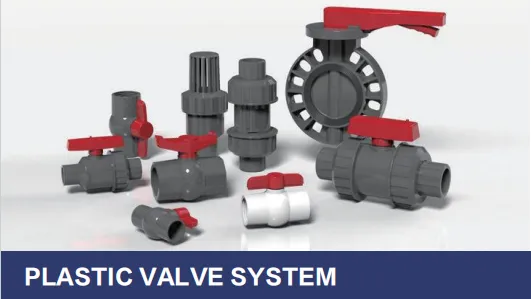
Walk onto any modern construction site, and you'll notice a quiet revolution unfolding in the materials that shape our buildings. From skyscrapers piercing city skylines to cozy suburban homes, the shift toward smarter, more efficient materials has become impossible to ignore. Among these innovations, one component stands out for its understated yet critical role: plastic valve system solutions. These unassuming devices, often hidden behind walls or beneath floors, are the unsung heroes ensuring that water flows, waste is diverted, and systems run seamlessly. But what exactly makes them so indispensable in today's construction landscape? Let's dive in.
Gone are the days when construction was a one-size-fits-all industry. Today's projects demand materials that balance durability, cost, sustainability, and adaptability—all while meeting stricter regulatory standards. Traditional materials like metal valves, once the gold standard, are increasingly being overshadowed by alternatives that offer more bang for the buck. This shift isn't just about cutting costs; it's about building for the future. As cities grow denser and environmental concerns take center stage, construction teams are turning to solutions that can keep up with the pace of modern life.
Enter plastic valve system solutions. These systems, which include everything from ball valves to check valves, are designed to control the flow of liquids and gases in plumbing, HVAC, and industrial systems. But they're more than just functional—they're a reflection of how construction has evolved. Unlike their metal predecessors, plastic valves are lightweight, corrosion-resistant, and surprisingly robust. They're also a boon for sustainability, aligning with global efforts to reduce carbon footprints. It's no wonder that forward-thinking builders and engineers are making them a staple in their projects.
Before we explore their importance, let's clarify what we mean by plastic valve system solutions . At their core, these are comprehensive systems that combine plastic valves with compatible piping, fittings, and accessories to create reliable fluid management networks. They're not just standalone products; they're integrated solutions designed to work seamlessly with modern piping materials like UPVC, PVC, and PPR. This integration is key—after all, a valve is only as good as the pipes it connects to. That's why many suppliers, such as a trusted pvc dwv pipe supplier , often pair their pipes with complementary plastic valve systems to ensure optimal performance.
Take upvc pipe solutions , for example. UPVC (unplasticized polyvinyl chloride) pipes are widely used in water supply and drainage systems for their strength and chemical resistance. When paired with plastic valves, they form a system that's not only leak-proof but also easy to install and maintain. This synergy is what makes plastic valve system solutions so effective: they're engineered to work in harmony with the materials that define modern construction.
So, why are builders and contractors choosing plastic valve systems over traditional metal options? Let's break down the advantages that have made them essential in contemporary construction.
One of the biggest headaches with metal valves is corrosion. Over time, exposure to water, chemicals, or even the elements can cause metal to rust, weaken, and eventually fail. This isn't just a maintenance nightmare—it's a safety risk. Plastic valve system solutions, on the other hand, are inherently resistant to corrosion. Materials like PVC, CPVC, and PPR don't react with water or most chemicals, making them ideal for everything from residential plumbing to industrial wastewater systems. Imagine a hospital's plumbing network, where cleanliness and reliability are non-negotiable. A plastic valve here won't degrade from constant exposure to cleaning agents, ensuring the system stays intact for decades.
Construction budgets are tight, and every dollar counts. Plastic valve systems deliver savings at every stage of a project. First, the materials themselves are often cheaper than metal. Then there's installation: plastic valves are lightweight, which means they're easier to transport and handle—no need for heavy machinery or extra labor. Compare that to metal valves, which require specialized tools and often multiple workers to maneuver. Over time, the savings grow: plastic valves rarely need repairs or replacements, cutting down on maintenance costs. Even a small decision, like choosing a reliable pvc dwv pipe supplier that offers bundled valve solutions, can add up to significant long-term savings.
Sustainability isn't just a buzzword in construction—it's a mandate. Governments and clients alike are demanding buildings that minimize environmental impact, and plastic valve system solutions deliver on this front. For starters, plastic valves are often made from recycled materials, and many are fully recyclable at the end of their lifecycle. Their lightweight design also reduces transportation emissions, as more units can be shipped in a single load compared to heavy metal valves. Additionally, plastic production requires less energy than metal smelting, further lowering the carbon footprint. When paired with upvc pipe solutions , which are also eco-friendly, these systems become a cornerstone of green building practices.
Contemporary construction isn't limited to one type of building, and neither should its materials. Plastic valve system solutions shine in their versatility, adapting to everything from residential homes to large-scale industrial complexes. Need a valve for a high-pressure water line in a commercial kitchen? There's a plastic solution for that. How about a chemical-resistant valve for a factory's wastewater system? Plastic has you covered. Even in specialized settings like hospitals or schools, where hygiene and safety are paramount, plastic valves meet strict standards—often outperforming metal in terms of cleanliness, as they don't harbor bacteria or rust.
Time is money in construction, and delays can derail entire projects. Plastic valve systems are designed with speed in mind. Unlike metal valves, which often require threading, welding, or soldering, plastic valves can be installed with simple tools—think glue, compression fittings, or push-to-connect mechanisms. This not only speeds up installation but also reduces the risk of human error. For a busy contractor, this means finishing projects ahead of schedule and moving on to the next job sooner. It's no wonder that even seasoned professionals, who once swore by metal, are making the switch.
To truly understand the value of plastic valve system solutions, let's compare them side-by-side with traditional metal valves. The table below highlights key differences that matter most to builders and project managers:
| Feature | Plastic Valve System Solutions | Traditional Metal Valves |
|---|---|---|
| Corrosion Resistance | Excellent—resistant to water, chemicals, and rust | Poor—prone to rust and degradation over time |
| Weight | Lightweight (easy to transport and install) | Heavy (requires extra labor and equipment) |
| Cost | Lower upfront and long-term costs | Higher upfront costs; maintenance adds to expenses |
| Sustainability | Recyclable, lower carbon footprint | High energy use in production; limited recyclability |
| Installation Time | Fast (no welding or threading needed) | Slow (requires specialized tools and skills) |
| Versatility | Suitable for residential, commercial, and industrial use | Limited by corrosion risks in harsh environments |
The data speaks for itself: plastic valve system solutions outperform metal valves in nearly every category that matters to modern construction. But don't just take our word for it—let's look at how they're making an impact in real-world projects.
In residential buildings, plastic valve system solutions are a game-changer for homeowners and contractors alike. Consider a typical suburban home: its plumbing system relies on valves to control water flow to sinks, showers, and appliances. Using plastic valves here ensures that leaks are rare, maintenance is minimal, and water pressure remains consistent. Even in Drain-Waste-Vent (DWV) systems, which remove wastewater and prevent sewer gases from entering the home, a reputable pvc dwv pipe supplier will pair PVC pipes with plastic valves to create a system that's both efficient and long-lasting. Homeowners benefit from lower utility bills and fewer repair calls, while contractors enjoy faster installations and happier clients.
Commercial buildings, from office towers to shopping malls, demand systems that can handle high volumes and constant use. Plastic valve system solutions rise to the challenge here, too. For example, in a large office complex, HVAC systems rely on valves to regulate temperature and airflow. Plastic valves, with their corrosion resistance and precise control, ensure that these systems run efficiently year-round, reducing energy costs for building owners. In restaurants, where grease and hot water are common, plastic valves stand up to harsh conditions better than metal, minimizing downtime and ensuring compliance with health codes.
You might think industrial settings, with their heavy machinery and harsh chemicals, would still favor metal. But plastic valve system solutions are proving their mettle here as well. Factories that process chemicals, for instance, use plastic valves to control the flow of corrosive substances—something metal valves would struggle with. Wastewater treatment plants, too, rely on plastic valves for their resistance to sewage and industrial waste. Even in mining or agriculture, where systems are exposed to the elements, plastic valves hold up better than metal, reducing the need for frequent replacements.
Despite their many benefits, some skeptics still question whether plastic valves are strong enough for heavy-duty construction. Let's set the record straight: modern plastic valve system solutions are engineered to meet rigorous standards. Advances in materials science have led to plastics that are not only strong but also heat-resistant, pressure-resistant, and impact-resistant. For example, CPVC (chlorinated polyvinyl chloride) valves can handle temperatures up to 200°F (93°C), making them suitable for hot water systems. Similarly, PPR valves are designed to withstand high pressure, making them ideal for industrial applications. The idea that plastic is "weak" is a relic of the past—today's solutions are built to last.
As construction continues to evolve, so too will plastic valve system solutions. Innovations on the horizon include smart valves equipped with sensors that monitor flow rates and detect leaks in real time—allowing for predictive maintenance and even faster repairs. We're also seeing advancements in biodegradable plastics, which would further reduce environmental impact. Additionally, as upvc pipe solutions and other plastic piping systems become more advanced, valves will become even more integrated, creating seamless networks that are easier to design and install.
Perhaps most exciting is the role plastic valve systems will play in sustainable construction. As the world moves toward net-zero buildings, these solutions will be critical in reducing energy use, minimizing waste, and lowering carbon footprints. They're not just a trend—they're a cornerstone of the buildings of tomorrow.
In the fast-paced world of contemporary construction, every material choice matters. Plastic valve system solutions have earned their place as essential components by delivering durability, cost-effectiveness, sustainability, and versatility—all while keeping pace with the demands of modern projects. Whether you're building a home, a skyscraper, or a factory, these solutions offer a level of performance that traditional materials simply can't match.
So, the next time you walk into a building, take a moment to appreciate the unseen systems that make it work. Chances are, plastic valve system solutions are hard at work behind the scenes, ensuring that everything runs smoothly. And as construction continues to push boundaries, one thing is clear: plastic valves aren't just a passing fad—they're the future of building smarter, greener, and better.
Recommend Products












