
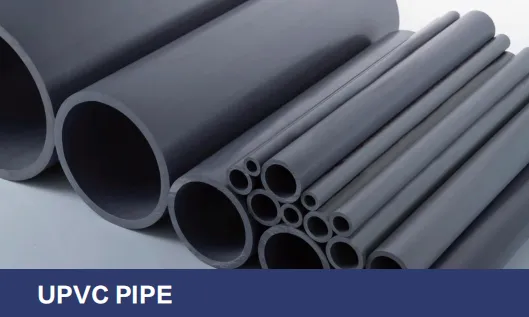
Walk into any newly built home, and behind the fresh paint and modern fixtures lies a silent workhorse: the network of UPVC pipes. These unassuming tubes are the backbone of plumbing systems, carrying water, waste, and essential fluids through residential, commercial, and industrial spaces. Yet, for all their importance, choosing the right UPVC pipe supplier can feel overwhelming. With countless options flooding the market—from local distributors to global manufacturers—how do you separate the reliable partners from the rest? What truly makes a UPVC pipe supplier stand out in a crowded industry?
The answer lies not just in the pipes themselves, but in the entire experience of working with the supplier. It's about trust, reliability, and a commitment to delivering value that goes beyond a transaction. In this article, we'll explore the key traits that set exceptional UPVC pipe suppliers apart, from uncompromising quality to customer-centric solutions that make even the most complex projects feel manageable.
At the core of any standout UPVC pipe supplier is an unwavering dedication to quality. UPVC (unplasticized polyvinyl chloride) pipes are chosen for their durability, resistance to corrosion, and long lifespan—but these benefits only hold true if the materials and manufacturing processes are top-tier. Exceptional suppliers don't cut corners here; they treat quality as a non-negotiable.
Start with the raw materials: Virgin UPVC resin, free from fillers or recycled plastics that could weaken the pipe's structure. This ensures the pipes can withstand harsh conditions, from extreme temperatures to chemical exposure (a critical factor for industrial or agricultural applications). Then there's the manufacturing process: precision extrusion machines that maintain uniform wall thickness, smooth inner surfaces (to reduce friction and improve water flow), and strict quality checks at every stage—from material mixing to final packaging.
Testing is another hallmark of quality. Reputable suppliers subject their UPVC pipes to rigorous third-party testing, including hydrostatic pressure tests (to ensure they won't burst under high water pressure), impact resistance tests (to handle installation mishaps or ground movement), and chemical resistance tests (to confirm compatibility with common substances like detergents or fertilizers). Certifications like ASTM D1785 (for pressure pipes) or DIN 8062 (for dimensions) aren't just paperwork—they're proof that the product meets global standards.
Consider this: A low-quality UPVC pipe might save you money upfront, but it could crack after a few years, leading to leaks, water damage, and costly repairs. An exceptional supplier understands this and prioritizes quality to protect your project's long-term success.
A great UPVC pipe supplier doesn't just sell pipes—they provide solutions . Think about it: A plumbing project needs more than tubes. It needs fittings (elbows, tees, couplings), valves to control flow, and sometimes custom components to fit unique spaces. The best suppliers recognize this and offer a one-stop shop for all your piping needs, integrating seamlessly with related products like plastic valve systems or specialized pipes fittings solutions.
For example, if you're working on a high-rise residential building, you might need UPVC pressure pipes for the main water line, UPVC DWV (drain, waste, vent) pipes for the drainage system, and plastic valves to regulate water pressure on each floor. A standout supplier will have all these in stock, ensuring compatibility between products and reducing the hassle of coordinating with multiple vendors. They might even offer custom solutions, like pre-cut pipes or specialized fittings for tight corners, saving you time and labor on-site.
This breadth of offerings extends to industry-specific needs, too. A school or hospital project, for instance, might require Class A fireproof materials—while the supplier might not specialize in those directly, they'll guide you to compatible UPVC pipes that meet safety codes, or partner with trusted Class A fireproof CPL inorganic board suppliers to ensure your entire project stays compliant. It's this holistic approach that turns a supplier into a project partner.
| UPVC Pipe Solution | Primary Applications | Key Advantages | Compliance Standards |
|---|---|---|---|
| UPVC Pressure Pipes (SCH40/SCH80) | Residential/commercial water supply, irrigation, industrial fluid transport | High burst pressure resistance, corrosion-proof, smooth inner walls for low friction | ASTM D1785, ISO 4422 |
| UPVC DWV Pipes | Drainage, waste, and vent systems in homes, offices, and public buildings | Lightweight, easy to install, resistant to clogs and chemical degradation | ASTM D2665, DIN 19532 |
| UPVC Well Casing & Screen Pipes | Water wells, geothermal systems, groundwater monitoring | Durable in underground environments, prevents sand/sediment infiltration | ASTM D1784, API Spec 5CT (modified) |
| UPVC Electrical Conduit Pipes | Protecting electrical wiring in residential, commercial, and industrial buildings | Insulating, flame-retardant, resistant to moisture and rodents | AS/NZS 2053, IEC 61386 |
In the world of building materials, technical expertise and product quality are essential—but they're only part of the equation. What truly sets a supplier apart is how they treat their customers. Exceptional UPVC pipe suppliers don't just take orders; they build relationships, offering support at every step of the journey.
It starts with pre-sales consultation. A good supplier will ask questions: What's the project? Residential or commercial? What's the expected water pressure? Are there any unique challenges (like tight spaces or extreme weather)? Based on your answers, they'll recommend the right pipe type, size, and fittings—saving you from overbuying or choosing the wrong product. For example, a contractor working on a coastal home might need UV-resistant UPVC pipes to withstand saltwater and sun exposure; a knowledgeable supplier will flag this early.
Technical support is another critical piece. Even the best products can cause confusion during installation. Maybe you're unsure how to connect a UPVC pipe to a PPR fitting, or you need help calculating the correct pipe diameter for a high-flow system. A standout supplier will have a team of engineers or technical experts available via phone, email, or even on-site visits to walk you through it. They might provide installation guides, video tutorials, or training sessions for your crew—whatever it takes to ensure the job gets done right.
Then there's logistics. Construction projects run on tight schedules, and delays in material delivery can derail timelines. Reliable suppliers prioritize on-time delivery, with transparent tracking systems so you know exactly when your order will arrive. They'll also work with you on flexible ordering—whether you need a small batch for a repair or a bulk shipment for a large project—and handle issues like damaged goods or incorrect orders promptly, no questions asked.
Post-sales support matters, too. If a pipe fails prematurely (though with quality products, this is rare), the supplier should honor their warranty and work with you to resolve the issue quickly. They might even follow up after delivery to check how the project is going—a small gesture that shows they care about your success, not just your purchase.
Every industry has its quirks, and the building materials sector is no exception. A residential plumber has different needs than an industrial engineer, and a supplier serving Saudi Arabia will face different challenges than one in Europe. The best UPVC pipe suppliers don't just sell products—they understand your world, speaking the language of your industry and tailoring their offerings accordingly.
Take residential projects, for example. Homeowners and contractors prioritize affordability, ease of installation, and compliance with local building codes. A supplier focused on this sector will offer budget-friendly UPVC options, pre-packaged kits for common jobs (like bathroom remodels), and clear documentation to help pass inspections. They might even partner with local hardware stores to make products easily accessible.
Commercial projects, on the other hand, often demand larger diameters, higher pressure ratings, and strict adherence to safety standards. A supplier working with malls, hotels, or office buildings will stock heavy-duty UPVC pressure pipes, offer custom lengths to minimize joints (and leaks), and provide certification packages to satisfy architects and inspectors. For hospitals or schools, they'll emphasize hygiene—ensuring pipes are smooth and non-porous to prevent bacterial growth—or compatibility with specialized systems like medical gas lines.
Industrial clients have even more specific needs. Chemical plants need UPVC pipes resistant to acids and solvents; agricultural operations need UV-stabilized pipes for irrigation; mining sites need impact-resistant pipes that can handle rough terrain. A standout supplier will have deep knowledge of these industries, recommending products that meet unique demands—like partnering with ppr pipe and fitting suppliers for hot water systems or pex pipe and fitting suppliers for radiant heating, ensuring seamless integration with your existing setup.
Regional expertise is equally important. In Saudi Arabia, for instance, extreme heat and sand can degrade low-quality pipes. A supplier operating there will offer UV-protected UPVC pipes and advise on installation techniques to withstand the climate. They'll also understand local regulations, like SASO (Saudi Arabian Standards Organization) certifications, ensuring your project avoids costly delays due to non-compliance.
Today's buyers aren't just looking for quality—they're looking for responsibility. Sustainability has become a key differentiator in the building materials market, and UPVC pipe suppliers are no exception. The best ones recognize their role in reducing environmental impact and take concrete steps to make their products and processes more eco-friendly.
UPVC itself is inherently sustainable. Unlike metal pipes, it doesn't require corrosion-resistant coatings (which can leach chemicals), and its lightweight nature reduces transportation emissions. It's also 100% recyclable—many suppliers collect scrap pipes from job sites, recycle them, and reuse the material in new products (without compromising quality, of course). Some even use renewable energy in their manufacturing plants, further lowering their carbon footprint.
But sustainability goes beyond the product. It's about transparency, too. Exceptional suppliers will share their environmental practices openly—whether it's reducing water usage in production, minimizing waste through efficient packaging, or offsetting emissions through reforestation projects. They might even offer eco-labeled products, like low-VOC (volatile organic compound) pipes, for clients prioritizing indoor air quality in schools or hospitals.
For contractors and developers working on green building projects (like LEED-certified buildings), this commitment to sustainability is a game-changer. It allows them to meet project requirements while aligning with their own environmental goals—and it sends a message to clients that they care about more than just profits.
In the building industry, compliance isn't optional—it's essential. Local building codes, safety regulations, and quality standards vary by region and project type, and a single non-compliant product can lead to fines, project shutdowns, or even legal liability. The best UPVC pipe suppliers make compliance easy by prioritizing transparency and staying ahead of regulatory changes.
This starts with certifications. Reputable suppliers will hold globally recognized certifications like ISO 9001 (for quality management) and ISO 14001 (for environmental management), as well as industry-specific credentials. For example, pipes used in drinking water systems should comply with NSF/ANSI Standard 61 (to ensure they don't leach harmful substances), while those in high-risk areas (like hospitals) might need fire safety certifications. The supplier will provide these documents upfront, no digging required—because they know you need to prove compliance to inspectors, clients, and stakeholders.
They also stay informed about local regulations. If you're working in Saudi Arabia, for example, they'll know the latest SASO requirements for building materials. If you're in Europe, they'll be up-to-date on CE marking standards. This proactive approach saves you time and stress, as you won't have to research regulations yourself or worry about accidentally ordering non-compliant products.
Transparency extends to pricing, too. Hidden fees (like delivery surcharges or minimum order penalties) can quickly turn a good deal into a budget nightmare. Standout suppliers provide clear, itemized quotes with no surprises, and they'll explain any additional costs upfront. If a product's price increases due to raw material shortages, they'll communicate this early, giving you time to adjust your budget or timeline.
So, what makes a UPVC pipe supplier stand out? It's not just about selling pipes. It's about delivering quality you can trust, solutions that simplify your project, service that supports you every step of the way, expertise that speaks your language, sustainability that aligns with your values, and compliance that keeps you safe. It's about being a partner, not just a vendor.
When you choose a supplier with these traits, you're not just buying pipes—you're investing in peace of mind. You know your project will have durable, reliable plumbing that stands the test of time. You know you'll get the support you need, when you need it. And you know you're working with a company that cares as much about your success as you do.
In a market flooded with options, these are the qualities that turn a UPVC pipe supplier into an indispensable part of your team. So the next time you're in the market for UPVC pipes, look beyond the price tag. Look for the supplier who goes the extra mile—because that's the one who will help you build better, smarter, and more successfully.
Recommend Products












