
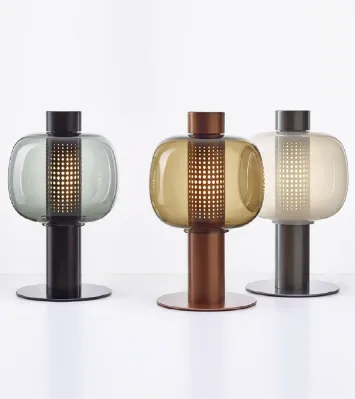
A table lamp in a guest room does far more than hold a bulb. It shapes the first impression of a room, sets the mood after dark, and quietly signals the standard of care a hotel is willing to invest in its guests. Yet for procurement teams and project owners, sourcing these fixtures is rarely simple. Between design, durability, compliance, cost and lead time, the supplier you choose can make or break a project. This article looks at what actually separates a reliable table lamp supplier from the rest of the field in the hospitality market.
In a hotel room, a lamp has two jobs. First, it provides light that is easy on the eyes — enough for reading a menu or finishing a report without glare. Second, it carries atmosphere. A soft, warm glow puts guests at ease, while a sharp, cool beam does the opposite. Because the same fixture performs both roles, its design, build and performance all contribute to guest experience.
Table lamps also carry a resort's or a chain's identity. A minimalist modern property and a classic luxury hotel rarely choose the same silhouette, finish or shade. That is why hospitality buyers increasingly look beyond off-the-shelf stock and ask whether a supplier can adapt a design to fit a specific brand voice.
Competitive suppliers treat each property as its own brief. They should be able to tailor finishes, materials, dimensions and luminous output to the designer's intent. This matters because hospitality lighting rarely comes as a ready-made catalogue fit. A strong partner offers in-house design input, prototyping and color matching, so the final fixture feels native to the space rather than bolted on.
Suppliers with a broad product network hold an advantage here. When one partner can draw on a wider lighting lineup alongside other interior elements, keeping the look consistent across a whole property becomes far easier.
Hotel fixtures face heavier use than home fixtures — moved during housekeeping, switched dozens of times a day and sometimes knocked. A competitive supplier builds for that reality. Solid housings, secure electrical components, stable bases and consistent finishes are not luxuries; they are the difference between a lamp that lasts a decade and one that fails in a season.
Quality should be traceable to process, not luck. The most reliable makers inspect incoming materials, run checks during production and test finished units before they ship. Asking a candidate supplier directly about their inspection steps tells you a great deal about whether the fixtures will arrive consistent.
In a public building, lighting safety is not negotiable. Competitive suppliers provide fixtures that meet recognized regional standards and can produce the supporting documentation. Fire-resistant materials, surge protection and properly rated drivers are all part of the picture. Compliance protects guests and staff, and it protects the project owner from the reputational and legal cost of a preventable incident.
Hospitality lighting runs for long hours, so energy cost compounds quickly. A supplier that specifies high-performance LED sources and efficient drivers helps a property control its utility bill while supporting sustainability targets. Dimmable fixtures and controls that respond to daylight further trim waste. For operators tracking environmental goals, this dimension is now a deciding factor rather than a nice-to-have.
A lamp that looks right but arrives late helps no one. Capacity matters as much as craftsmanship — the factory must be able to hit the volume and timeline the project demands without sacrificing consistency. Buyers should confirm production capacity, raw-material sourcing and contingency plans before committing.
This is where working with a hospitality lighting supplier that also covers other building categories becomes genuinely valuable. When the same partner supplies lighting together with furniture, sanitary fixtures, doors and appliances, procurement consolidates into fewer orders, coordination improves and each shipment makes fuller use of the container. Fewer moving parts usually means fewer surprises.
A lamp is not a disposable item. Competitive suppliers stand behind their products with responsive technical support, spare parts and clear warranty terms. Modular designs that allow a driver or LED module to be replaced instead of the whole unit reduce downtime and long-term cost. The supplier's behavior after the invoice is settled reveals their real commitment to the relationship.
Start by clarifying the goal of the lamp in the room, then evaluate each candidate on design flexibility, material quality, production capacity, safety compliance, energy performance and after-sales support. Review finished samples rather than photos, and ask for references from past hospitality projects. Where possible, install a sample in a mock-up room and let the team judge it before a bulk order.
Finally, consider the broader picture. A partner that offers customization, dependable delivery and consolidated supply across multiple categories is worth more than the cheapest quote. As a one-stop building materials supplier, COLORIA GROUP combines lighting, furniture, sanitary fixtures, doors and appliances under a single roof, with an overseas agent in Saudi Arabia and decades of industry experience supporting projects around the world. When table lamps and everything around them come from one accountable source, guests see the difference — and so does your bottom line.
Choosing the right table lamp partner is ultimately about choosing reliability. Look for the supplier that can design it, build it, certify it and support it — because in hospitality, the details are the brand.
Recommend Products












