
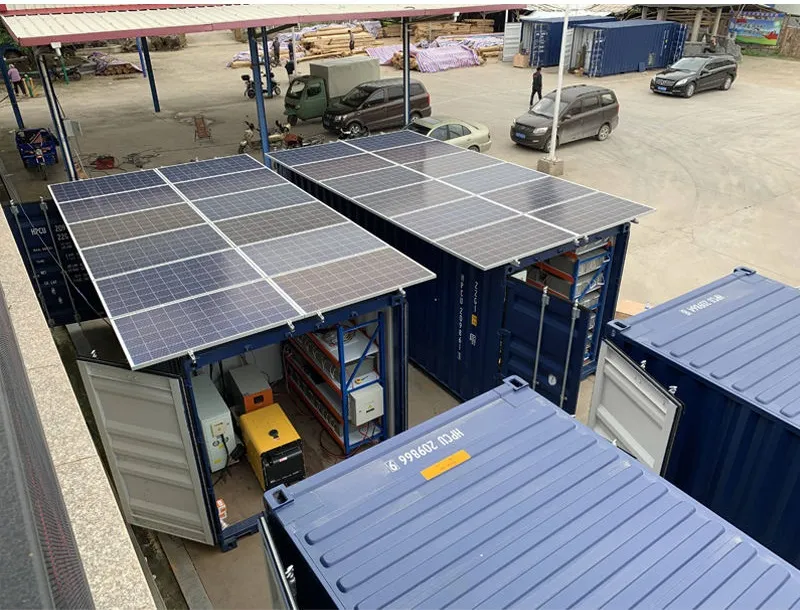
Selecting the right solar panel supplier is one of the most consequential decisions for any construction project, energy developer, or procurement manager. A reliable partner does not just deliver panels — they ensure consistent quality, long-term technical support, and supply chain stability that protects your investment over decades. In an industry where product lifespans commonly exceed 25 years, the supplier you choose today will shape your project’s performance well into the future.
A solar panel supplier’s financial health is the first indicator of long-term reliability. Companies with weak balance sheets may struggle to honor warranties, maintain consistent production, or invest in quality upgrades. When evaluating a solar panel china supplier, look for evidence of steady operational history, diversified product lines, and sustained market presence. Suppliers with multi-category business models — such as those covering walls, flooring, pipes, and electrical systems in addition to solar — are often more resilient because their revenue streams are not dependent on a single product category.
Established building materials companies that have expanded into solar panels bring decades of industry experience and supply chain expertise. This track record translates into more reliable procurement planning, better logistics coordination, and stronger after-sales support for long-term partners.

Quality in solar panels is not determined at final inspection — it is built step by step through the manufacturing process. A trustworthy solar panels supplier should maintain rigorous quality control at every stage: raw material screening, cell efficiency testing, lamination control, environmental simulation, and final performance calibration. Certifications such as ISO 9001, IEC 61215, and IEC 61730 provide objective evidence that a supplier adheres to internationally recognized quality standards.
Beyond certifications, buyers should evaluate the supplier’s manufacturing infrastructure. Key questions include:
A supplier that demonstrates strength in all three areas is far more likely to deliver reliable performance over the full lifecycle of a solar installation.
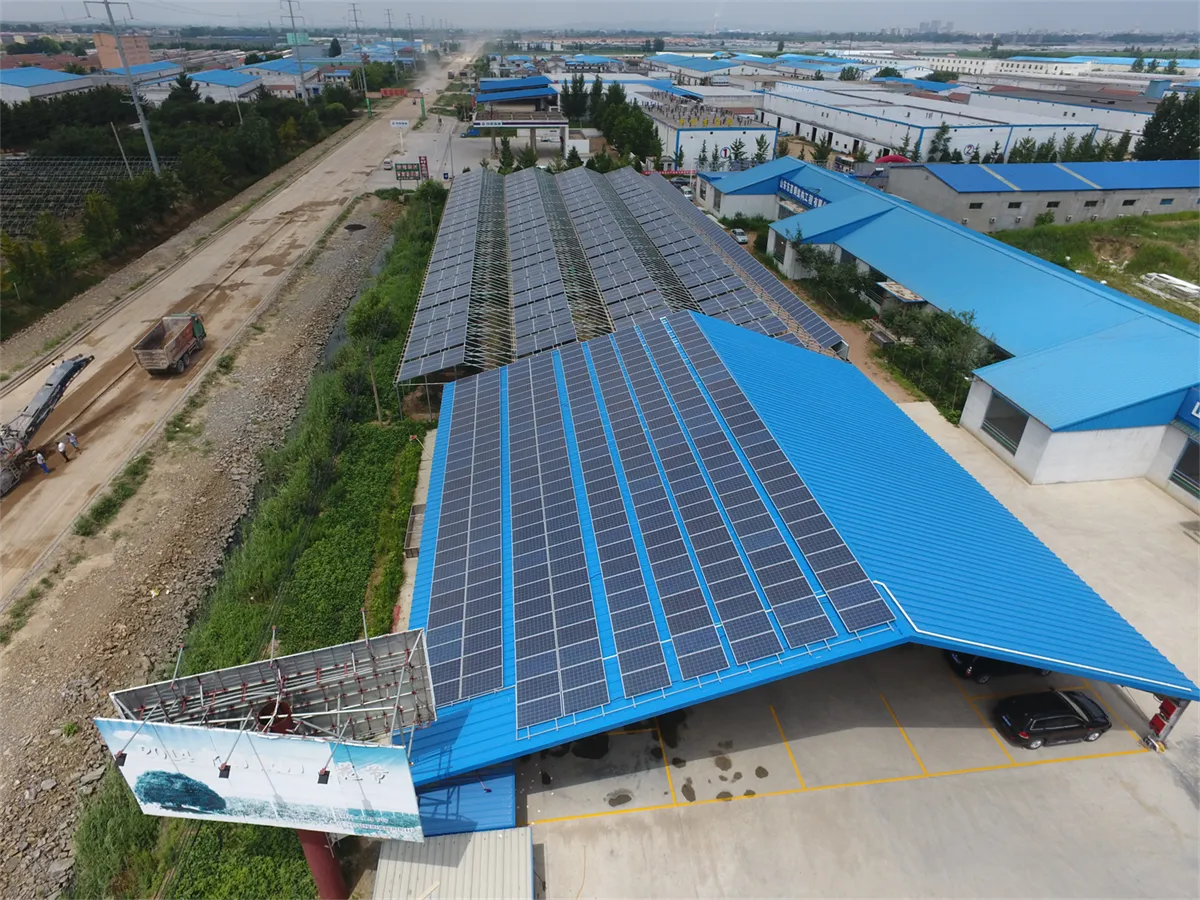
One of the most impactful decisions in solar procurement is whether to buy solar panels direct from manufacture or go through intermediary trading channels. Working directly with a factory-based supplier offers several clear advantages: more consistent product specifications across batches, faster technical communication during project planning, reduced risk of documentation gaps, and better adaptation to custom engineering requirements.
For multi-phase projects or large-scale installations, the ability to communicate directly with the engineering and production team is invaluable. It ensures that technical adjustments can be made quickly and that quality standards remain consistent from the first shipment to the last.
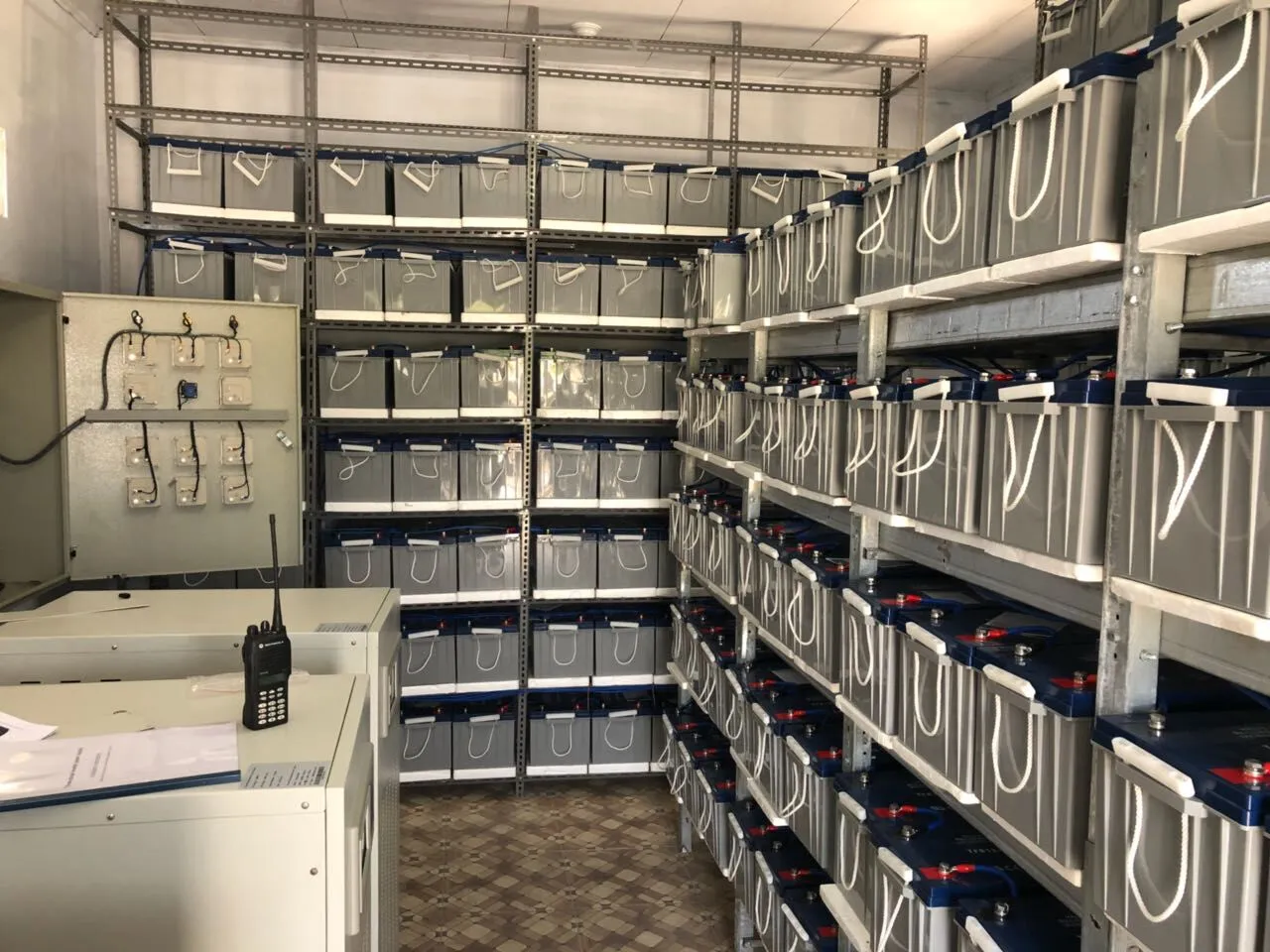
A supplier that offers a broad product range beyond just solar panels brings unique advantages to long-term partnerships. When a single supplier can provide walls, flooring, ceilings, pipes and fittings, sanitary fixtures, customized furniture, windows and doors, electrical systems, elevators, lighting, and solar panels, project coordination becomes significantly more efficient. Procurement teams can consolidate orders, streamline logistics, and maintain a single point of contact for technical support across multiple product categories.
This one-stop approach is particularly valuable in the Middle East, Africa, and Southeast Asia, where construction projects often require diverse building materials sourced from a single reliable partner. Suppliers with established agent networks in key regions — such as Saudi Arabia — can further enhance service quality by providing localized support, faster response times, and deeper understanding of regional regulatory requirements.
Solar panel procurement is inherently global, and logistics capability is a critical yet often overlooked factor in supplier reliability. A dependable supplier should have well-established export routes, complete documentation packages, and the ability to coordinate multi-site deliveries. China remains the world’s dominant solar manufacturing hub, with mature upstream and downstream supply networks that enable scalable production and efficient global shipping.
When evaluating suppliers, ask about their export experience, typical lead times, and how they handle customs clearance and documentation. A supplier with a proven track record of international deliveries can help you avoid costly delays and ensure that your project stays on schedule. Supply chain transparency — including raw material traceability and ethical sourcing practices — is also increasingly important for project financing and corporate ESG compliance.
Warranty terms are a direct reflection of how much confidence a supplier has in its own products. Reputable solar panel suppliers typically offer a product warranty of 10 to 25 years and a performance warranty that guarantees at least 80% of rated output after 25 years. When comparing warranty terms, pay close attention to the fine print — coverage exclusions, claims procedures, and whether the warranty is backed by the manufacturer directly or through third-party insurance.
Equally important is the quality of after-sales support. Reliable suppliers provide:
A supplier that treats the sale as the beginning of a relationship — rather than the end of a transaction — is the kind of partner you want for projects that span years or decades.
The most reliable solar panel suppliers are those that view their role as long-term partners in the energy transition, not just product vendors. These companies continuously invest in their teams, develop talent pipelines, and prepare staff for future leadership roles. They stay ahead of technology trends — from improved cell architectures to enhanced temperature resistance and reduced degradation rates — and proactively share knowledge with their partners.
Look for suppliers that demonstrate sustained commitment to the building and energy sectors through consistent product innovation, geographic expansion, and investment in manufacturing capabilities. A supplier that has weathered market cycles and maintained steady growth is far more likely to be there when you need them — not just for your current project, but for all the projects that follow.
Building Partnerships That Last
The difference between a transactional supplier and a reliable long-term partner comes down to a few fundamentals: financial strength, manufacturing quality, direct factory access, comprehensive product range, logistics capability, transparent warranty terms, and a genuine commitment to the industry. By evaluating potential suppliers across these seven dimensions, procurement professionals can make informed decisions that protect their investments and support successful project outcomes.
In an era of rapid global infrastructure development and accelerating energy transition, choosing the right solar panel supplier is not just a purchasing decision — it is a strategic move that shapes the trajectory of your business for years to come.
Recommend Products












