
When buyers source electrical fixtures & cables from an overseas supplier, most of the attention goes to product quality, price and certification. Logistics tends to be an afterthought — until a shipment is delayed at the port, a reel of cable arrives with a crushed flange, or the customs paperwork turns out to be incomplete. For anyone planning a construction or infrastructure project, the way a supplier handles shipping is just as important as the products themselves.
A reliable electrical fixtures & cables supplier does not simply load goods onto a truck and hope for the best. Behind every smooth delivery there is a set of logistics solutions designed to protect the goods, keep costs predictable and get materials to the site on time. This article breaks down the logistics services that buyers should expect — and how a supplier like COLORIA GROUP supports projects across the Middle East, Asia, Africa and beyond.
Cables and electrical fixtures are not like ordinary boxes of consumer goods. A drum of medium-voltage cable can weigh hundreds of kilograms, and its weight is distributed unevenly around the reel. If the drum is not braced correctly, it can shift during a voyage and damage both the cable and the container. Switches, sockets, distribution boxes and lighting fixtures are more fragile — a hard knock in a port terminal can crack a housing or bend a terminal, and the defect may not be visible until the electrician opens the carton on site.
Because of this, logistics for electrical products is about more than moving volume. It is about choosing the right transport mode, packaging each item for the journey it will actually take, and documenting everything so that customs clearance goes smoothly. A supplier that treats all orders the same way will struggle to deliver electrical goods intact.
For most international orders of electrical fixtures and cables, sea freight is the default choice. It offers the lowest cost per unit, which matters when a project needs kilometres of cable or hundreds of distribution boxes. Buyers typically choose between two options:
Full container load (FCL). When an order fills a 20-foot or 40-foot container, the buyer gets a dedicated container that travels directly to the destination port. FCL is ideal for large projects where the goods are ordered in bulk and the buyer wants to control the entire container. It also reduces handling — the container is sealed at the factory and opened at the destination, which lowers the risk of damage and theft.
Less than container load (LCL). For smaller orders, LCL shares container space with other cargo. The buyer pays only for the volume their goods occupy. LCL is a practical starting point for first-time buyers or for topping up stock between larger shipments. The trade-off is extra handling at consolidation warehouses, so robust packaging becomes even more important.
A good supplier will recommend the right option rather than simply pushing the most expensive one. For a first order of a few pallets of cable and fixtures, LCL keeps the budget in check; for a full project rollout, FCL gives better control and a lower per-unit cost.
Not every order can wait for a sea voyage. When a project is behind schedule, a critical component fails, or a client needs a small urgent batch of switches and sockets, air freight can move goods from the factory to the destination in days rather than weeks. Air freight is also a sensible choice for high-value, low-volume items where the cost of shipping is small compared with the value of the goods.
Most suppliers use air freight as a complement to sea freight rather than a replacement. The two work together: sea freight handles the bulk of the order at a low cost, while air freight covers urgent or high-value items that cannot wait. Buyers should ask their supplier whether they can split an order this way — it is a simple way to balance cost and speed.
The difference between a shipment that arrives intact and one that arrives damaged is often decided by packaging. For electrical products, this means several things in practice:
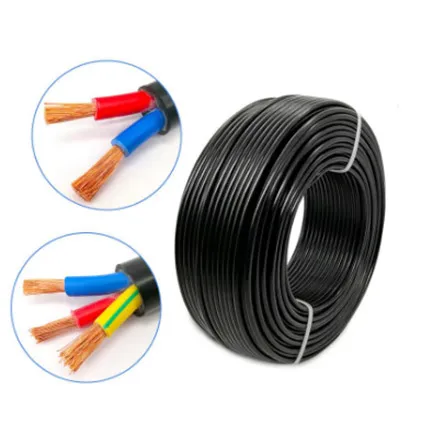
Cable reels. Reels should be wound tightly, with the cable end secured so it cannot unwind. The reel itself should be braced inside the container to stop it rolling or shifting. Wooden reels need to be dry and free of pests, because many countries require fumigation certificates for timber packaging.
Fixtures and accessories. Switches, sockets, distribution boxes and lighting fixtures should be individually wrapped and packed in sturdy cartons with sufficient cushioning. Fragile items need extra protection against stacking pressure, because containers are often stacked several pallets high.
Moisture protection. A sea voyage can take weeks, and containers pass through humid climates. Desiccant bags, moisture barriers and sealed cartons help keep terminals and metal parts free of corrosion. This is a detail that separates experienced exporters from newcomers.
Buyers should not hesitate to ask a supplier about their packaging standards before placing an order. A supplier that can explain how it protects cable reels and fixtures during transit is usually a supplier that has learned these lessons the hard way — and that experience benefits the buyer.
Cross-border shipping lives and dies by paperwork. A single missing document can hold a container at the port for days, adding demurrage charges and delaying the whole project. A professional supplier prepares the full export documentation set, including the commercial invoice, packing list, bill of lading or airway bill, certificate of origin and any product certificates required by the destination country.
Clear communication on Incoterms is part of this. Whether the buyer prefers FOB, CIF, CFR or DDP, both sides need to agree on where responsibility transfers — who arranges the main carriage, who pays for insurance, and who handles customs at the destination. A supplier that walks the buyer through these terms and explains the cost implications at each step makes the process far less stressful, especially for first-time importers.
Once the goods are on the water, the buyer's next worry is knowing where they are. A dependable supplier provides regular updates: when production finishes, when the goods are loaded, when the vessel departs, and when the shipment is expected to arrive. In practice this means sharing the booking confirmation, the bill of lading and the estimated arrival date, and being reachable when the buyer's logistics team has questions.
This level of communication matters most when things go wrong — a vessel is delayed, a port is congested, or a document needs correcting. Buyers should look for a supplier that treats these situations as a shared problem rather than a reason to go quiet.
Logistics planning starts long before the goods are loaded. Production time, packaging, inland transport to the port, the sea voyage and customs clearance all add up. A realistic supplier will give the buyer a clear picture of the total lead time and flag any steps that could cause delays, rather than promising an impossible delivery date to win the order.
For buyers, the practical advice is simple: order early, confirm the schedule in writing, and keep a small buffer in the project timeline. Electrical fixtures and cables are usually on the critical path of a construction project — they are needed before the building can be energised, so a delay in shipping becomes a delay in handover.
One advantage of working with a broad building materials supplier is the ability to consolidate. Instead of arranging separate shipments for cables, lighting, distribution boxes and other materials from different vendors, a buyer can combine them into a single container and a single set of shipping documents. This reduces freight cost, simplifies customs clearance and cuts the number of suppliers the buyer has to manage.
COLORIA GROUP applies this approach across its product range. Alongside electrical fixtures & cables solutions, the company supplies walls, flooring, ceilings, pipes and fittings, sanitary fixtures, customized furniture, home and hotel appliances, windows and doors, decorative profiles, elevators, lights and solar panels. For a buyer planning a full project, this means one supplier, one point of contact and one consolidated shipment — a logistics advantage that goes far beyond the products themselves.
When comparing cables suppliers, logistics capability deserves as much attention as price. A few questions help separate the professionals from the rest:
Can the supplier explain how it packages cable reels and fragile fixtures for export? Does it offer both FCL and LCL, and can it recommend the right one for the order size? Does it prepare the full export documentation set and explain Incoterms clearly? Will it provide tracking updates through the whole journey? Can it consolidate electrical products with other building materials in a single shipment?
A supplier that answers these questions confidently is one that treats logistics as part of the product, not an afterthought. That is the kind of partner that keeps projects on schedule and budgets intact — from the first container to the final handover.
Recommend Products












