
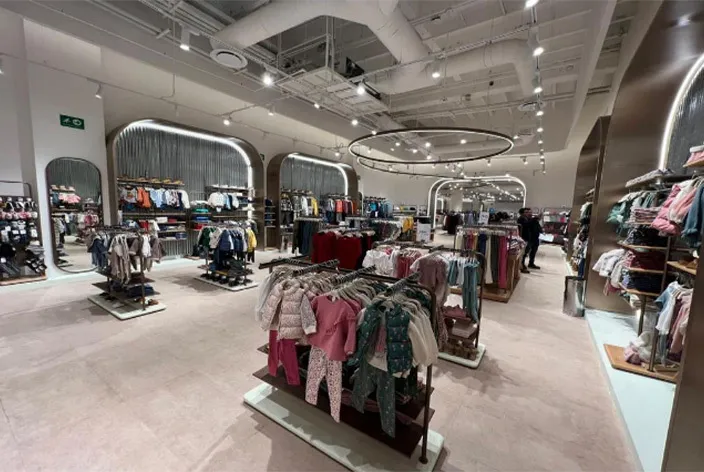
Walking into any retail space or warehouse, you feel lighting before you see it. That perfect glow wrapping around products? That's no accident - it's cold, hard cash at work. As a china lighting manufacturer insider told me, "Lighting makes or breaks customer experience, but breaks budgets too." So let's flip the switch on what's driving prices.
| Lighting Type | Installation Cost | Energy Cost/Month | Lifespan (Years) |
|---|---|---|---|
| LED Lighting | $1,200-$2,500 | $18-$30 | 10-15 |
| Fluorescent | $800-$1,600 | $75-$110 | 3-7 |
| Halogen | $600-$1,200 | $140-$200 | 1-3 |
*Costs vary by region and supplier markup
So why does led lighting command premium prices? Let me break it down like a warehouse foreman breaking down pallets:
Premium LED chips last 50,000+ hours. Bargain-bin versions? They flicker out before your lease renews.
Good heat sinks add $3-$8 per fixture but prevent meltdowns during summer sales.
Motion sensors and daylight harvesting tech add 20-35% upfront but slash long-term bills.
IP65-rated fixtures survive forklifts and mop buckets. Cheap alternatives? They're basically disposable.
A lighting distributor in Riyadh explained it brutally: "I see businesses choose $10 fixtures that need $100 replacements every year. That's like buying leaky buckets to carry water."
Here's what lighting experts predict for next year's budgets:
The irony? As a commercial lighting designer noted: "Businesses will spend less per bulb but more per smart system. That light switch your grandpa knew? It's becoming as rare as a payphone."
Before you sign that quote, remember these real-world tactics from lighting veterans:
Order during Q1 factory rebounds (Feb-Mar) when Chinese manufacturers clear inventory. One buyer snagged 40% discounts by coordinating with neighboring stores.
"Don't replace every fixture," advises a mall facilities manager. "Use LED for high-use areas, keep fluorescents in stock rooms. Saved us $17,000 on a 100,000 sq ft retrofit."
A saudi arabia lighting supplier confessed: "We add 50-70% markup on specialty items. Savvy buyers go straight to factories for custom orders."
When that glossy quote arrives, ask about these budget-killers:
Utilities charge extra for inefficient lighting loads. A 0.87 vs 0.98 power factor can mean $1,200/year extra on warehouse lighting.
Tossing old fluorescents? Mercury disposal costs $0.50-$2 per bulb. That's $5,000 to clear a supermarket's fixtures.
After-hours installs add 30-50% premiums. One retailer paid $8,000 extra to avoid disrupting holiday shoppers.
As the owner of a lighting installation crew told me: "We don't make money on the fixtures. We make it on the things customers never think about."
Here's the unvarnished truth from a decade in the lighting industry: Your shop lighting bill isn't just climbing - it's transforming. We're moving from buying bulbs to buying systems. That $500 quote for replacement LEDs? Child's play compared to integrated smart environments where lighting talks to HVAC and security systems.
The winners in 2025 won't chase the cheapest fixtures. They'll embrace total-cost thinking: factoring in energy penalties, maintenance nightmares, and how lighting impacts sales. A boutique owner shared her epiphany: "Spending 30% more on museum-grade LEDs made jewelry sparkle like Instagram photos. Sales jumped enough to repay the upgrade in 4 months."
So when weighing prices, ask yourself: Am I buying illumination... or atmosphere, efficiency, and customer experience? Because that's what modern lighting really costs.
Recommend Products












