
Your ultimate guide to understanding Bali Stone trends, costs, and value for your kitchen renovation.
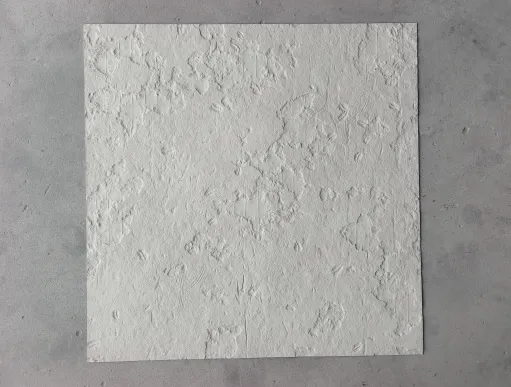
Countertops are no longer just functional surfaces; they're the soul of modern kitchens. Bali stone, hailing from Indonesia's volcanic landscapes, brings the raw beauty of nature into homes. You get unique mineral patterns – streaks of deep grays, warm rust tones, and earthy greens that no two slabs replicate.
Designers love this stone for its organic textures . Unlike mass-produced quartz, Bali stone feels alive. Each countertop tells a geological story, adding character that elevates even minimalist kitchens. But what truly excites homeowners? Its affordability compared to Italian marble or rare granites.
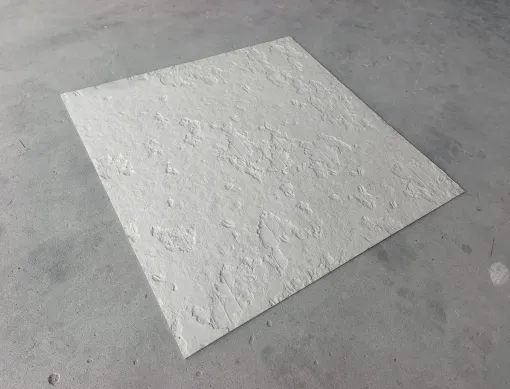
Materials start at $75-$125 per square foot for mid-range quality. Premium-grade slabs with dramatic veining or rare colors hit $160-$220/sf.
Installation adds $35-$85/hour depending on complexity. Edge treatments (like waterfall or mitered finishes) increase labor time and cost.
• Materials: $75-$95/sf
• Thickness: 2cm
• Finish: Honed
• Best for: Low-traffic kitchens
• Materials: $100-$140/sf
• Thickness: 3cm
• Finish: Polished
• Includes: Basic edge profiling
• Materials: $160-$220/sf
• Thickness: 3cm+
• Finish: Leather/Antique
• Perks: Rare color variations
1. Quarry Origin : Stone from Bali's central mountains costs 15-20% less than coast-mined variants prized for salt-tinged hues.
2. Veining Intensity : "Storm" patterns with high-contrast mineral deposits add $30-$50/sf premiums.
3. Sealer Quality : Industrial-grade impregnating sealers (recommended for Bali stone) add $4-$7/sf but extend longevity.
Price
: Bali stone averages $30/sf less than exotic granites
Uniqueness
: Bali offers organic patterns; granite leans flecked
Maintenance
: Both require sealing; Bali develops patina faster
Price
: Comparable to mid-tier quartzite
Heat Resistance
: Bali handles heat better than quartzite
Durability
: Quartzite edges out for scratch resistance
Price
: Bali often costs less than luxury quartz brands
Appearance
: Authentic vs. engineered patterns
Eco-Factor
: Bali is 100% natural; quartz uses resins
Note: Sustainability-conscious buyers love Bali stone's low carbon footprint. Unlike some solar panels whose manufacturing involves rare minerals, natural stone extraction has minimal processing.
Bali stone sits at 6.5 on the Mohs hardness scale – harder than marble but softer than granite. You'll need to:
• Seal annually using nano-pore sealants ($120-$200 professional application)
• Avoid acidic spills (lemon juice, vinegar) to prevent etching
• Use coasters religiously ; tannins in wine or coffee cause stubborn stains
Well-maintained Bali stone counters last 25+ years and boost home resale value. Expect 70-85% ROI – better ROI than stainless steel or concrete options.
• Kitchen islands wanting show-stopping focal points
• Bathroom vanities in humidity-controlled spaces
• Outdoor kitchens in covered areas (seal every 6 months)
• You're a frequent entertainer with heavy red wine use
• Your household includes young children (high-impact risk)
• You dislike natural patina development over time
1. Demand Templating : Bali stone veins require precise alignment for visual flow.
2. Reinforce Cabinets : 3cm slabs weigh 19lbs/sf; ensure substructures handle weight.
3. Full Slabs Only : Seamed Bali stone disrupts pattern continuity.
"I always budget 15% extra for Bali projects," says Liam Chen, a California-based countertop installer. "The cutting waste is higher when matching dramatic veins across sections."
Recommend Products












