

When sourcing wood grain stone for an international construction or renovation project, one of the first questions buyers ask is: "What is the minimum order quantity?" Understanding MOQ (Minimum Order Quantity) is critical — it directly affects your budget, project timeline, and supplier selection. This guide explains what to expect from a wood grain stone supplier and how to navigate MOQ requirements for international orders.
MOQ, or Minimum Order Quantity, is the smallest volume a supplier is willing to produce or ship in a single order. For wood grain stone — a decorative material that mimics the natural texture of wood while offering the durability of stone — MOQ is driven by production economics and shipping logistics rather than arbitrary factory policies.
Wood grain stone is typically manufactured in batches. Setting up production lines involves calibrating molds, mixing color pigments, and adjusting pressing parameters to achieve the desired wood-like veining pattern. Each setup cycle takes time and consumes raw materials. When an order is too small, the factory cannot recover these setup costs, which is why suppliers set minimum thresholds.
Additionally, international shipping economics play a major role. Wood grain stone is heavy and dense. A half-empty container costs nearly as much to ship as a full one, making small orders disproportionately expensive on a per-unit basis. For this reason, most building material supplier networks recommend filling at least a 20-foot container to achieve cost-effective freight rates.
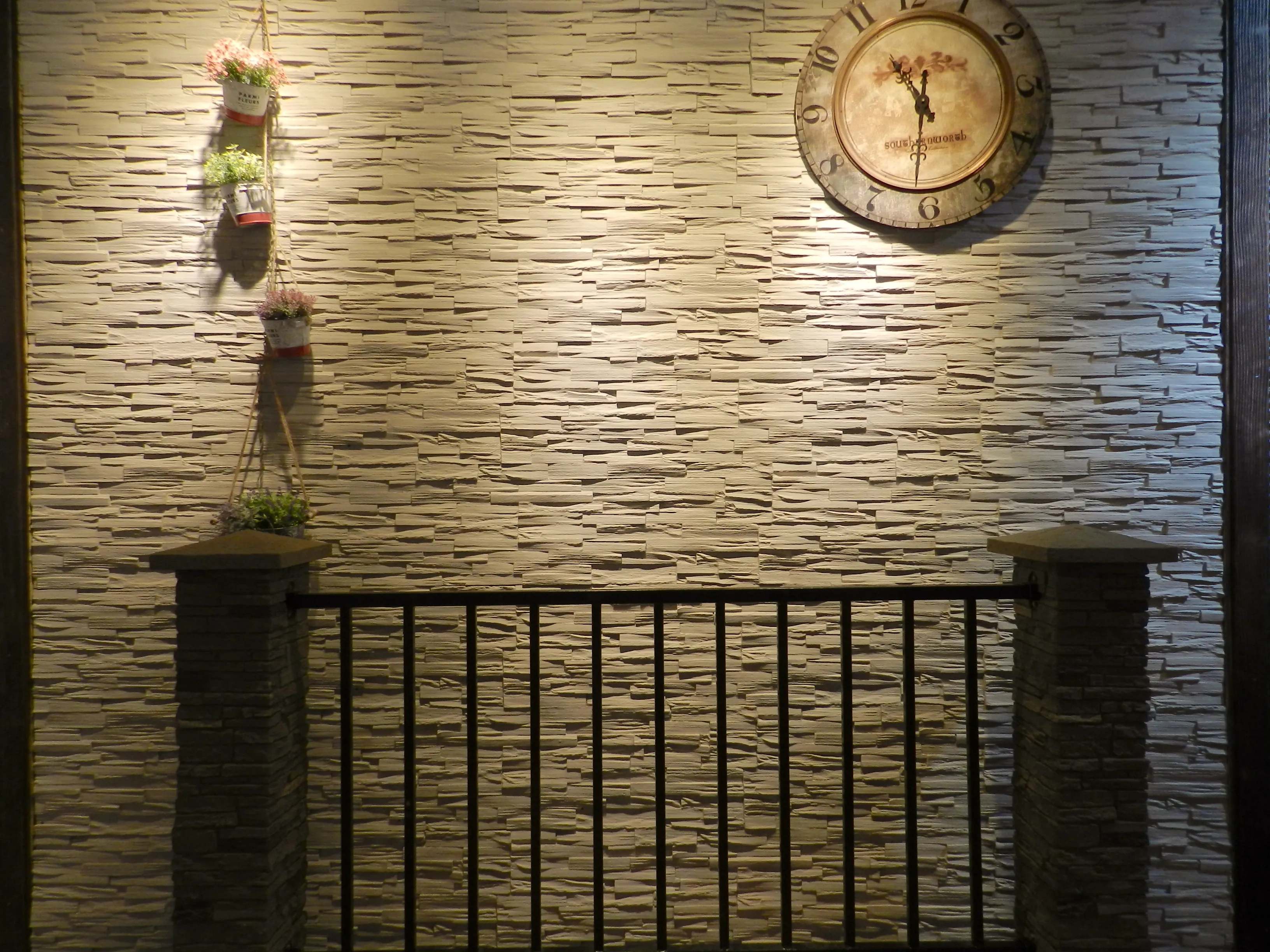
MOQ figures vary depending on the supplier type — whether you are working with a direct factory, a trading company, or a one-stop architectural solution provider like COLORIA GROUP. Here are the typical ranges you can expect:
| Supplier Type | Typical MOQ | Notes |
|---|---|---|
| Direct Factory | 500–1,000 m² (1–2 containers) | Best pricing; limited flexibility on small orders |
| Trading Company | 100–300 m² | More flexible; 10–20% price premium |
| One-Stop Solution Provider | Project-based (flexible) | Consolidates multiple products; ideal for mixed orders |
| Sample Orders | 5–20 pieces or 10–30 m² | Higher per-unit cost; shipped by air courier |
For custom wood grain stone — such as specific color matching, custom dimensions, or unique surface finishes — the MOQ is generally higher. Custom production requires dedicated mold setup and color calibration, pushing the minimum to approximately 300–500 m². Standard catalog items, by contrast, often have lower thresholds because they can be produced alongside other orders.
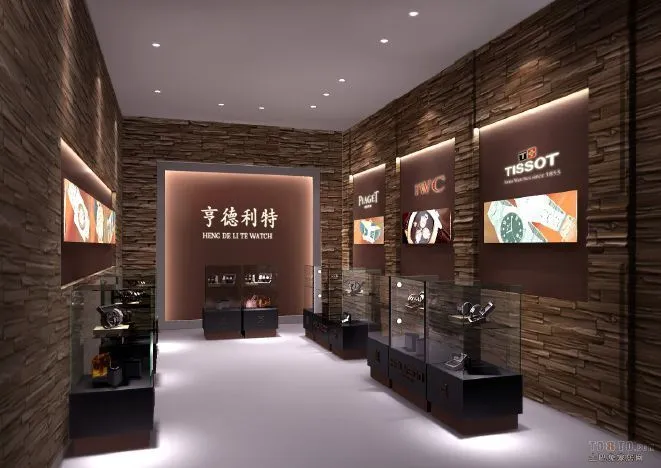
Several factors determine the MOQ a wood grain stone supplier will quote:
Product Type and Complexity: Standard wood grain stone panels with common dimensions (e.g., 600×1200 mm) have lower MOQs. Custom sizes, unusual thicknesses, or specialty finishes like leathered or brushed surfaces require dedicated production runs and therefore higher minimums.
Raw Material Availability: Wood grain stone relies on specific raw materials — natural stone powders, pigments, and binding agents. If a particular color or texture requires rare raw materials, the supplier may set a higher MOQ to justify procurement and storage costs.
Shipping Efficiency: A 20-foot container can hold approximately 500–600 m² of wood grain stone panels, depending on thickness and packaging. Suppliers prefer orders that fill at least one container to avoid the inefficiency of LCL (Less than Container Load) shipping, which costs roughly 40% more per unit.
Supplier Business Model: A specialized factory producing only wood grain stone tends to have higher MOQs. In contrast, a one-stop architectural solution provider that sources multiple product categories can consolidate different items into one shipment, effectively lowering the MOQ for each individual product line.
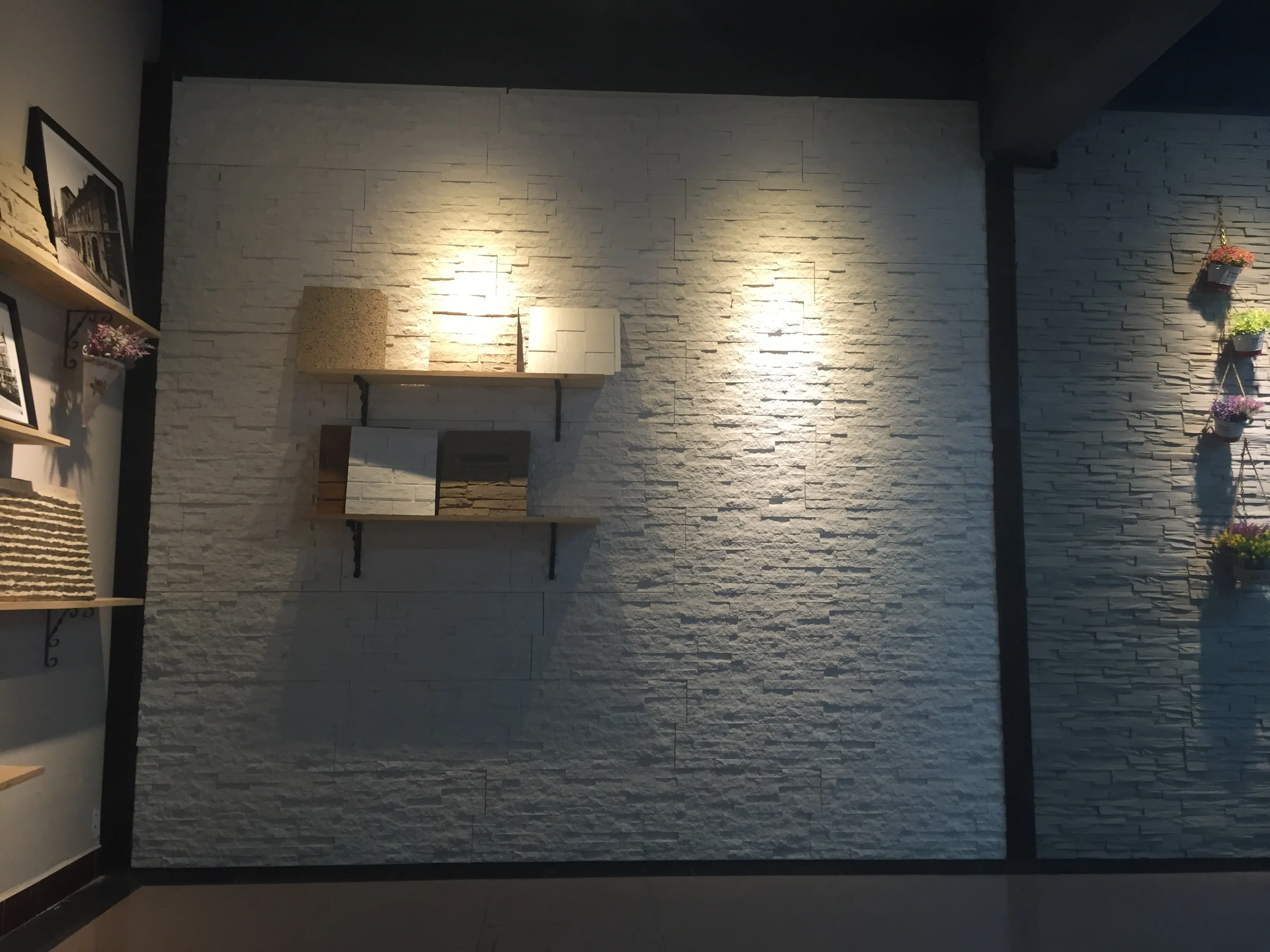
If your project requires a quantity below the stated MOQ, there are several practical strategies to negotiate more favorable terms:
Consolidate Multiple Products: Instead of ordering wood grain stone alone, bundle it with other building materials — such as flooring, wall panels, or sanitary ware — from the same supplier. This approach is especially effective when working with a comprehensive building material supplier that can provide a full project package. The combined volume often meets the supplier's minimum, and you benefit from simplified logistics.
Choose Standard Catalog Items: Standard products in regular dimensions almost always have lower MOQs than custom pieces. If your design allows, selecting from a supplier's existing catalog can significantly reduce the minimum order requirement.
Accept a Small-Order Surcharge: Many suppliers are willing to accept orders below their standard MOQ if the buyer agrees to a 10–20% price premium. This covers the supplier's setup costs and makes the transaction viable for both parties.
Request a Trial Order: For first-time buyers, some suppliers offer trial orders of 50–100 m² as a relationship-building gesture. While the per-unit price is higher and shipping is less efficient, this allows you to evaluate product quality and supplier reliability before committing to a full container.
Plan for Future Orders: If you anticipate recurring demand, communicate this to the supplier. A commitment to quarterly or annual ordering volumes can persuade them to lower the initial MOQ, knowing that long-term business value outweighs the smaller first order.
Beyond MOQ, international buyers should understand the typical lead time and payment structure for wood grain stone orders:
| Stage | Estimated Time |
|---|---|
| Sample Preparation | 5–10 days |
| Production (after deposit) | 20–35 days |
| Container Loading & Documentation | 5–7 days |
| Sea Freight (to Middle East / Europe) | 20–45 days |
| Total Door-to-Door | 50–85 days |
For payment, the standard international B2B structure is a 30% T/T deposit to initiate production, with the remaining 70% paid before shipment. For larger or recurring orders, buyers may negotiate a Letter of Credit (LC) at sight, which provides additional security for both parties. It is always advisable to request a pre-shipment inspection — either through the supplier's own QC team or a third-party agency — before releasing the final payment.
Managing multiple suppliers for different building materials — tiles, sanitary ware, decorative profiles, lighting, and furniture — can quickly become overwhelming. Each supplier has its own MOQ, lead time, payment terms, and quality standards. This fragmentation often leads to project delays, inconsistent quality, and higher logistics costs.
A one-stop architectural solution provider like COLORIA GROUP eliminates these headaches. By consolidating your entire material list under one supplier, you benefit from:
COLORIA GROUP, headquartered in Foshan — the heart of China's building materials industry — offers a comprehensive range of products across 13 categories, including wood grain stone, walls, flooring, sanitary ware, customized furniture, windows and doors, lighting, and more. With an overseas agent in Saudi Arabia and decades of industry experience, COLORIA GROUP is well-positioned to serve international buyers across the Middle East, Europe, Africa, and beyond.
Understanding MOQ is essential for any international buyer sourcing wood grain stone. While direct factories typically require 500–1,000 m² per order, working with a wood grain stone supplier that offers project-based consolidation can provide the flexibility needed for projects of all sizes — from boutique hotels to large-scale commercial developments.
By consolidating your material needs, negotiating smartly, and planning your procurement timeline, you can secure high-quality wood grain stone at competitive prices without being constrained by rigid MOQ requirements. Whether you are sourcing for a single residential villa or a multi-building commercial complex, the key is finding a partner that understands your project's unique requirements and has the supply chain capability to deliver.
For more information about wood grain stone and other building materials, visit COLORIA GROUP — your one-stop solution for building materials.
Recommend Products












