


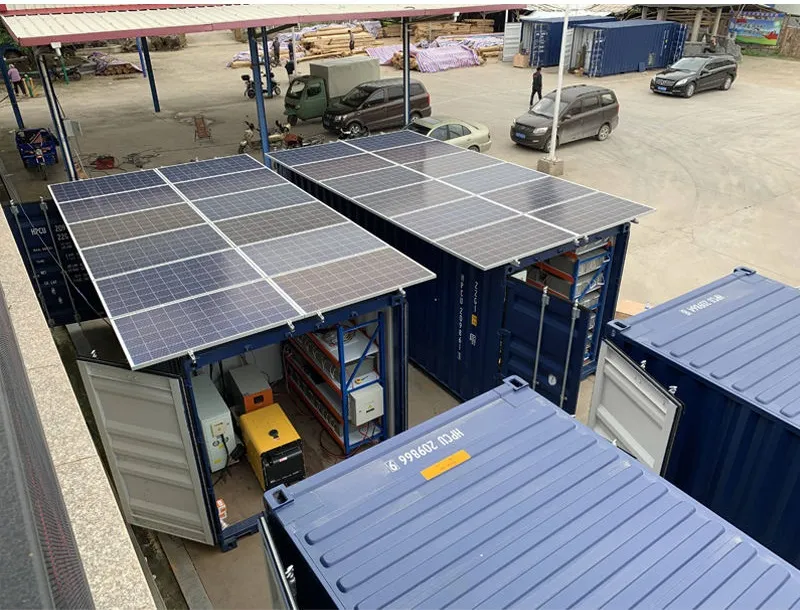
Hey there, sunshine lovers! So you've made the fantastic decision to go solar - awesome choice! But now you're wondering... how long can I actually expect these shiny panels to last? Is this a 5-year fling or a lifelong commitment? Don't sweat it; we're about to shed some light on everything solar panel longevity.
Picture this: you invest in solar panels today, and they quietly sit on your roof, working their magic for decades. They soak up the sun like beachgoers in July, silently turning photons into power for your home. But let's be real - nothing lasts forever, right? So what's the real deal with solar panel lifespan? Buckle up as we explore the sunny journey your panels take from installation to retirement.
Your Solar Investment Calendar
First things first - the golden number you'll hear everywhere is 25 years . Yeah, most solar panels come with a standard 25-year warranty, but that's not some arbitrary number plucked out of thin air. Manufacturers don't just go "Hmm, 25 sounds good" when planning their warranties.
Here's what happens behind the scenes: solar panels degrade very slowly over time. It's like how your favorite jeans fade after hundreds of washes. But while your jeans might become threadbare, solar panels just become slightly less efficient at converting sunlight to electricity. Even after that quarter-century mark, they don't suddenly quit like an employee at retirement age - they keep working, just not quite as hard as they used to.
That degradation rate we mentioned? It's the speed at which your panels lose efficiency. Picture it like a car losing fuel efficiency over the years - it still runs, it just doesn't go as far on a tank of gas. The good news? Most high-quality panels have incredibly low degradation rates - we're talking only about 0.3% to 0.8% per year for most residential systems.
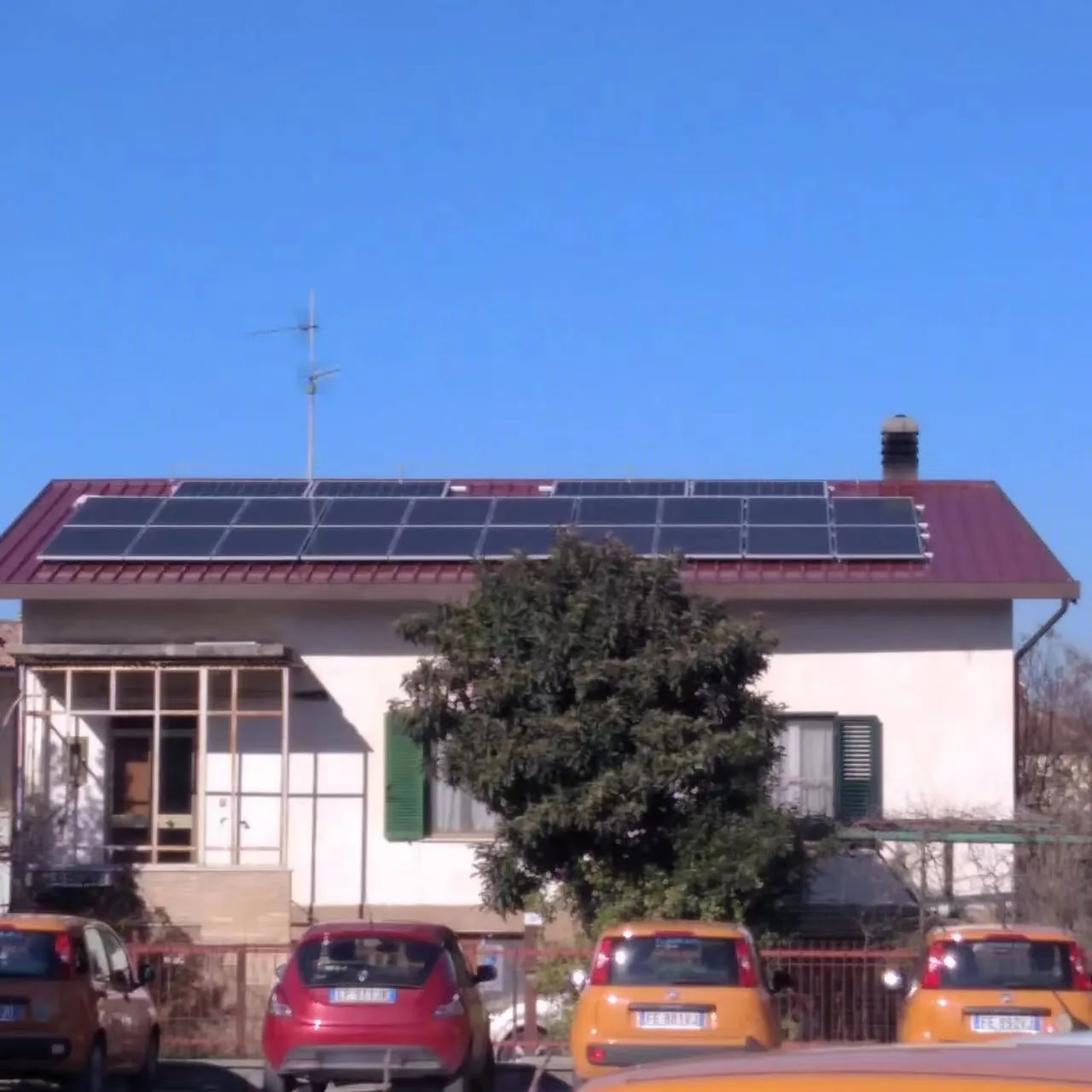
Breaking Down the Degradation Drama
Okay, let's geek out for a minute on this degradation business. What's actually happening to your panels up there? Well, several factors team up against their efficiency:
- Weather Warriors: Your panels face downpour after scorching heat, hailstorms that sound like drum solos on your roof, and freeze-thaw cycles that stress materials. Think about how your skin reacts to extreme weather changes - solar panels experience similar expansion and contraction.
- UV Assault: Sunlight gives them life but also slowly breaks them down. Ironically, the very thing that powers them also contributes to their gradual decline.
- Material Fatigue: The complex chemistry inside solar cells gets tired after decades of constant energy conversion.
Here's what that degradation might look like on different quality tiers:
| Panel Tier | Annual Degradation | Efficiency After 25 Years |
|---|---|---|
| Premium Tier 1 | ~0.30% | 93% of original output |
| Standard Tier 2 | ~0.50% | 89% of original output |
| Economy Tier 3 | ~0.80% | 82% of original output |
Practical takeaway: Springing for those premium panels? You might get extra years of great performance. But even standard panels will still be cranking out about 90% of their original juice at the quarter-century mark.
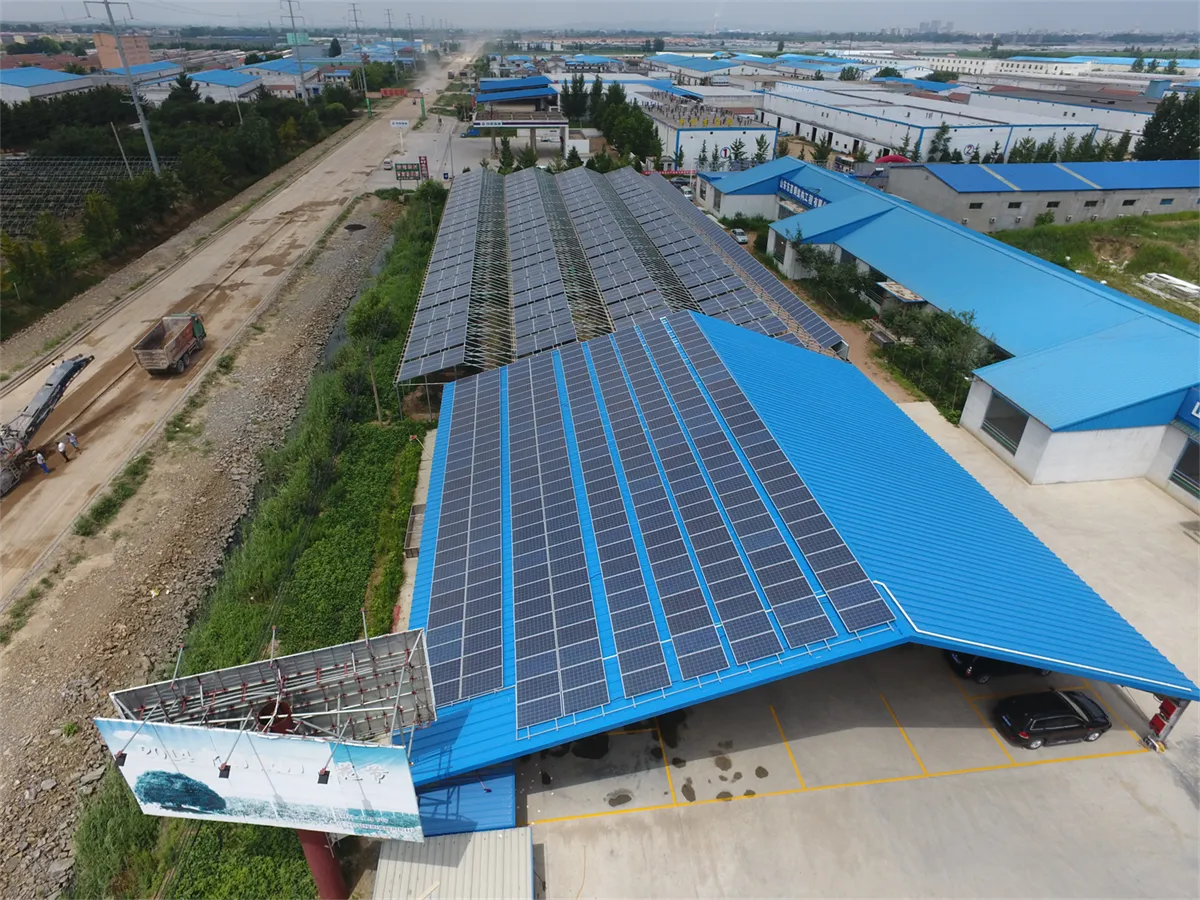
Your System's Supporting Cast
Here's where it gets interesting. When we talk about solar panel lifespan, we're often focusing only on the panels themselves. But your solar system is more like an orchestra than a solo act. And some of the supporting players might need replacing before your panels do:
The Inverter - Think of this as the conductor of your solar orchestra. It converts the DC electricity from your panels into usable AC electricity for your home. Most inverters need replacement every 10-15 years because they work constantly under heavy load.
The Racking System - This is the unsung hero holding everything to your roof. Since it's exposed to the elements 24/7, it often faces corrosion and stress from weather extremes.
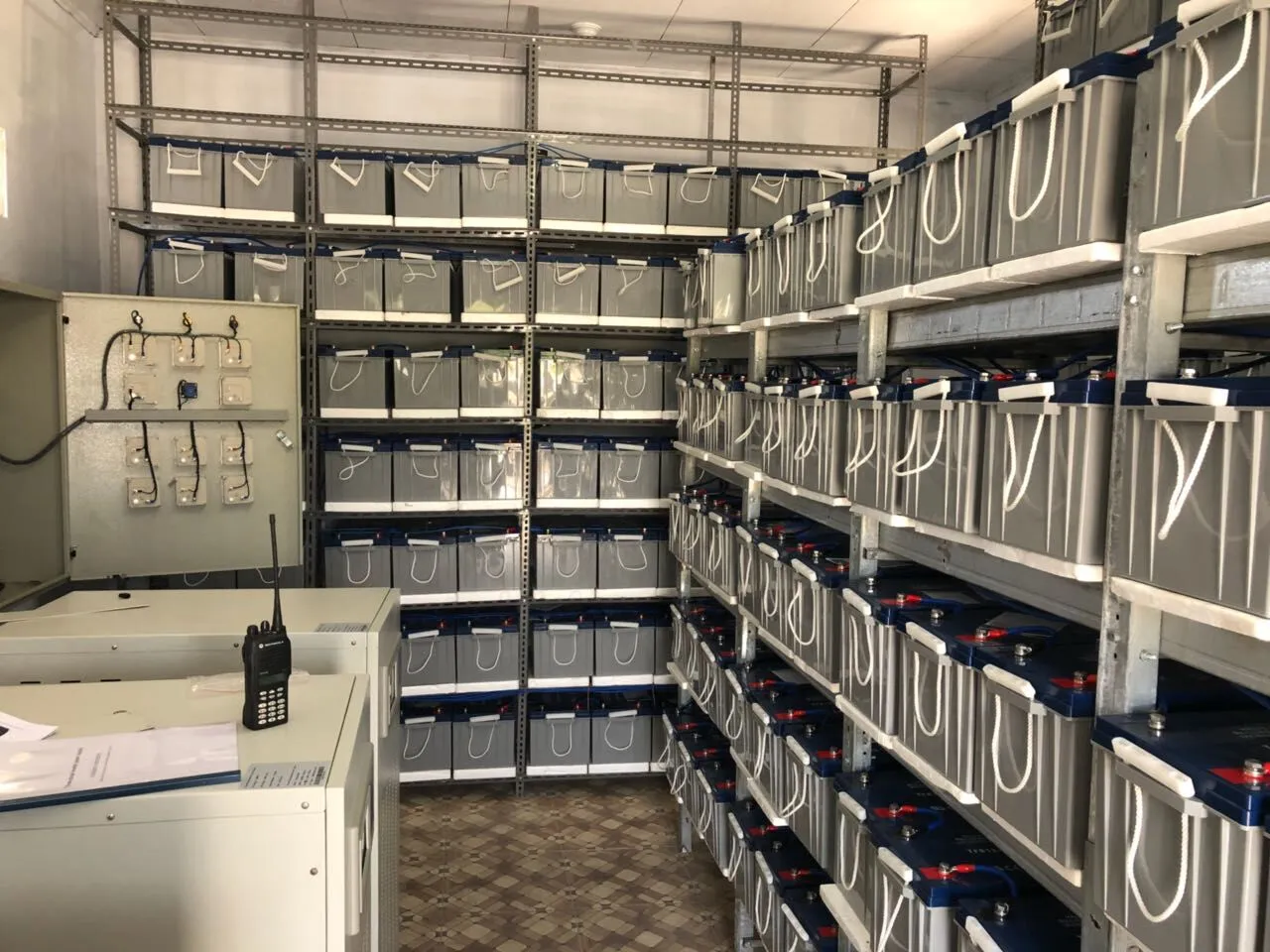
Solar Batteries - If you've got battery storage, these typically last about 10 years. You know how your smartphone battery doesn't hold a charge like it used to after a few years? Same principle.
Pro tip: Sync your solar maintenance with roof replacements. If your roof needs refreshing around the 25-year mark anyway, that's the perfect time to consider panel upgrades.
Your Maintenance Playbook
Want your panels to perform like Olympic athletes well into their golden years? Good news - solar maintenance isn't rocket science. Here's your straightforward game plan:
- Light Cleaning: Twice a year (or after heavy dust storms), gently rinse panels with water. Pretend you're washing a delicate sports car - no harsh chemicals or abrasive tools needed.
- Tree Patrol: Keep overhanging branches trimmed. Falling twigs and leaves can cause tiny scratches that become big problems over time. Plus, you don't want leafy shadows playing hide-and-seek with your sunlight.
- Snow Duty: After heavy snowfalls, gently clear accumulation. Frozen snow can cause microcracks as it expands and contracts. But be careful! Walking on your roof isn't recommended unless you're trained - safety first!
- Professional Checkups: Schedule an expert inspection every 3-5 years. They'll spot issues you might miss, like loose wiring or microcracks.
Think of it like maintaining a garden - a little regular care prevents big problems later. And guess what? Choosing reputable solar panel suppliers who offer ongoing support makes this process much smoother.
Retirement Planning for Your Panels
So when do you actually need to replace them? Here's the simple litmus test: are they still meeting your needs? Many homeowners are pleasantly surprised that their 25-year-old panels still produce plenty of electricity for their household.
But keep an eye on your energy bills. If they start creeping up and you haven't changed your electricity habits, that's your first clue. Most modern systems come with handy monitoring apps that track your energy production daily - think of it like a Fitbit for your solar system!
If your weekly energy production gradually drops from, say, 35 kWh to 30 kWh and there's no obvious reason (like sudden shade from new construction), it might be time to consider replacement.
The Bright Future Ahead
Looking at the bigger picture, solar technology keeps advancing. New panels hitting the market today promise even longer lifespans and slower degradation rates than older models. Some manufacturers are now offering 30-year warranties!
What happens to panels at end-of-life? Recycling programs are rapidly expanding. Companies can recover about 95% of materials like silicon, silver, and aluminum. So even in retirement, your panels keep giving back.
So what's the final word? With proper care and quality installation, your solar panels should reliably power your home for 25+ years. They'll gradually slow down rather than suddenly quit. And that financial payback period? Most homeowners recoup their investment in 7-10 years, leaving plenty of time for pure savings.
Sunny summary: Solar panels are marathon runners, not sprinters. Invest in quality, perform basic maintenance, and monitor performance. Your panels will likely outlive your mortgage and keep your energy bills low for decades. Now if that's not a bright future, what is?










