


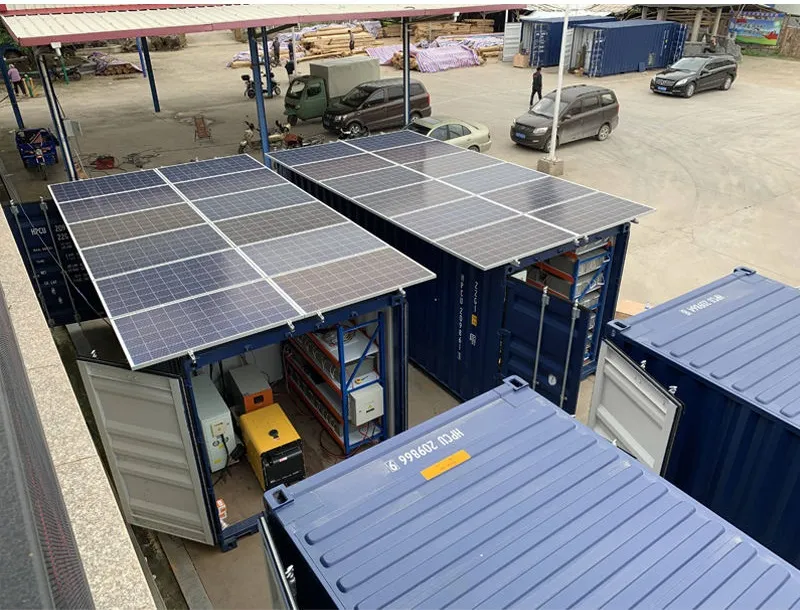
You know that moment when you're standing in an electronics store, staring at solar panels, and wondering why some look like shattered glass while others resemble dark mirrors? That’s the poly vs mono showdown staring right back at you. These two solar siblings might come from the same family tree, but they’ve got more differences than twins with completely opposite personalities.
The DNA Test: How These Solar Panels Are Born
Monocrystalline: The Highborn Aristocrat
Picture a single, pure silicon crystal grown painstakingly like a precious gemstone. That’s monocrystalline for you. Manufacturers start with a seed crystal dipped into molten silicon, then slowly pull it out like golden honey. The result? Perfectly aligned atoms marching in unison across the entire panel. They're the solar world's tailored suits – sleek black panels with smooth edges that boost efficiency .
Polycrystalline: The Resourceful Sibling
Now imagine tossing handfuls of silicon fragments into a pot, melting them down into a block, then slicing it like bread. That’s your polycrystalline panel. This no-fuss approach means less silicon gets wasted – the blue-speckled panels have that mosaic look because the crystals jostle for position like commuters on a packed train. It's like comparing a batch of homemade cookies to a French patisserie’s perfect macarons.
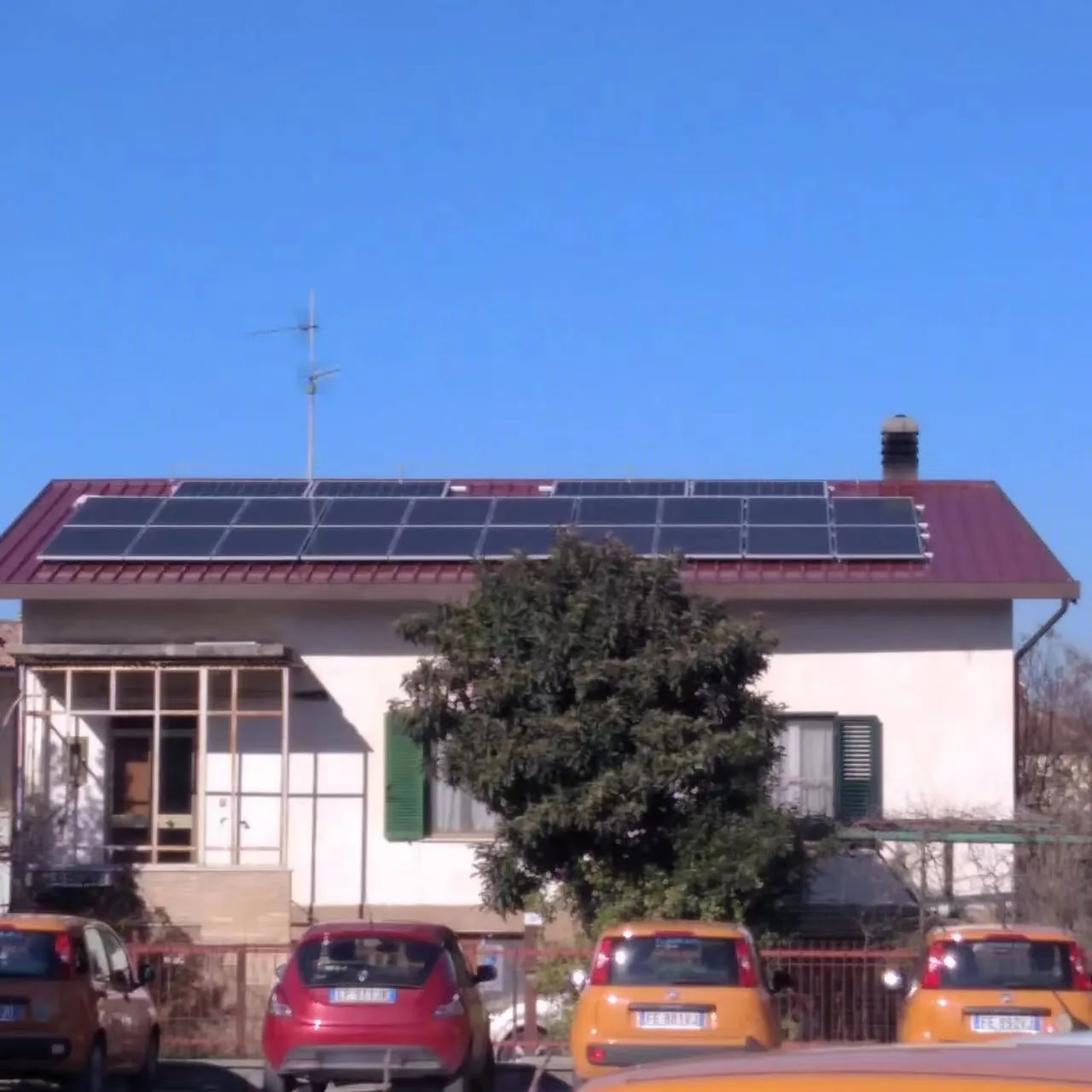
Face to Face: Where Mono and Poly Really Differ
| Factor | Monocrystalline | Polycrystalline |
|---|---|---|
| Appearance | Uniform black finish with rounded edges | Blue-speckled surface with visible crystal chunks |
| Efficiency | 18-24% (champion of energy conversion) | 14-17% (gets the job done with extra elbow grease) |
| Lifespan | Typically 30+ years with slow degradation | About 25-30 years before retirement kicks in |
| Temperature Performance | Handles heat like a pro, losing less efficiency on scorchers | Gets fussy in extreme heat, efficiency drops noticeably |
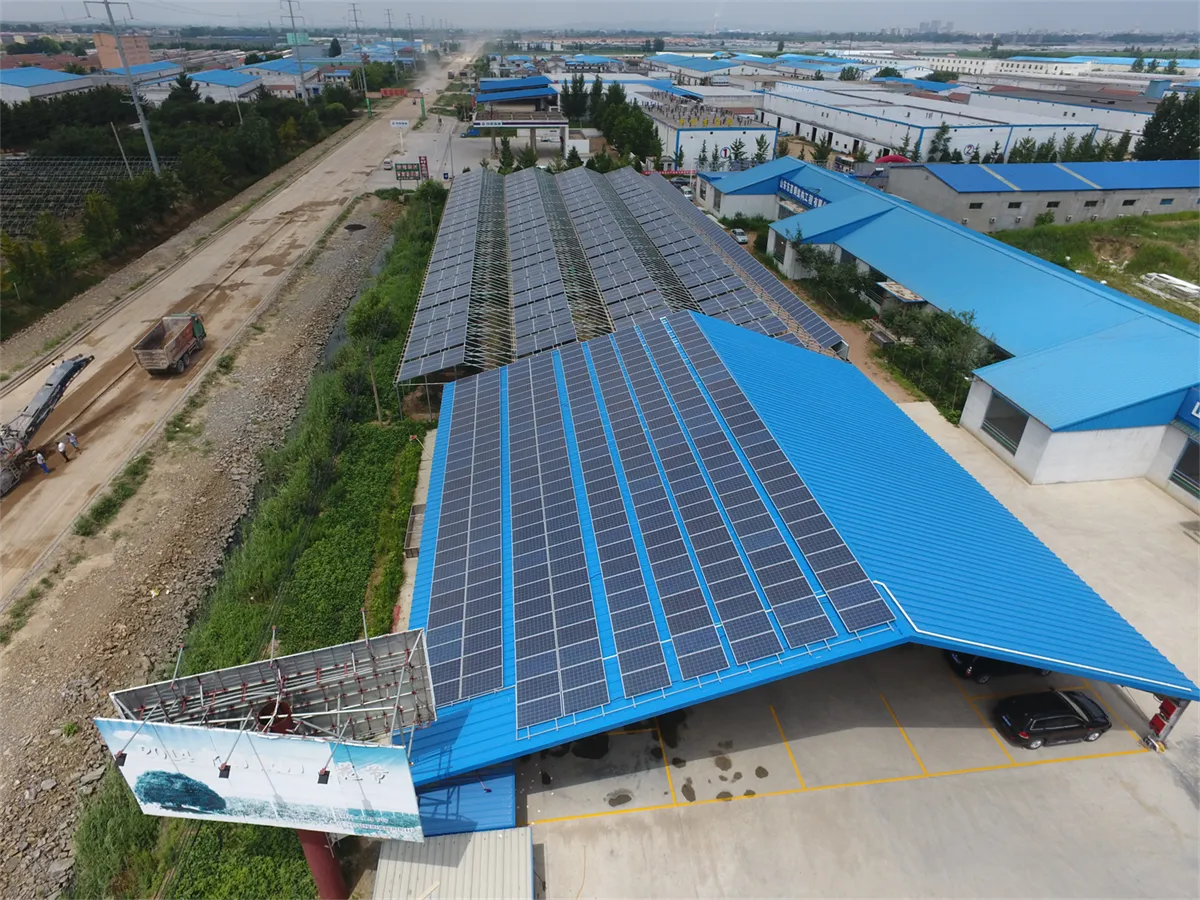
Beyond the Numbers: Real-World Considerations
Roof Real Estate Wars: Got a tiny roof or quirky angles? Mono’s your space-saving hero – squeeze more watts per square foot. But if you’ve got acres of roof space? Poly won’t make you feel guilty about spreading out.
Your Wallet’s Opinion: Here’s where polycrystalline sings its siren song. Upfront costs might save you 10-20% compared to mono. But wait – higher efficiency mono panels might pay back faster through electricity bills. It’s like choosing between cheap shoes needing replacement yearly versus pricier ones lasting a decade.
Environmental Credentials: Remember poly’s manufacturing requires less silicon waste? That’s a genuine eco-plus. Mono counters with needing less raw land space per megawatt generated. Your solar choice suddenly feels like voting for the Green Party versus the Sustainability Alliance.
Mythbusting Solar Misconceptions
"People tell me blue panels are weaker than black ones – that’s nonsense!" says solar installer Miguel Rodriguez. "Color difference is just crystal structure, not toughness. I’ve seen both survive golf ball-sized hail. The real weak spot? Faulty installation – that’s the true panel killer."
Another favorite myth: "Poly panels age faster." Actually, degradation rates between mono and poly are nearly identical – around 0.5% per year. What wears panels out isn't crystal structure, but UV exposure and weather extremes. It’s like saying blondes age faster than brunettes – nature doesn’t play favorites like that.
Your Personal Solar Cheat Sheet
Choose Monocrystalline When:
- Roof space is tighter than airport legroom
- You live where summer feels like walking into a pizza oven (high temp areas)
- Aesthetics matter as much as function for your dream home
Choose Polycrystalline When:
- Budget talks louder than efficiency percentages
- You’ve got roof space to spare like a Texas ranch
- You admire those blue speckled panels like abstract art
Wrapping It Up
Solar decisions sometimes feel overwhelming, like choosing coffee beans at a specialty roastery. Mono and poly panels both harvest sunlight – one with aristocratic grace, the other with democratic pragmatism. Instead of fixating solely on monocrystalline versus polycrystalline efficiency percentages, think about your roof's personality , your local weather moods, and what makes your budget breathe easy.
Your ideal choice lives at the intersection of your reality and aspirations. And whichever path you choose? You're still joining the sunlight revolution – and that's what truly shines.










