


Ever stood in the plumbing aisle staring at rows of white pipes, wondering why some cost more than others? You're not alone. Understanding the difference between DWV pipes and plastic valve systems like PVC/CPVC isn't just plumbing jargon – it's the key to avoiding leaks, failed inspections, or even flooded basements. While both look similar at first glance, using the wrong one could turn your DIY project into a disaster story.
Here's the big picture : DWV pipes handle waste drainage (think toilets and sinks), while plastic valve systems manage pressurized water flow (like showers and faucets). Using a DWV pipe for pressurized water is like using a paper umbrella in a hurricane – it might seem okay until things get real.
Materials & Construction: What Are They Made Of?
DWV (Drain-Waste-Vent) pipes are the quiet heroes of your drainage system. Made from PVC or ABS plastic, they've got thinner walls since they only handle gravity-fed drainage. Imagine them as lightweight marathon runners – built for endurance without pressure. The materials include:
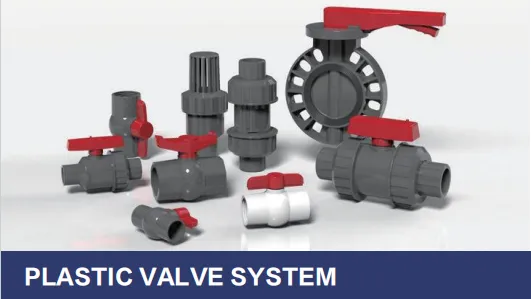
Plastic valve systems like PVC, CPVC, and PEX are the bodybuilders of plumbing. CPVC (Chlorinated Polyvinyl Chloride) for example contains extra chlorine atoms that create tighter molecular bonds – imagine reinforcing a net with extra threads. This translates to:
When it comes to water supply and drainage systems , the material thickness isn't just about durability – it's a safety feature. Pressure-rated plastic valve systems are engineered to contain explosive force, while DWV's thin walls would rupture under pressure.
Performance Showdown: Pressure vs Gravity
| Performance Factor | Plastic Valve Systems | DWV Pipes |
|---|---|---|
| Pressure Handling | Designed for pressure (up to 850 PSI for Sch 80) | ⚠️ Zero pressure tolerance |
| Max Temperature | CPVC handles 200°F; PEX 180°F | ⚠️ Limited to 140°F before softening |
| Chemical Resistance | Excellent for most chemicals | Excellent for waste/sewer gases |
| Flow Efficiency | Smooth walls minimize friction | Excellent for gravity drainage |
| Freeze Resistance | ⚠️ Can crack if frozen when pressurized | More flexible, less prone to bursting |
"I learned the hard way you can't use DWV for sprinkler systems," says James R., a Phoenix plumber. "After a pressure test failure, I had to rip out 200 feet of pipe. The thin walls ballooned like stretched gum."
Real-world tip : Listen to the pipe. Pressure-rated PVC makes a sharp "tink" when tapped, while DWV produces a dull "thud" – an easy field test before installation. And remember, proper residential plumbing requires understanding this difference to ensure building code compliance.
Installation Insights: Joining & Support
How pipes connect determines their destiny. DWV relies primarily on solvent welding – where cement chemically melts the plastic for a water-tight seal. It's like making plastic weld itself. Valve systems have more options:
Ever seen sagging pipes? Different support needs:
| Pipe Type | Horizontal Support Spacing | Vertical Support |
|---|---|---|
| DWV Pipes | 4 ft intervals | Every floor level |
| Pressurized PVC/CPVC | 3 ft intervals | Stacks require guide spacing |
"The worst mistake?" laughs veteran inspector Maria T. "Someone used Drain-Waste-Vent pipes for their whole-house water filtration system. We found five leaks before they even turned on the pump!"
Cost vs Value: Budgeting Reality
While DWV pipes cost 20-30% less upfront, that discount disappears fast in misuse scenarios:
Insider perspective : "Homeowners often choose DWV to save $50 on materials," notes contractor Leo G., "then pay me $2,000 to repair water damage six months later. Don't gamble with pressurized systems."
For complex water supply and drainage systems , investing in quality plastic valve systems pays off in longevity. Industry studies show properly installed CPVC systems last 50+ years with minimal maintenance.
Safety & Code Considerations
- NSF ratings : Only pressure-rated pipes carry NSF/ANSI 61 certification for potable water
- Fire hazards : Using DWV in pressurized systems violates UPC 2018 Chapter 7
- ⚠️ Chemical risks : Some ABS DWV pipes restricted in earthquake zones
"Plastic piping for hot and cold water requires different joining methods than drainage," emphasizes code official David K. "Mixing them risks failing inspection or voiding insurance after water damage."
Hot water tip : While some CPVC plastic valve systems handle boiling water, DWV pipes deform at 160°F – a real danger near water heaters where temperatures exceed 140°F.
When Worlds Collide: Hybrid Applications
Modern homes blend both systems intelligently:
The key is transitions – never solvent-weld DWV to pressure pipes. Use approved adapters like shielded couplings that compensate for different wall thicknesses and pressure ratings.
"My new-build checklist includes verifying pressure ratings at every transition point," shares project manager Elena R. "One misstep with plastic valve systems could flood entire condo units below."
Choosing What's Right For You
Still uncertain? Follow this decision guide:
| Your Project | Recommended Pipe |
|---|---|
| Kitchen sink drain | PVC DWV |
| Shower supply lines | CPVC or PEX |
| Sewer main replacement | ABS or PVC DWV |
| Whole-house water filter | Schedule 80 PVC |
| Laundry room venting | DWV |
For residential plumbing projects, remember: Color matters! While not universal, many regions use:
- White: Standard PVC/DWV
- Gray: Schedule 80 pressure PVC
- Cream: CPVC (yellowish tint)
When in doubt, check for the printed labeling – "NSF-PW" means potable water certified, while "DWV" means drainage only.
The Future of Plastic Pipes
Innovations are blurring old boundaries:
"We're testing a composite pipe that handles both waste and moderate pressure," reveals materials engineer Dr. A. Simmons. "Imagine simplifying entire plumbing systems while cutting plastic use by 40%."
Until these innovations mature, understanding the plastic valve systems vs DWV distinction remains essential for DIYers and pros alike. Proper residential plumbing choices prevent emergencies while saving thousands in unnecessary repairs.
Final Advice from the Pros
Before starting your next plumbing project:
- Check wall thickness – Pressure pipes feel noticeably heavier
- Look for markings – "Schedule 40/80" vs "DWV" stamps
- Confirm pressure rating if using pumps or heaters
- Buy extra connectors – Specialty transitions cost less than emergency runs
Remember the golden rule: When water moves by pressure, use plastic valve systems. When gravity does the work, DWV works perfectly. Getting this right means enjoying trouble-free flow for decades – and avoiding plumbing horror stories!










