

In the world of architecture and construction, the materials we choose do more than just build structures—they shape experiences. From the moment someone approaches a building, its exterior cladding sets the tone: warm and inviting, sleek and modern, or timeless and elegant. For decades, designers and builders have grappled with a trade-off: how to achieve the natural beauty of stone without the heavy weight, rigid installation, and high maintenance that often come with it. Enter MCM flexible cladding stone wall panels—a material that's quietly revolutionizing how we think about building facades, accent walls, and interior design.
If you've ever walked past a commercial building with a stunning stone-like exterior that seems to curve effortlessly around corners, or visited a home with a textured accent wall that looks like it was carved from a mountain but feels surprisingly light to the touch, chances are you've encountered MCM. Short for Mineral Composite Material (or Modified Composite Material, depending on the manufacturer), these panels blend the best of nature and technology: mineral aggregates, high-performance resins, and reinforcing fibers come together to create a product that mimics the look of natural stone while offering flexibility, durability, and ease of use that traditional materials can't match.
This guide isn't just about explaining what MCM flexible cladding is—it's about helping you navigate the world of suppliers, understand the solutions they offer, and make informed choices for your next project. Whether you're a residential builder looking to add curb appeal to a new development, a commercial architect designing a landmark facade, or a homeowner dreaming of a statement wall, this article will break down everything you need to know: from the science behind MCM panels to how to choose the right MCM flexible cladding stone wall panel supplier for your unique needs.
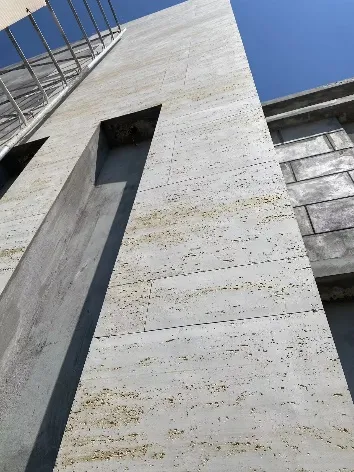
At their core, MCM flexible cladding stone wall panels are engineered composites designed to replicate the appearance and texture of natural stone—think granite, marble, travertine, or even slate—while offering superior performance characteristics. Unlike solid stone slabs, which are quarried, cut, and polished from raw rock, MCM panels are crafted in controlled manufacturing environments, allowing for precise customization and consistent quality.
So, what's in these panels? While formulations vary slightly by manufacturer, most MCM flexible cladding stone wall panels share a few key components:
The result? A panel that's typically 3–8mm thick, weighs 6–12 kg per square meter (compared to 25–50 kg for natural stone), and can bend up to 30 degrees without breaking. This flexibility is a game-changer—suddenly, curved facades, arched doorways, and circular columns can be clad in stone-like material without the need for custom-cut stone blocks or heavy structural support.
Fun Fact: Early MCM panels were developed in the 1990s for industrial applications, but it wasn't until the 2010s that manufacturers perfected the stone-mimicking aesthetic. Today, they're used in projects ranging from luxury hotels in Dubai to boutique cafes in Paris, proving that innovation in building materials often starts with solving one problem (weight) and ends up solving dozens more (cost, design flexibility, sustainability).
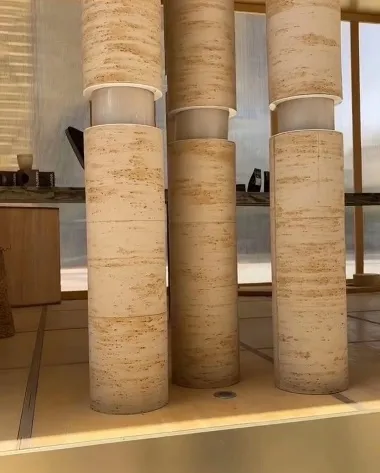
To truly appreciate MCM flexible cladding stone wall panels, let's dive into the features that make them a standout choice for modern construction. These aren't just minor improvements over traditional materials—they're transformative advantages that address long-standing pain points in the industry.
Imagine trying to hang a 50kg slab of natural stone on the second floor of a historic building with fragile wooden framing. It's not just difficult—it's often impossible without reinforcing the structure, adding time and cost to the project. MCM panels eliminate this issue. At 6–12 kg per square meter, they're up to 80% lighter than natural stone, reducing the load on walls, foundations, and support beams. This makes them ideal for retrofits, high-rise buildings, and structures where weight is a critical concern (like heritage sites or modular constructions).
Traditional stone cladding is rigid. It works well for straight walls but struggles with curves, domes, or irregular surfaces. MCM panels, by contrast, are designed to bend. Most can flex up to 15–30 degrees, allowing architects to create flowing, organic shapes that were once reserved for synthetic materials like vinyl or fiberglass. A hotel in Barcelona, for example, used MCM panels to clad a sweeping, wave-like facade that mimics the nearby Mediterranean Sea—something that would have been prohibitively expensive with natural stone.
One of the biggest myths about lightweight materials is that they're less durable. MCM panels shatter this misconception. Thanks to their resin binding and fiber reinforcement, they're resistant to:
Natural stone requires regular sealing, cleaning with special products, and occasional repairs to fix cracks or chips. MCM panels? They're practically maintenance-free. A quick rinse with water and mild detergent is all it takes to keep them looking new. No sealing, no re-polishing, and no need to hire specialized cleaners. For busy commercial property managers or homeowners who want to enjoy their space without constant upkeep, this is a huge selling point.
MCM panels don't just mimic stone—they elevate it. Manufacturers can replicate the texture of rough-hewn granite, the veining of marble, the porosity of travertine, or even the smoothness of sandstone. And because they're made in a lab, the color consistency is unmatched. No more worrying about "patchy" stone orders or variations between batches. Want a custom color to match your brand? Many suppliers offer pigment customization, letting you create a truly unique look.
In commercial construction, fire safety is non-negotiable. Many MCM panels are rated Class A for fire resistance (the highest rating), meaning they won't contribute to flame spread and can withstand high temperatures for extended periods. This makes them suitable for hospitals, schools, and high-rise buildings where fire codes are strict—a feature that sets them apart from some synthetic cladding materials.
Still on the fence about whether MCM is right for your project? Let's put it side by side with other popular cladding materials. The table below breaks down key factors like weight, cost, and durability to help you see the difference.
| Feature | MCM Flexible Cladding Stone Panels | Natural Stone (Granite/Marble) | Brick Cladding | Vinyl Siding |
|---|---|---|---|---|
| Weight (per sqm) | 6–12 kg | 30–50 kg | 20–25 kg | 2–3 kg |
| Flexibility | High (bends up to 30°) | None (rigid) | None (rigid) | Moderate (limited curves) |
| Installation Complexity | Low (lightweight, can use adhesives/fasteners) | High (requires heavy machinery, skilled labor) | Moderate (needs mortar, precise alignment) | Low (clip-on system) |
| Durability (UV/Moisture) | Excellent (50+ year lifespan) | Excellent (100+ year lifespan, but prone to chipping) | Good (50+ years, but porous—needs sealing) | Fair (15–20 years, fades in sunlight) |
| Maintenance | Low (rinse with water) | High (seal every 2–3 years, professional cleaning) | Moderate (repointing every 10–15 years) | Low (wash occasionally, but prone to cracks) |
| Cost (Material + Installation) | Moderate ($30–$60/sqm) | High ($80–$150/sqm) | Moderate ($40–$70/sqm) | Low ($15–$30/sqm) |
| Fire Rating | Class A (excellent) | Class A (excellent) | Class A (excellent) | Class C–D (poor to fair) |
Key Takeaway: MCM panels strike a balance between natural stone's beauty and vinyl's affordability, while outperforming both in flexibility and weight. For projects where design, durability, and cost are equally important, they're often the clear winner.

MCM panels aren't a one-trick pony. Their versatility makes them suitable for a wide range of projects, from residential accent walls to large-scale commercial facades. Let's explore some of the most common applications—and why they work so well.
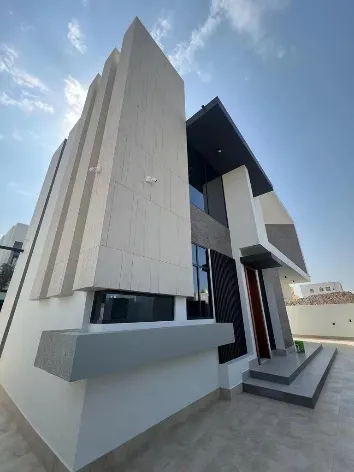
Homeowners want their houses to stand out, but they also want materials that can handle rain, snow, or intense sun without fading or cracking. MCM panels are perfect for residential facades, gables, or entryway accents. A family in Arizona, for example, used desert sand-colored MCM panels to clad their home's exterior, creating a warm, Southwestern look that's resistant to the state's 120°F summer days. Because the panels are lightweight, the installation took just two days—compared to a week for natural stone.
For businesses, a building's exterior is a marketing tool. MCM panels let brands express their identity through design. A tech startup in San Francisco chose sleek, charcoal-gray MCM panels with a subtle stone texture for their headquarters, blending modern minimalism with natural warmth. A resort in the Maldives used white MCM panels to mimic the look of local limestone, creating a beachy, tropical vibe that's durable enough to withstand saltwater and humidity.
Commercial buildings also benefit from MCM's quick installation. When a shopping mall in Dubai needed to refresh its exterior before the holiday season, the contractors chose MCM panels—installing over 5,000 square meters in just three weeks, far faster than traditional stone would have allowed.
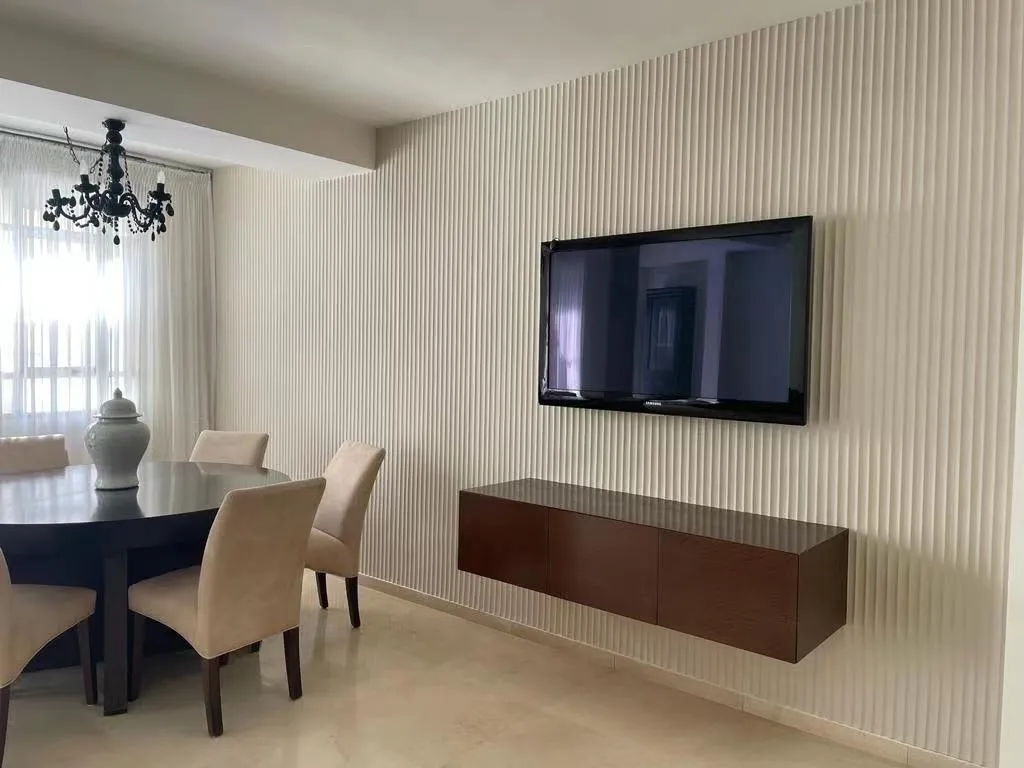
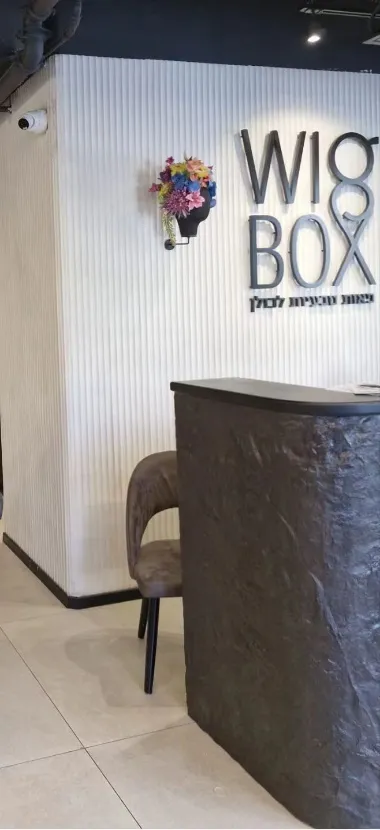
MCM isn't just for exteriors. Inside, it adds texture and depth to living rooms, bedrooms, home offices, and commercial spaces like restaurants or hotel lobbies. A boutique hotel in New York City used MCM panels to create a feature wall in its lobby, mimicking the look of rough-hewn stone but with a smooth, easy-to-clean surface that holds up to thousands of guests touching it daily. Homeowners are also getting creative: one DIY enthusiast installed MCM panels on their fireplace surround, creating a rustic, cabin-like feel without the weight or cost of real stone.
Historic buildings often have strict regulations about exterior changes—and for good reason. No one wants to alter the character of a 100-year-old landmark. MCM panels offer a solution: they can replicate the look of the original stone or brick used in the building while being lightweight enough to avoid damaging fragile structures. A museum in Rome, for example, used MCM panels to restore its crumbling stone facade, matching the color and texture of the original 18th-century limestone so closely that visitors can't tell the difference.
Now that you understand the "what" and "why" of MCM panels, let's tackle the "how": finding a supplier that can deliver the quality, service, and solutions you need. Not all suppliers are created equal—some focus on mass-produced panels with limited customization, while others specialize in tailored solutions for specific industries or climates. Here's what to look for.
A reputable MCM supplier will have their products tested and certified by third-party organizations. Look for certifications like:
Don't be afraid to ask for test reports. A supplier that's proud of their product will happily share this information.
Generic "stone gray" panels might work for some projects, but if you have a specific vision—say, matching the exact shade of a local sandstone or replicating the texture of a rare marble—you need a supplier that offers customization. Look for companies that can adjust color, texture, size, and even panel thickness to meet your needs. Some suppliers, like specialized Saudi Arabia building materials suppliers, even offer panels designed for local conditions, such as enhanced UV resistance for desert climates or wind load testing for coastal areas.
The best suppliers don't just sell products—they offer MCM flexible cladding stone wall panel solutions. This means more than just delivering panels to your job site. It includes:
For example, a commercial building materials supplier might partner with your architect to optimize panel layout, reducing waste and installation time. A residential building materials supplier might offer free samples so you can test how the panels look in different lighting conditions before committing.
Building requirements vary by region. A supplier based in a temperate climate might not understand the challenges of installing cladding in a place with heavy snowfall or sandstorms. Look for a supplier with experience in your area. A Saudi Arabia building materials supplier, for instance, will know how to test panels for resistance to sand abrasion and extreme heat, ensuring they perform well in local conditions.
In today's digital age, it's easy to check a supplier's track record. Look for reviews on industry forums, ask for references from past clients, or visit completed projects if possible. Pay attention to comments about reliability (did they deliver on time?), quality (are the panels holding up?), and customer service (did they resolve issues quickly?). A supplier with a long list of satisfied customers is far less likely to let you down.
When suppliers talk about "solutions," they're referring to the full package of products, services, and support that make your project successful. Let's break down what these solutions typically include—and why they matter.
Great design starts with technical feasibility. A good supplier will work with your architect or designer to ensure the MCM panels can be installed as planned. This might involve 3D modeling to test how panels will fit around windows or corners, or engineering calculations to confirm the panels can withstand local wind loads or seismic activity. For complex projects—like a curved facade—suppliers may even create custom jigs or templates to ensure precise installation.
Installing MCM panels is different from installing natural stone, and even experienced contractors might need guidance. The best suppliers offer installation manuals, video tutorials, or on-site training sessions to teach your crew best practices. This includes how to cut panels (they're easy to trim with standard tools), how to attach them (mechanical fasteners vs. adhesives), and how to seal joints to prevent water intrusion.
Even low-maintenance materials need some care. A supplier that offers solutions will provide clear maintenance guidelines: how often to clean the panels, what products to use, and how to spot early signs of damage (like loose fasteners or cracks). Many also offer warranties—typically 10–20 years—covering defects in materials or workmanship. Some even provide replacement panels for decades after purchase, ensuring you can repair small areas without having to replace entire sections.
As green building becomes more important, suppliers are offering eco-friendly MCM options. This includes panels made with recycled content, low-VOC resins, or manufacturing processes that reduce energy use and waste. If sustainability is a priority for your project (e.g., LEED certification), ask suppliers about their environmental initiatives—some even offer carbon footprint reports for their products.
MCM flexible cladding stone wall panels represent a shift in construction: a move toward materials that don't force us to choose between beauty and practicality. They offer the timeless appeal of stone with the flexibility of modern composites, making them a smart choice for residential, commercial, and historical projects alike.
When choosing a supplier, remember that you're not just buying panels—you're investing in a partnership. Look for a company that understands your vision, offers MCM flexible cladding stone wall panel solutions beyond just products, and has the certifications and reputation to back up their claims. Whether you're working with a local supplier or a global brand, prioritize quality, customization, and support.
At the end of the day, the best buildings are those that feel both rooted in nature and designed for the future. With MCM flexible cladding, you can have both—and create spaces that inspire for years to come.
Recommend Products











