
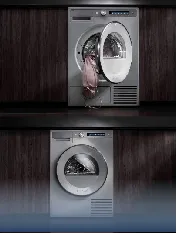
If you run a construction project, a hotel, or a residential development, you have probably asked a simple question at some point: who can supply the washing machines my building needs, and what exactly do they offer? The answer matters because a laundry room, a guest suite, or a serviced apartment can only function properly when the right appliances are matched to the right building. Understanding what a washing machine supplier really does, and the range of products they bring to the table, helps you make a smarter buying decision the first time round.
At its simplest, a washing machine supplier is a company that sources, stocks, and delivers washing machines to businesses and contractors who need them at scale. Unlike a regular retail store that sells one unit at a time, a supplier typically works on projects: furnishing dozens of rooms in a new hotel, equipping the utility floor of a commercial block, or fitting out kitchens and laundry areas for an entire housing compound. That is why the product range they carry, and the support they provide, often matters more than the price tag on a single unit.
A professional supplier offers a good deal more than just machines. Their value sits in the combination of product choice, technical guidance, and after-sales reliability. The most useful suppliers are full-service partners who can sit beside you during planning and make sure the appliances match your available space, your water pressure, your expected daily load, and your budget. They also handle the practical details, such as sizing, voltage compatibility, and delivery schedules to the site, which saves project managers a great deal of time.
For example, a large one-stop building materials company such as COLORIA GROUP treats appliances as part of a wider interior solution rather than as standalone items. When a developer needs washing machines for dozens of residential units, they can also order the custom furniture, sanitary fixtures, lighting, and plumbing that belong in the same rooms, which keeps the whole fit-out consistent and easier to coordinate.
A good supplier should be able to explain the differences between the machine designs you will come across, because the right choice depends entirely on how the machine will be used. The two most common families are front-load and top-load machines.
Front-load machines load through a door on the front and tumble laundry in a horizontal drum. This design is generally gentler on fabrics, uses less water and energy per load, and tends to spin at higher speeds so clothes dry faster afterwards. They are a strong fit for hotel linen, which goes through heavy daily use and needs to hold up well over time. Top-load machines load through a lid on top and are often simpler to operate, with quicker cycle times that suit busy residential households. Understanding these trade-offs is exactly the kind of guidance a knowledgeable supplier can provide before you commit to a purchase.
Beyond the household and hospitality classes, suppliers also serve projects that need larger-capacity or commercial machines, such as laundries serving gyms, clinics, or staff facilities. The same reliability principles apply, but the sizing and maintenance requirements differ, which is another reason it pays to source from a supplier who understands building-level applications.
Several practical factors separate a dependable supplier from one that will cause headaches. First, look at the breadth of their range. A supplier who can offer several capacities and finishes makes it easier to fit machines into varied room layouts. Second, consider reliability and support, including warranty, spare parts, and clear communication throughout delivery. Third, check how well the supplier understands your project type, because a hotel fit-out and a private home ask for different things from an appliance.
In practice, working with an established home/kitchen/hotel appliances supplier who also handles the surrounding building materials can remove a lot of friction. Rather than juggling many vendors, one contract can cover appliances as well as the walls, flooring, sanitary fixtures, and furniture in the same space, giving you a single point of responsibility from design to delivery.
There is a quieter benefit to choosing a comprehensive building material supplier that most project managers notice only after a phase or two: consistency. When appliances, cabinetry, sanitary ware, and finishes come from the same source, every room looks and feels cohesive, and you avoid the mismatched ends that happen when separate vendors deliver in isolation. It also simplifies logistics, because one shipment can be organised and tracked instead of several.
COLORIA GROUP is a good example of this integrated model in action. Based in Foshan, China, with an overseas agent in Saudi Arabia, the company supplies everything a residential or commercial project needs, from walls and flooring to pipes, sanitary fixtures, customised furniture, and home, kitchen, and hotel appliances, including washing machines. For contractors working in demanding markets, that one-stop model reduces sourcing time and keeps quality consistent across the entire build.
A washing machine supplier earns their place in your supply chain by understanding what each building truly needs. Start by mapping out how many machines you need, their expected usage, and the space and power available. Then choose a supplier who can combine product knowledge with a broad supporting range, so the appliances integrate cleanly into the rest of the project. Shared with a curated list of washing machine solutions and complete appliance range, that approach gives you both a smoother fit-out and a more reliable long-term result for the building and, ultimately, the people who live and work in it.
Recommend Products












