
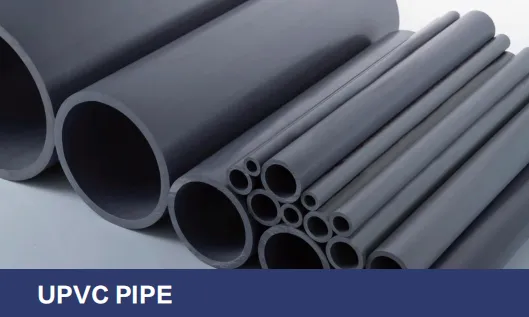
Every time you turn on a faucet, flush a toilet, or walk into a hospital room where clean water flows reliably, there's an unsung network working behind the scenes. Pipes—those unassuming, often hidden components—are the lifelines of modern infrastructure. And at the center of that lifeline? The suppliers who ensure those pipes are not just available, but the right fit for every project. Today, we're diving deep into one specific player in this ecosystem: the UPVC pipe supplier. What do they do? Why do they matter? And how do they fit into the broader world of building materials? Let's start with the basics.
Let's break it down. UPVC stands for unplasticized polyvinyl chloride—a rigid, durable plastic material known for its strength, chemical resistance, and affordability. Unlike regular PVC, which may contain plasticizers that make it flexible, UPVC is stiffer and more heat-resistant, making it ideal for high-pressure applications like water supply, drainage, and industrial fluid transport. Now, a UPVC pipe supplier is the bridge between the manufacturing of these pipes and the people who need them: contractors, builders, engineers, and even DIY enthusiasts. They don't just sell pipes—they provide UPVC pipe solutions that encompass everything from selecting the right product to ensuring it arrives on time and fits the project's unique needs.
But here's the thing: UPVC pipe suppliers aren't standalone entities. They're often part of a larger network of residential building materials supplier and commercial building materials supplier operations. Think of them as a crucial cog in the machine that builds our homes, offices, hospitals, and schools. Whether you're constructing a small apartment complex or a sprawling shopping mall, the UPVC pipe supplier ensures that the plumbing system—the "veins" of the building—are robust, compliant, and ready to stand the test of time.
If you picture a supplier as someone who just moves products from point A to point B, think again. The role of a UPVC pipe supplier is surprisingly multi-faceted, blending technical expertise, logistical finesse, and customer care. Let's unpack their core responsibilities:
First and foremost, a reputable UPVC pipe supplier is a gatekeeper of quality. They don't just pick any pipe off the shelf—they work closely with manufacturers to source products that meet strict standards. This means checking for things like wall thickness consistency (critical for pressure resistance), chemical composition (to avoid degradation over time), and compliance with local building codes. For example, in regions like Saudi Arabia, where extreme temperatures can stress pipes, suppliers often prioritize UPVC pipes with high heat deflection temperatures. In hospitals or schools, where safety is non-negotiable, they might lean on pipes that pair well with specialized materials like Class A fireproof CPL inorganic boards—ensuring the entire system, from walls to pipes, meets safety benchmarks.
Quality control doesn't stop at the factory, either. Many suppliers conduct their own in-house testing: pressure tests to simulate real-world use, impact tests to check durability, and even chemical resistance tests to ensure pipes can handle everything from household detergents to industrial fluids. Why does this matter? Because a single faulty pipe can lead to leaks, water damage, or even project delays—costing builders time and money. A good supplier knows this, so they make quality their top priority.
Imagine this: A contractor is racing to finish a residential building's plumbing before the rainy season hits. They need 500 meters of 4-inch UPVC DWV (Drainage, Waste, and Vent) pipes by the end of the week. If the supplier drops the ball on delivery, the project stalls, deadlines are missed, and costs spiral. That's why logistics are a make-or-break part of a UPVC pipe supplier's job.
Suppliers manage warehouses, coordinate with transporters, and often have regional distribution centers to minimize delivery times. For large commercial projects—say, a new hospital—they might even offer on-site delivery, dropping off pipes exactly where they're needed to avoid cluttering the job site. In remote areas, this can mean partnering with local transporters or using specialized vehicles to navigate rough terrain. It's not just about "shipping"—it's about understanding the urgency of construction timelines and adapting to keep projects on track.
Not all pipes are created equal. A 2-inch UPVC pipe for a residential kitchen sink isn't the same as a 10-inch pipe for a commercial irrigation system. That's where a supplier's technical knowledge comes in. A good UPVC pipe supplier doesn't just hand over a product catalog—they ask questions: What's the project? Is it for potable water, drainage, or industrial use? What's the maximum pressure the pipe will need to handle? Are there local codes we need to comply with?
For example, a contractor building a school might need pipes that are easy to clean and resistant to mold—critical for maintaining a healthy environment for students. The supplier would then recommend UPVC pipes with smooth inner walls (to prevent bacterial buildup) and explain why they're a better choice than, say, metal pipes (which can corrode over time). This level of support turns a simple transaction into a partnership. It's why many suppliers offer post-purchase support, too—helping with installation questions, troubleshooting leaks, or even arranging replacements if something goes wrong.
No two construction projects are identical. A high-rise apartment might need long-length UPVC pipes to minimize joint connections (and thus leak points), while a heritage building renovation might require custom-cut pipes to fit into tight, historic spaces. A UPVC pipe supplier that offers customization can be a game-changer here. This might involve cutting pipes to specific lengths, adding custom fittings, or even sourcing specialty pipes—like UV-resistant UPVC for outdoor use or sound-insulated pipes for residential buildings where noise reduction is key (think apartments above restaurants or busy streets).
When we talk about UPVC pipe solutions , we're referring to the full package: pipes, fittings, technical guidance, and ongoing support. Let's take a closer look at the types of UPVC pipes suppliers typically offer and where they're used. To make it easier, here's a breakdown of common UPVC pipe types, their specs, and applications:
| UPVC Pipe Type | Key Specifications | Common Applications | Standards Compliance |
|---|---|---|---|
| UPVC Pressure Pipes | Thick walls, rated for 10-20 bar pressure; sizes 16mm-315mm | Potable water supply, irrigation, industrial fluid transport | ASTM D1785, ISO 4422 |
| UPVC DWV Pipes | Thinner walls, designed for gravity flow; sizes 32mm-400mm | Residential and commercial drainage, waste vents | ASTM D2665, DIN 19537 |
| UPVC Well Casing & Screen Pipes | Perforated screens for water filtration; corrosion-resistant | Water wells, agricultural irrigation, groundwater extraction | ASTM D1784, API Spec 5CT |
| UPVC Electrical Conduit Pipes | Smooth inner surface, flame-retardant options | Protecting electrical wires in residential, commercial, and industrial buildings | AS/NZS 2053, IEC 61386 |
Let's dive into a few of these applications to see how UPVC pipe solutions play out in real life.
As a residential building materials supplier , a UPVC pipe supplier is often the first call for home builders. Why? Because UPVC pipes check all the boxes for homes: they're affordable, easy to install (no need for specialized tools like welding), and resistant to rust and corrosion—meaning they'll last for decades with minimal maintenance. For example, in a typical 3-bedroom house, you'll find UPVC DWV pipes handling kitchen and bathroom drains, UPVC pressure pipes for the main water supply, and even smaller UPVC electrical conduits protecting wires behind walls.
Here's a real-world scenario: A builder is constructing a row of townhouses and wants to keep plumbing costs low without sacrificing quality. They partner with a UPVC pipe supplier who recommends using 2-inch UPVC DWV pipes for kitchen drains (to handle food scraps and hot water) and 3-inch pipes for bathroom drains (to accommodate larger volumes). The supplier also suggests adding UPVC P-traps (a type of fitting) to prevent sewer gases from entering the home—completing the solution. The result? A plumbing system that's reliable, cost-effective, and easy to repair if needed.
Commercial buildings—offices, malls, hospitals, schools—have even higher demands. They need pipes that can handle more water, more pressure, and often stricter safety codes. As a commercial building materials supplier , a UPVC pipe supplier rises to this challenge by offering larger-diameter pipes, higher-pressure ratings, and specialized options. Take hospitals, for instance: They require pipes that are easy to sanitize (to prevent the spread of germs) and resistant to chemicals used in cleaning. UPVC pipes fit the bill here, as their smooth surfaces don't harbor bacteria, and they stand up to harsh disinfectants.
Another example: A shopping mall with multiple floors and hundreds of restrooms. The drainage system here needs to handle peak usage (think Black Friday crowds) without clogging or backing up. A UPVC pipe supplier might recommend large-diameter DWV pipes with steep slopes to ensure fast water flow, paired with access panels for easy maintenance. They might also coordinate with pipes fittings supplier partners to provide elbows, tees, and reducers that ensure a seamless, leak-free system.
You might be thinking: Can't I just buy UPVC pipes from any hardware store? The short answer is yes—but the long answer is that not all suppliers are created equal. Here's why partnering with a reputable UPVC pipe supplier matters:
Cheap, low-quality UPVC pipes might save you money upfront, but they can cost a fortune later. Imagine installing thin-walled pipes that burst under pressure, causing water damage to flooring (a nightmare for flooring supplier partners who've just laid expensive tiles) or mold growth in walls (requiring repairs from walls supplier teams). A reputable supplier ensures you're getting pipes that meet industry standards, so you won't have to redo the work six months down the line.
Building codes vary by region, and plumbing is heavily regulated. For example, in some areas, UPVC pipes for potable water must be certified as "lead-free" to comply with health standards. A local UPVC pipe supplier knows these codes inside out and will only sell you products that meet them. This saves you from fines, project delays, or even having to tear out non-compliant pipes.
As we've discussed, a good supplier offers technical support, customization, and logistics. This is especially valuable for small contractors or DIYers who might not have in-house engineers. For example, if you're unsure whether to use UPVC or PPR pipes for a hot water system, a supplier can walk you through the pros and cons (UPVC is better for cold water; PPR is more heat-resistant for hot water) and help you make the right choice.
UPVC pipe suppliers don't work in isolation. They're part of a larger ecosystem of building material suppliers, and collaboration is key. For example:
This interconnectedness is what makes the role of a UPVC pipe supplier so vital. They're not just selling a product—they're ensuring the entire building system works together seamlessly.
It's not all smooth sailing for UPVC pipe suppliers. They face challenges, too—here are a few common ones and how the best suppliers tackle them:
UPVC is made from petroleum-based materials, so oil price spikes can drive up production costs. To mitigate this, suppliers often lock in long-term contracts with manufacturers or diversify their supplier base to avoid relying on a single source.
From port delays to factory shutdowns, global supply chains are prone to disruptions. Top suppliers counter this by maintaining buffer stocks in warehouses, using predictive analytics to forecast demand, and even investing in local manufacturing partnerships to reduce reliance on imports.
Construction projects are always in a hurry, and delays can cost builders thousands. Suppliers handle this by offering expedited shipping options, prioritizing orders for urgent projects, and keeping open lines of communication to manage expectations (e.g., "We can deliver 80% of your order by Friday and the rest by Monday").
The world of building materials is evolving, and UPVC pipe suppliers are evolving with it. Here are a few trends to watch:
Green building practices are on the rise, and suppliers are responding by offering UPVC pipes made from recycled materials or produced using energy-efficient processes. Some are even exploring biodegradable UPVC alternatives—though this is still in the early stages.
Imagine pipes with built-in sensors that detect leaks, pressure drops, or blockages and send alerts to your phone. This "smart plumbing" is becoming more common, and forward-thinking suppliers are starting to offer these high-tech solutions for commercial and luxury residential projects.
As building designs become more innovative, suppliers are offering more specialized UPVC pipes—like ultra-thin pipes for minimalist homes, or colored pipes for decorative exposed plumbing (think industrial-chic cafes). The goal? To meet the unique needs of every project, no matter how creative.
At the end of the day, UPVC pipe suppliers do more than sell pipes. They ensure that the buildings we live, work, and heal in have reliable, safe, and efficient plumbing systems. They're problem-solvers, advisors, and partners—working behind the scenes to keep our world flowing smoothly. Whether you're building a home, a hospital, or a skyscraper, choosing the right UPVC pipe supplier isn't just a purchase—it's an investment in the longevity and success of your project.
So the next time you turn on a faucet and water flows instantly, take a moment to appreciate the network that makes it possible. And remember: Behind that network is a supplier who cared enough to deliver the right pipe, at the right time, with the right solution.
Recommend Products












