
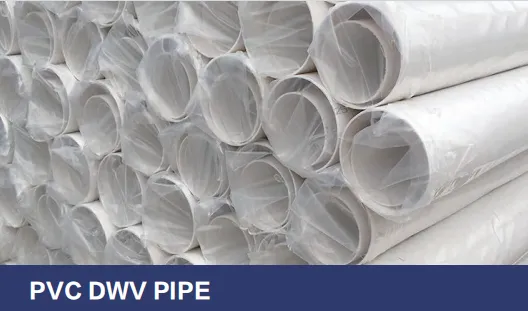
Picture this: a team of construction workers is racing to finish a new apartment complex. The framing is up, the drywall is being hung, and electricians are wiring the units. But behind the scenes, there's a critical system being installed that will make or break the building's functionality for decades to come—the drainage network. Without reliable pipes to carry away waste, vent gases, and prevent clogs, even the most beautiful spaces become unlivable. This is where PVC DWV pipe suppliers step in, quietly ensuring that every home, hospital, and office building has a drainage system that works seamlessly, day in and day out.
In the world of construction, where every component matters, PVC DWV (Drain, Waste, Vent) pipes are the unsung heroes. They handle everything from kitchen sink water to shower runoff, all while maintaining proper ventilation to prevent odors and pressure buildup. But none of this happens without a trusted supplier—the bridge between manufacturers and the construction sites that depend on high-quality materials. Let's dive into what a PVC DWV pipe supplier really is, the vital roles they play in modern construction, and why they're indispensable to both residential and commercial projects.
At first glance, you might think a PVC DWV pipe supplier is simply a company that sells pipes. But that's like calling a chef "someone who heats food"—it barely scratches the surface. A true PVC DWV pipe supplier is a full-service partner that specializes in the production, distribution, and support of polyvinyl chloride (PVC) pipes designed specifically for drain, waste, and vent systems. These aren't generic pipes; they're engineered to meet strict industry standards for durability, chemical resistance, and flow efficiency. Whether it's a small home renovation or a sprawling commercial complex, these suppliers ensure that the right pipes—of the right size, material, and quality—arrive at the job site exactly when needed.
But their role goes beyond logistics. They're also educators, problem-solvers, and quality gatekeepers. For example, when a contractor is unsure whether a 3-inch or 4-inch pipe is needed for a high-rise hotel's laundry room, the supplier doesn't just hand over a product—they provide technical expertise, share data on flow rates, and ensure compliance with local building codes. In short, they're an extension of the construction team, invested in the project's long-term success.
To understand why PVC DWV pipe suppliers are so critical, let's break down their core responsibilities. These roles aren't just about moving products—they're about ensuring that construction projects are safe, efficient, and built to last.
Imagine a scenario where a pipe under a hospital's operating room cracks, causing a leak. The consequences could be catastrophic—delayed surgeries, mold growth, even electrical hazards. That's why quality is non-negotiable for PVC DWV pipe suppliers. They work closely with manufacturers to test pipes for everything from impact resistance (can they withstand being dropped on a job site?) to chemical tolerance (will they degrade when exposed to cleaning agents?). Most reputable suppliers adhere to standards set by organizations like ASTM International (e.g., ASTM D2665 for PVC DWV pipes) or ISO, ensuring that every batch meets strict criteria for thickness, pressure rating, and structural integrity.
Many suppliers also conduct their own third-party testing. For instance, a sample pipe might be subjected to a "crush test" to see how much weight it can bear before deforming, or a "thermal cycling test" to simulate years of temperature changes (think hot water from showers vs. cold winter basements). By prioritizing quality, these suppliers prevent costly callbacks, project delays, and safety risks down the line.
Construction schedules are tight, and delays can cost thousands of dollars per day. A PVC DWV pipe supplier's ability to manage the supply chain is often the difference between a project finishing on time and facing costly overruns. This means maintaining a robust inventory of standard sizes (from 1.5-inch pipes for bathroom sinks to 10-inch pipes for commercial drains) while also having the flexibility to source custom orders quickly.
Take, for example, a residential building materials supplier working on a 50-unit apartment complex. The contractor suddenly realizes they need 20 extra feet of 4-inch PVC DWV pipe to reroute a vent stack. A reliable supplier won't just say, "We'll have it next week"—they'll coordinate with local warehouses, arrange same-day delivery, and even help unload the materials to keep the crew working. This level of responsiveness turns suppliers into trusted partners rather than mere vendors.
Not all construction projects are created equal. A single-family home has different drainage needs than a school, which in turn differs from a manufacturing plant. A PVC DWV pipe supplier doesn't just sell a one-size-fits-all product—they tailor solutions to each project's unique requirements. This often involves collaborating with architects, engineers, and contractors to answer critical questions:
For example, in a hospital setting—where hygiene and safety are paramount—a supplier might recommend smooth-walled PVC DWV pipes that resist bacterial growth and are easy to clean. In a coastal area prone to saltwater exposure, they might suggest pipes with added UV protection to prevent degradation. This technical guidance ensures that the drainage system isn't just functional, but optimized for the building's purpose.
Modern construction isn't just about building structures—it's about building responsibly. Today's PVC DWV pipe suppliers are increasingly focused on sustainability, from using recycled materials in pipe production to reducing carbon emissions in transportation. For instance, many suppliers now offer PVC pipes made with up to 30% recycled content, without compromising strength. Others have optimized their delivery routes to minimize fuel use, or switched to eco-friendly packaging to reduce waste.
This focus on sustainability aligns with the goals of both residential and commercial building materials suppliers, who are under growing pressure to meet green building standards like LEED or BREEAM. By choosing a supplier with strong sustainability practices, contractors can earn valuable certification points while reducing their project's environmental footprint.
PVC DWV pipes aren't a monolith—they come in various sizes, thicknesses, and configurations to suit different applications. To help contractors choose the right product, most suppliers offer a range of options. Here's a breakdown of the most common types, along with their uses:
| Pipe Type | Size Range | Key Features | Typical Applications |
|---|---|---|---|
| Standard PVC DWV Pipe | 1.5" – 12" | Smooth interior for maximum flow; lightweight; corrosion-resistant | Residential sinks, showers, toilets; small commercial restrooms |
| Heavy-Duty PVC DWV Pipe | 2" – 15" | Thicker walls; higher impact resistance | Commercial kitchens, laundry facilities, industrial waste systems |
| Vent-Specific PVC Pipe | 1.5" – 6" | Designed for vertical/horizontal venting; prevents siphoning in drains | Any drainage system requiring ventilation (e.g., high-rise apartments, hotels) |
| Foam-Core PVC DWV Pipe | 3" – 8" | Insulated core reduces noise; ideal for sound-sensitive areas | Hospitals, schools, luxury apartments |
Suppliers also offer a range of fittings—elbows, tees, couplings, and traps—to connect pipes and adapt to complex layouts. For example, a "P-trap" fitting under a kitchen sink prevents sewer gases from entering the home, while a "sanitary tee" allows a branch pipe to connect to a main line without disrupting flow. These fittings are often sold alongside pipes, making the supplier a one-stop shop for all drainage needs.
You might wonder: Why PVC? Why not metal, clay, or cast iron? The answer lies in PVC's unique combination of benefits, which make it the preferred choice for most modern drainage systems—and a favorite among suppliers and contractors alike.
First, PVC is incredibly durable. Unlike metal, it doesn't rust or corrode when exposed to water, chemicals, or soil. Unlike clay, it's not brittle—PVC pipes can bend slightly without cracking, which is crucial during installation. Second, it's cost-effective. PVC is cheaper to produce than copper or cast iron, and its lightweight design reduces shipping and labor costs (no need for heavy machinery to move pipes around the job site). Third, it's low-maintenance. Once installed, PVC DWV pipes require little upkeep—no painting, no coating, just reliable performance for 50+ years.
Of course, there are situations where other materials might be better (e.g., cast iron for historic buildings where aesthetics matter), but for most residential and commercial projects, PVC DWV pipes offer the best balance of performance, cost, and convenience. And suppliers play a key role in educating contractors on these benefits, helping them make informed decisions that align with project budgets and goals.
To see how suppliers adapt to different project needs, let's compare two scenarios: a single-family home renovation and a large-scale commercial hospital build.
When a homeowner decides to remodel their kitchen, they might need to replace old galvanized steel drain pipes with PVC. The contractor contacts a local PVC DWV pipe supplier, who recommends 2-inch pipes for the kitchen sink and dishwasher, plus a 3-inch pipe for the garbage disposal. The supplier delivers the materials within 48 hours, includes basic fittings (like a P-trap and vent tee), and even provides a quick tutorial on proper installation to ensure a leak-free connection. For the homeowner, this means minimal disruption and a drainage system that works flawlessly for decades.
A hospital adding a new wing requires drainage systems that can handle high volumes of water (from sinks, showers, and medical equipment) while meeting strict hygiene standards. The commercial building materials supplier works closely with the hospital's engineers to design a custom system: 4-inch heavy-duty PVC pipes for patient rooms, noise-reducing foam-core pipes for ICU areas, and vent pipes sized to prevent odors in sterile environments. The supplier also coordinates with other trades (electricians, plumbers) to ensure pipes are installed before walls go up, avoiding costly rework. The result? A drainage system that supports life-saving operations without a hitch.
In both cases, the supplier isn't just a vendor—they're a problem-solver, adapting to the project's scale, timeline, and unique challenges.
Like all industries, construction is evolving—and PVC DWV pipe suppliers are evolving with it. Here are a few trends shaping the future of the field:
Smart Pipes: Imagine a pipe that can "alert" maintenance crews to a potential clog or leak before it causes damage. Some suppliers are experimenting with PVC pipes embedded with sensors that monitor flow rates, pressure, and temperature, sending real-time data to a mobile app. This could revolutionize maintenance, allowing for proactive repairs instead of reactive fixes.
Eco-Friendly Materials: While PVC is already more sustainable than many alternatives, suppliers are pushing the envelope further. Expect to see more pipes made with bio-based plastics or 100% recycled content, as well as innovations in recyclability (making it easier to repurpose old pipes at the end of their life cycle).
Digital Tools: From 3D modeling software that helps contractors design drainage systems to AI-powered inventory management that predicts supply shortages, suppliers are leveraging technology to streamline operations. For example, a supplier might use machine learning to analyze past orders and recommend stock levels, ensuring they never run out of critical sizes during peak construction season.
At the end of the day, PVC DWV pipe suppliers are the backbone of modern drainage systems. They ensure that the pipes hidden behind walls and under floors are reliable, safe, and built to last. From quality assurance to technical support to sustainability, their roles are diverse and vital—so much so that a project's success often hinges on choosing the right supplier.
So the next time you walk into a home, office, or hospital, take a moment to appreciate the invisible network of pipes that keeps everything running smoothly. And remember: behind that network is a dedicated supplier, working tirelessly to build a world where we never have to think about drainage—because it just works.
Recommend Products












