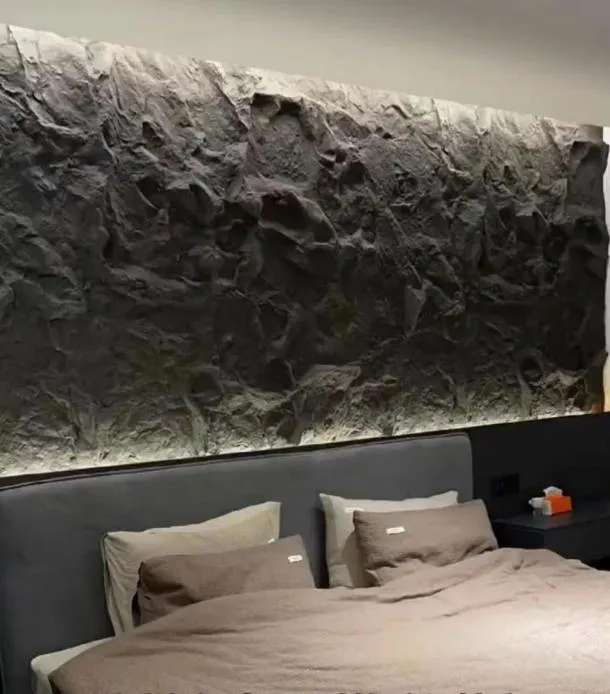
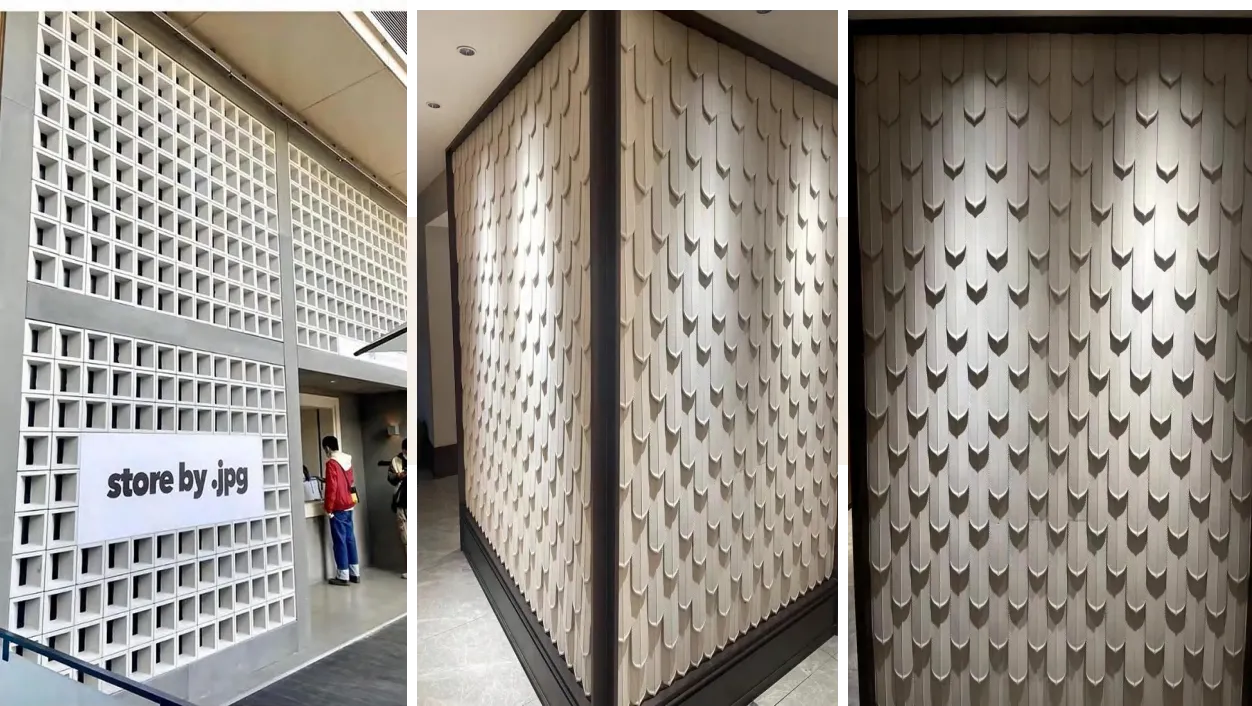
To truly understand the value of a PU stone wall panel supplier, let's break down their key roles. These are the day-to-day responsibilities that turn a simple product into a seamless solution.
1. Sourcing and Manufacturing: Ensuring Quality from the Start
For suppliers who don't manufacture their own panels, sourcing is the first critical step. This involves partnering with reputable manufacturers who use high-quality raw materials—pure polyurethane resin, UV-resistant pigments, and non-toxic additives. A reliable supplier will vet factories for ethical practices, production standards, and consistency. For in-house manufacturers, this role expands to overseeing the entire production process: from mixing the polyurethane formula to molding the panels, adding texture, and curing them to ensure durability.
Why does this matter? Poorly sourced panels might fade in sunlight, crack in cold weather, or emit harmful chemicals. A supplier that cuts corners here puts their clients' projects at risk. On the flip side, a supplier that prioritizes quality sourcing ensures that the panels not only look good but perform well over time—saving clients from costly replacements down the line.
2. Quality Control: Testing for Real-World Performance
Even the best raw materials can result in subpar products if quality control is lacking. PU stone wall panel suppliers invest in rigorous testing to ensure their panels meet industry standards. This includes checking for:
-
Weather resistance:
Panels are exposed to simulated rain, UV light, and temperature fluctuations to ensure they don't warp, fade, or peel.
-
Fire safety:
Many commercial projects (like hospitals or schools) require fire-rated materials. Suppliers test panels to ensure they meet local codes, such as Class A fire resistance.
-
Impact resistance:
Panels are dropped or struck to simulate accidental damage (think a stray moving box or a child's toy) to ensure they hold up.
-
Color consistency:
Batches of panels are checked to ensure uniform color, so a client ordering 500 panels for a project doesn't end up with mismatched shades.
For example, a supplier working on a hospital renovation would need to ensure their PU panels meet strict hygiene and fire safety standards—something that requires specialized testing and certification. Without this quality control, clients could face project delays, failed inspections, or even legal issues.
3. Custom Solutions: Tailoring Panels to Unique Projects
One size rarely fits all in construction and design. A hotel chain might want panels in a custom "sandy beige" to match their brand colors, while a homeowner might need extra-large panels to cover a wall without visible seams. This is where
PU stone wall panel solutions
shine—and where suppliers earn their keep.
Customization can include:
-
Color matching:
Using advanced pigment technology to replicate specific hues, from earthy tones to bold accent colors.
-
Size and shape:
Cutting panels to non-standard dimensions for unique architectural features, like curved walls or archways.
-
Texture variation:
Adjusting the surface texture to mimic rare stone types, such as travertine or sandstone, for high-end projects.
-
Specialized finishes:
Adding matte, glossy, or even metallic finishes to suit modern design trends.
A good supplier doesn't just say, "We can do that"—they work closely with the client to understand the project's goals, provide samples, and iterate until the final product is perfect. For instance, a luxury resort might want panels that look like aged stone to fit their tropical theme; the supplier would create prototypes with varying levels of "weathering" until the client approves.
4. Distribution and Logistics: Getting Panels Where They Need to Be
PU stone panels might be lightweight, but that doesn't mean shipping them is a breeze—especially for large orders. Imagine a contractor needing 2,000 panels delivered to a construction site in a remote area. Timing is critical: delays could hold up the entire project, costing thousands of dollars. A reliable supplier takes the stress out of logistics by managing transportation, storage, and delivery.
This involves coordinating with freight companies to ensure panels are packed securely (to prevent damage during transit), tracking shipments in real time, and communicating with the client about delivery windows. Some suppliers even offer white-glove service, where panels are delivered directly to the job site and unloaded by the supplier's team—saving the client time and labor costs.
For international clients, logistics get even more complex. Customs clearance, import duties, and long shipping times can derail a project. Suppliers with global experience navigate these hurdles seamlessly, ensuring panels arrive on schedule, no matter the destination.
5. Technical Support: Guiding Clients Through Installation and Beyond
You've ordered the perfect panels, and they've arrived on time—now what? Installing PU stone wall panels is easier than natural stone, but it still requires know-how. A great supplier doesn't abandon you at this stage; they provide the technical support needed to ensure a smooth installation.
This support can include:
-
Installation guides:
Step-by-step manuals with diagrams, tools lists, and tips for avoiding common mistakes (like improper adhesive application).
-
Video tutorials:
Visual guides for contractors or DIY homeowners who prefer learning by watching.
-
On-site training:
For large projects, sending a technical representative to train the installation team in person.
-
Troubleshooting help:
Answering questions like, "Why is this panel not adhering?" or "How do I repair a scratch?" via phone, email, or video call.
Post-installation support is equally important. If a panel gets damaged during construction or a client notices a defect, the supplier should offer replacements or repairs quickly. This level of service builds trust—and turns first-time clients into repeat customers.