

When you step into a modern café with sleek, floor-to-ceiling walls that look like polished stone but feel surprisingly cool to the touch, or walk through a luxury hotel lobby where the walls gleam with a seamless, marble-like finish, there's a good chance you're looking at porcelain slab tiles. These versatile, durable materials have become a staple in both residential and commercial spaces, but have you ever stopped to wonder who brings these tiles from the factory to your walls? That's where the porcelain slab tile for wall supplier comes in. In this article, we'll dive into what these suppliers do, why they matter in the building materials industry, and how they fit into the broader ecosystem of residential and commercial building materials suppliers . Whether you're a homeowner planning a renovation, an interior designer sourcing materials, or just curious about the behind-the-scenes of construction, let's break down the world of porcelain slab tile for wall suppliers—their definitions, functions, and the unique role they play in shaping the spaces we live and work in.
At its core, a porcelain slab tile for wall supplier is a company that specializes in sourcing, manufacturing, or distributing large-format porcelain slabs specifically designed for wall applications. But to call them just "tile sellers" would be an oversimplification. These suppliers are more like partners in the construction and design process—they don't just hand over boxes of tiles; they provide porcelain slab tile for wall solutions tailored to the unique needs of a project. Think of them as the bridge between raw materials and the finished wall you see in a restaurant, office, or home.
Porcelain slab tiles themselves are made from refined clay, sand, and minerals, fired at extremely high temperatures (up to 1200°C) to create a dense, non-porous material. What sets them apart from regular ceramic tiles is their size—slabs typically range from 3x5 feet to 6x10 feet or larger—and their thickness, which can vary from 6mm to 20mm depending on the application. For walls, thinner slabs (6-12mm) are common, as they're lighter and easier to install without compromising strength.
But a supplier's job goes beyond having these slabs in stock. They work closely with manufacturers to ensure quality, collaborate with designers to match aesthetic visions, and coordinate with contractors to ensure timely delivery and installation support. In many cases, they also offer customization: from unique finishes (matte, polished, wood grain, or even concrete-look) to custom sizes for projects that demand a specific look. For example, a hotel chain wanting uniform wall panels across 50 locations might partner with a supplier to create a signature porcelain slab design that aligns with their brand.

So, what exactly do these suppliers do day-to-day? Their functions are multi-faceted, touching every stage of the tile's journey from production to installation. Let's break down the most critical roles:
1. Quality Control and Sourcing : Not all porcelain slabs are created equal. Suppliers spend significant time vetting manufacturers to ensure the tiles meet industry standards—things like water absorption rates (porcelain is nearly non-porous, with absorption rates below 0.5%), scratch resistance (rated using the Mohs scale), and durability. For commercial projects like hospitals or schools, they might also ensure compliance with fire safety codes or anti-bacterial properties. Some suppliers even have their own manufacturing facilities, giving them full control over the production process.
2. Technical Expertise and Consultation : Walk into a supplier's showroom, and you'll likely meet teams trained to answer questions like, "Can this slab be used in a bathroom with high humidity?" or "What's the best adhesive for installing 10-foot slabs on a concrete wall?" They provide technical data sheets, installation guides, and even on-site consultations to help contractors avoid common pitfalls, like improper sealing or support structures for heavy slabs.
3. Logistics and Supply Chain Management : Transporting large, fragile slabs is no small feat. Suppliers manage complex logistics networks to ensure tiles arrive on-site undamaged and on schedule. This might involve specialized packaging (foam padding, reinforced crates), climate-controlled shipping for long distances, or coordinating with local delivery teams to navigate tight urban spaces. For international projects—say, a luxury villa in Saudi Arabia—a supplier might partner with freight forwarders to handle customs and import regulations, making them a key player in the global Saudi Arabia building materials supplier network.
4. After-Sales Support : Even after installation, reputable suppliers stick around. If a slab cracks during transit, they'll arrange replacements. If a client notices a color mismatch between batches, they'll work with manufacturers to resolve it. This level of support is especially important for large commercial projects, where delays or defects can cost thousands of dollars.

To understand the value of a porcelain slab tile for wall supplier , it helps to see where they stand among other wall solution providers. The market is crowded with options: MCM flexible cladding stone wall panel suppliers offer lightweight, bendable stone-like panels; bamboo charcoal board wall panel suppliers focus on eco-friendly, moisture-resistant options; and class A fireproof cpl inorganic board suppliers cater to high-safety environments like hospitals and schools. So what makes porcelain slab suppliers unique?
The table below compares porcelain slab tiles with two other popular wall panel types to highlight their distinct advantages:
| Feature | Porcelain Slab Tiles | MCM Flexible Cladding Panels | Bamboo Charcoal Board Panels |
|---|---|---|---|
| Material | Refined clay, sand, minerals (fired at high temps) | Stone veneer bonded to flexible backing (e.g., fiberglass) | Bamboo fibers + charcoal powder (compressed and laminated) |
| Durability | High (scratch, stain, and heat resistant; lifespan 50+ years) | Moderate (prone to denting; lifespan 20-30 years) | Moderate (resistant to moisture but less heat-resistant; lifespan 15-25 years) |
| Design Versatility | Extensive (digital printing allows marble, wood, concrete, or custom designs) | Limited (mostly natural stone looks; less customization) | Moderate (wood grain or solid colors; eco-friendly aesthetic) |
| Best For | High-traffic areas (lobbies, restaurants, bathrooms), statement walls | Curved walls, exterior facades, low-weight applications | Residential interiors (bedrooms, living rooms), low-moisture areas |
| Installation Complexity | Moderate (requires experienced installers for large slabs) | Easy (lightweight, can be cut on-site with basic tools) | Easy (lightweight, tongue-and-groove systems) |
As the table shows, porcelain slab tiles excel in durability and design flexibility, making them a top choice for spaces where both aesthetics and longevity matter. This positions their suppliers as go-to partners for projects that demand high performance without sacrificing style—whether it's a luxury hotel in Dubai or a modern home in New York.
Many porcelain slab tile for wall suppliers also position themselves as one-stop architectural solution providers . This means they don't just sell tiles; they offer a full suite of wall solutions, often partnering with other suppliers to provide complementary products like adhesives, sealants, or installation hardware. For example, a supplier might work with a flooring supplier to coordinate matching porcelain slabs for walls and floors, creating a cohesive look in a space. This "one-stop" approach saves clients time and reduces the hassle of managing multiple vendors.

Porcelain slab tile for wall suppliers serve a diverse range of clients, from individual homeowners to large construction companies. Let's take a closer look at their two primary markets: residential and commercial.
In residential settings, these suppliers work with homeowners, interior designers, and small contractors on projects like kitchen backsplashes, bathroom walls, feature walls in living rooms, or even outdoor patios (using frost-resistant slabs). Homeowners are drawn to porcelain slabs for their low maintenance—unlike natural stone, they don't need to be sealed regularly, and spills (think red wine or cooking oil) wipe away easily. The large format also means fewer grout lines, creating a sleek, modern look that's popular in contemporary homes.
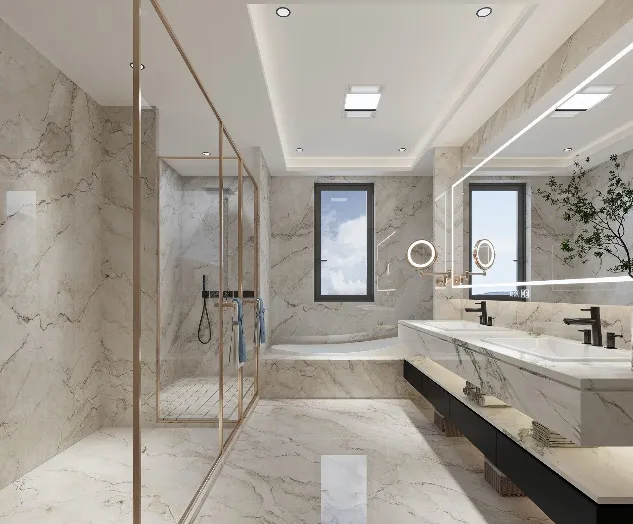
For example, a family renovating their bathroom might opt for 6x10-foot porcelain slabs that mimic Carrara marble. The supplier would help them choose the right thickness (8mm for walls), provide samples to match existing fixtures, and recommend a local installer experienced with large slabs. They might even offer custom cutting to fit around windows or niches, ensuring a perfect fit.
In the commercial sector, porcelain slab tile for wall suppliers become even more critical. Commercial projects—hotels, airports, office buildings, retail stores—have strict requirements for durability, safety, and scalability, and porcelain slabs check all these boxes. For instance, a hotel chain building 200 rooms might need thousands of square feet of uniform wall tiles. A supplier would manage bulk orders, ensure consistent color across batches, and coordinate delivery schedules to align with construction timelines.
Healthcare facilities are another key market. Porcelain's non-porous surface resists bacteria growth, making it ideal for hospital walls. Similarly, schools benefit from its scratch resistance—walls can withstand years of backpacks, chairs, and energetic students without showing wear. In these cases, suppliers often work with architects to ensure compliance with local building codes, such as fire ratings or accessibility standards.
Restaurants and retail spaces also lean heavily on porcelain slabs for their aesthetic appeal. A high-end restaurant might use book-matched slabs (where two slabs are cut from the same block to create a mirror image) for a dramatic feature wall behind the bar, while a clothing store might opt for wood-grain porcelain slabs to create a warm, inviting atmosphere. Suppliers help bring these design visions to life by offering a wide range of finishes and even collaborating with designers on custom patterns.

You might be thinking: Why not just buy porcelain slabs from a general building material supplier instead of a specialized one? The answer lies in the expertise and focus that specialized suppliers bring. Here are a few key benefits:
1. Deep Product Knowledge : General suppliers carry hundreds of products, from nails to roofing materials, so their knowledge of any single product is often surface-level. Porcelain slab specialists, on the other hand, live and breathe these tiles. They can tell you which slab is best for a high-moisture area (hint: look for low water absorption rates), how to repair a chip, or which adhesive works with underfloor heating systems. This level of detail can save you from costly mistakes.
2. Access to Exclusive Designs : Many specialized suppliers partner with top manufacturers (think Italian or Spanish brands known for innovative tile design) to offer exclusive patterns or finishes. If you're looking for a slab that mimics rare switzerland stone or cloud stone , a specialist is more likely to have access to these unique options than a general supplier.
3. Customization Capabilities : Need a slab with a logo embedded for a corporate office? Or slabs cut into specific shapes for a curved wall? Specialized suppliers have relationships with manufacturers that allow for these customizations. General suppliers, focused on high-volume, standard products, often can't accommodate such requests.
4. Project Management Support : Large projects require careful planning—especially when dealing with fragile, large-format slabs. Specialized suppliers offer project managers who oversee everything from order placement to delivery, ensuring that slabs arrive on time and in perfect condition. This is a game-changer for contractors working on tight deadlines.
It's not all smooth sailing for these suppliers. The industry comes with its own set of challenges, from market competition to logistical hurdles. Let's explore a few:
1. Price Pressure : Porcelain slabs are premium products, but that doesn't stop clients from seeking lower costs. Some competitors may cut corners—using lower-quality clay, skipping quality checks, or offering thinner slabs—to undercut prices. Reputable suppliers must balance affordability with quality, often educating clients on why investing in higher-grade slabs saves money in the long run (fewer replacements, lower maintenance).
2. Handling Large Slabs : While large slabs are a selling point, they're also a logistical nightmare. A 6x10-foot slab can weigh 200+ pounds, making transportation and installation risky. Suppliers invest in specialized equipment—like vacuum lifters for loading/unloading and custom crates with foam inserts—to minimize breakage, but accidents still happen. A single cracked slab can eat into profit margins, especially on small orders.
3. Keeping Up with Trends : Design trends change fast. One year, matte concrete-look slabs are in; the next, it's bold, veiny marble replicas. Suppliers must stay ahead of these trends by constantly updating their product lines, which requires close collaboration with manufacturers and attendance at trade shows (like Coverings in the U.S. or Cersaie in Italy). Failing to adapt can leave them with outdated inventory that's hard to sell.
4. Global Supply Chain Issues : Many porcelain slabs are manufactured in Europe, Asia, or the Middle East. Disruptions like port delays, raw material shortages (e.g., clay), or trade tariffs can delay shipments for months. During the COVID-19 pandemic, for example, many suppliers struggled to get slabs from Italy, forcing them to source from alternative regions or ration inventory. To mitigate this, some suppliers are investing in local manufacturing or building larger warehouses to stockpile popular slab designs.
The future looks bright for porcelain slab tile for wall suppliers, with new technologies and shifting consumer preferences driving innovation. Here are a few trends to watch:
1. Even Larger Formats : As cutting and manufacturing techniques improve, we'll see even bigger slabs—some manufacturers are already testing 10x16-foot options. These "super slabs" will allow for continuous wall surfaces with zero grout lines, creating a truly seamless look in luxury spaces.
2. Digital Printing Advancements : Digital printing technology is getting more sophisticated, allowing for hyper-realistic replicas of natural materials. Imagine a porcelain slab that mimics the texture and color variations of terrazzo tile or granite stone so closely that even experts can't tell the difference. Suppliers will lean into this to offer clients more design freedom without the cost or maintenance of natural stone.
3. Eco-Friendly Production : Sustainability is becoming a priority for both clients and regulators. Suppliers are partnering with manufacturers that use recycled materials in their slabs (e.g., post-consumer glass or industrial waste) and renewable energy in production. Some are even offering carbon-neutral delivery options, appealing to eco-conscious clients like LEED-certified buildings.
4. Smart Integration : While still in its early stages, there's potential for "smart" porcelain slabs embedded with technology. For example, slabs with built-in LED lighting for feature walls, or heat-conductive slabs that work with underfloor heating systems. Suppliers will need to collaborate with tech companies to bring these innovations to market.
5. Expansion into Emerging Markets : As urbanization grows in regions like the Middle East and Southeast Asia, demand for high-quality building materials is booming. Saudi Arabia building materials suppliers , for instance, are seeing increased interest in porcelain slabs for mega-projects like NEOM (a futuristic city under construction). Porcelain slab suppliers are expanding their global footprint to tap into these markets, offering localized solutions (e.g., heat-resistant slabs for desert climates).
At the end of the day, porcelain slab tile for wall suppliers are more than just vendors—they're enablers of design. They take abstract ideas (a designer's sketch, a homeowner's vision) and turn them into tangible, durable walls that stand the test of time. From sourcing raw materials to delivering the final slab, their work touches every stage of a project, ensuring that the spaces we inhabit are not just beautiful, but functional and built to last.
Whether you're planning a small bathroom renovation or a large commercial build, understanding the role of these suppliers can help you make better decisions. They're the experts who can guide you through material choices, anticipate challenges, and ensure your project stays on track. And as the industry evolves—with bigger slabs, smarter technology, and greener practices—porcelain slab tile for wall suppliers will continue to be at the forefront, shaping the future of architecture and design one slab at a time.
So the next time you admire a sleek, seamless wall in a hotel or restaurant, take a moment to appreciate the supplier behind it. They're the unsung heroes turning ordinary spaces into extraordinary ones.
Recommend Products











