
Construction is often celebrated for its grand structures—the skyscrapers piercing city skylines, the cozy homes where families grow, the hospitals that save lives. But behind every beam raised and every wall built lies a complex ecosystem of collaboration. Architects design, contractors build, engineers problem-solve, and somewhere in that mix, there are unsung heroes: the suppliers. Among them, plastic valve system suppliers stand out as quiet powerhouses, ensuring that the "veins and arteries" of any building—its plumbing and piping systems—function seamlessly. They don't just sell products; they shape project timelines, safety standards, and even sustainability goals. Let's dive into what these suppliers do, why they matter, and how they keep construction projects on track, one pipe and valve at a time.
At first glance, you might think a plastic valve system supplier is simply a company that sells valves made of plastic. But that's barely scratching the surface. These suppliers are full-service partners embedded in the construction process, offering expertise, reliability, and a product portfolio that extends far beyond valves. Think of them as the "plumbing logistics experts"—they source, test, distribute, and support a range of plastic-based piping solutions critical to any building's functionality.
A typical plastic valve system supplier might work with contractors, architects, and project managers on everything from residential complexes to commercial hubs, hospitals to schools. Their role starts long before a single pipe is laid: they consult on material selection, provide technical data to ensure compliance with local building codes, and even help troubleshoot on-site challenges. In short, they're not just vendors—they're collaborators who understand that a delayed pipe delivery or a subpar valve can derail an entire project.
Take, for example, a mid-sized residential project in Riyadh. The contractor needs durable, cost-effective piping for water supply, drainage, and waste management. A reputable plastic valve system supplier would step in to recommend the right products: maybe UPVC pipes for water lines (lightweight and corrosion-resistant), PVC DWV pipes for drainage (designed to handle waste and venting), and PPR pipes for hot water systems (heat-resistant and easy to install). They'd also supply the valves that control water flow, ensuring each component works in harmony. It's this level of integration that makes them indispensable.
While "plastic valve systems" are in the name, these suppliers offer a diverse range of products tailored to specific construction needs. Let's break down some of the most critical ones, and why they're chosen over traditional materials like metal or concrete.
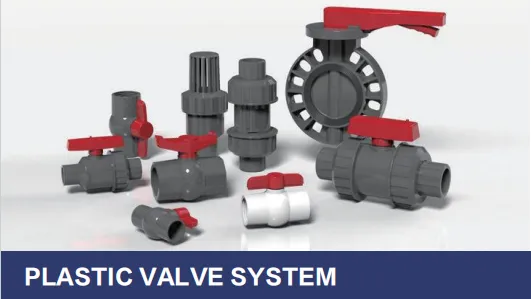
Valves are the "traffic cops" of plumbing systems, regulating the flow of liquids and gases. Plastic valves—made from materials like PVC, CPVC, or PPR—have become the go-to choice for modern construction, and for good reason. They're resistant to rust and corrosion (unlike metal), lightweight (easier to transport and install), and cost-effective (no need for expensive coatings or maintenance). A plastic valve system supplier might offer ball valves (for quick on/off control), gate valves (for full flow regulation), or check valves (to prevent backflow), each tested to withstand specific pressure and temperature ranges.
For instance, in a hospital, where water purity is non-negotiable, a supplier would recommend lead-free plastic valves certified for potable water use. In a commercial kitchen, they might suggest high-temperature resistant valves to handle hot water from dishwashers. The key? Matching the right valve to the job, and a good supplier knows exactly how to do that.
UPVC (Unplasticized Polyvinyl Chloride) pipes are a staple in residential and commercial plumbing, and for good reason. They're rigid, strong, and resistant to chemicals, making them ideal for transporting drinking water, irrigation, or even industrial fluids. An UPVC pipe supplier will often highlight their durability—these pipes can last 50+ years with minimal maintenance—and their ease of installation: they're lightweight, so workers can carry them without heavy machinery, and they connect via solvent cement, reducing labor time.
In coastal areas, where saltwater corrosion is a threat, UPVC pipes outshine metal alternatives. A school in Jeddah, for example, might opt for UPVC for its water supply lines to avoid the rust issues that plagued older steel pipes. The supplier would ensure these pipes meet Saudi Standards (SASO) and provide test reports to prove their pressure ratings, giving the project team peace of mind.
Drainage, Waste, and Vent (DWV) systems are the unsung heroes of hygiene in any building. They carry wastewater away and vent sewer gases, preventing odors and backups. A PVC DWV pipe supplier specializes in pipes designed for this exact purpose: smooth interiors to reduce clogs, chemical resistance to handle soaps and detergents, and a lightweight design that makes installation in tight spaces (like between floor joists) a breeze.
Imagine a high-rise apartment building with 50 units. Each unit has sinks, showers, and toilets, all relying on DWV pipes to function. A PVC DWV pipe supplier would work with the contractor to calculate the right pipe diameters (larger for main drains, smaller for branch lines) and ensure the system is sloped correctly for gravity flow. They might even provide custom fittings—elbows, tees, traps—to navigate around structural obstacles, ensuring the system works quietly and efficiently for decades.
When it comes to hot water systems—whether in a hotel, a gym, or a family home—PPR (Polypropylene Random Copolymer) pipes are the gold standard. A PPR pipe and fitting supplier will emphasize their heat resistance (they can handle temperatures up to 95°C) and their leak-proof joints, which are fused using heat welding. This fusion creates a seamless connection that's far less likely to burst than traditional threaded metal pipes, even under high pressure.
A resort in Dammam, for example, would rely on PPR pipes for its spa and hotel rooms. The supplier would not only deliver the pipes but also train the installation team on proper welding techniques, ensuring the system can handle the constant flow of hot water without leaks. It's this blend of product and support that sets top suppliers apart.
| Product Type | Primary Use | Key Benefits | Common Applications |
|---|---|---|---|
| Plastic Valves (PVC/CPVC/PPR) | Regulating water/gas flow | Corrosion-resistant, lightweight, cost-effective | Residential water lines, commercial kitchens, hospitals |
| UPVC Pipes | Water supply, irrigation | Durable (50+ year lifespan), chemical-resistant | Schools, homes, industrial facilities |
| PVC DWV Pipes | Drainage, waste, venting | Smooth interior (reduces clogs), easy to install | Apartment buildings, hotels, office complexes |
| PPR Pipes & Fittings | Hot/cold water systems | Heat-resistant, leak-proof welded joints | Spas, gyms, residential hot water lines |
If construction were a symphony, plastic valve system suppliers would be the conductors—ensuring every "instrument" (pipe, valve, fitting) plays in tune. Their impact ripples through every phase of a project, from planning to post-construction. Here's how they make a difference:
Construction delays are costly. A missed delivery of PPR pipes, for example, could leave a plumbing crew idle for days, eating into the project timeline and inflating labor costs. Plastic valve system suppliers mitigate this risk by offering reliable logistics. They maintain local warehouses (like in Riyadh or Jeddah) to ensure quick access to inventory, and they coordinate with contractors to align deliveries with installation schedules. Some even offer "just-in-time" delivery, reducing the need for on-site storage and the risk of theft or damage.
Cost control is another area where they shine. By offering bulk pricing and bundled products (e.g., valves, pipes, and fittings sold together), they help contractors stay within budget. For a small business owner building a café, this can mean the difference between turning a profit and overspending. A supplier might suggest switching from metal valves to plastic to cut costs without sacrificing quality, or recommend UPVC over copper pipes for a 30% reduction in material expenses.
Building codes are strict for a reason: they protect occupants. A faulty pipe could lead to water damage, mold growth, or even structural issues. Plastic valve system suppliers take compliance seriously. They only source products that meet international standards (like ISO, ASTM, or SASO) and provide certificates of conformity to project teams. For example, a hospital project in Riyadh would require pipes and valves that are lead-free and resistant to bacteria growth—suppliers ensure these products are tested and certified before delivery.
Testing doesn't stop at the factory, either. Many suppliers conduct third-party inspections on-site, checking pipe dimensions, valve pressure ratings, and fitting integrity. If a batch of PVC DWV pipes arrives with a manufacturing defect, the supplier will replace them immediately, saving the contractor from costly rework later. In an industry where "good enough" can have deadly consequences, this commitment to quality is non-negotiable.
Modern construction isn't just about building—it's about building responsibly. Plastic valve system suppliers are increasingly prioritizing sustainability, both in their products and operations. Plastic pipes, for example, require less energy to produce than metal alternatives (up to 70% less for UPVC compared to steel). They're also recyclable: many suppliers offer take-back programs for scrap pipes, turning waste into new materials.
In Saudi Arabia, where water conservation is a national priority, suppliers are pushing innovations like low-friction UPVC pipes that reduce water pressure loss, cutting energy use for pumps. They're also exploring bio-based plastics, made from renewable resources like sugarcane, to lower carbon footprints. For eco-conscious developers, these options aren't just "nice to have"—they're selling points that attract environmentally aware buyers.
A plastic valve system supplier rarely works in isolation. They're part of a larger team that includes architects, engineers, contractors, and project managers. Let's walk through how this collaboration plays out in a typical project:
Step 1: Design Phase – An architect sketches a commercial office building and specifies "plumbing systems to meet green building standards." The engineer then details the required flow rates, pressure, and pipe sizes. The supplier is brought in to recommend products: UPVC for cold water, PPR for hot water, and PVC DWV for drainage. They provide technical data sheets to ensure the products fit the engineer's calculations.
Step 2: Pre-Construction Planning – The contractor finalizes the timeline and orders materials. The supplier coordinates delivery dates, ensuring pipes and valves arrive when the plumbing crew is ready. They might even send a technical representative to review the site layout, flagging potential issues (e.g., "These PPR pipes need more clearance around the boiler room").
Step 3: Installation – The crew starts laying pipes, but hits a snag: the PVC DWV pipe doesn't fit the existing vent stack. The supplier's on-call technician arrives within hours, suggesting a custom elbow fitting that solves the problem. No delays, no extra costs.
Step 4: Post-Construction – The building opens, but a tenant reports low water pressure. The supplier sends a team to inspect the system, discovering a partially closed valve. They adjust it and provide maintenance tips to the building manager, ensuring long-term performance.
This level of teamwork isn't just efficient—it builds trust. Contractors who work with reliable suppliers are more likely to bid on projects with confidence, knowing their plumbing needs are in good hands.
It's not all smooth sailing for plastic valve system suppliers. They face their own set of challenges, from supply chain disruptions to evolving regulations. But it's how they adapt that sets the best apart.
Challenge 1: Raw Material Costs – Plastic prices fluctuate with oil costs, which can make budgeting tricky. To counter this, suppliers often lock in long-term contracts with manufacturers or invest in vertical integration (owning their own production facilities).
Challenge 2: Counterfeit Products – The demand for cheap plastic pipes has led to a rise in counterfeits, which fail prematurely. Reputable suppliers combat this with strict quality control and traceability systems (e.g., QR codes on products linking to test reports).
Innovation on the Horizon – Looking ahead, suppliers are exploring smart valves equipped with sensors that monitor flow rates and detect leaks in real time. Imagine a hospital where the plumbing system alerts maintenance staff to a dripping valve before it causes water damage—that's the future these suppliers are building.
The next time you turn on a faucet, flush a toilet, or take a hot shower, take a moment to appreciate the network of pipes and valves working behind the scenes. And remember: none of it would be possible without the plastic valve system suppliers who ensure those components are reliable, safe, and delivered on time. They're the quiet experts who turn blueprints into functional buildings, one pipe at a time.
In a world where construction projects grow more complex by the day, these suppliers aren't just keeping up—they're leading the way. Through innovation, collaboration, and a commitment to quality, they're helping build the cities of tomorrow, one valve, one pipe, one project at a time.
Recommend Products












