
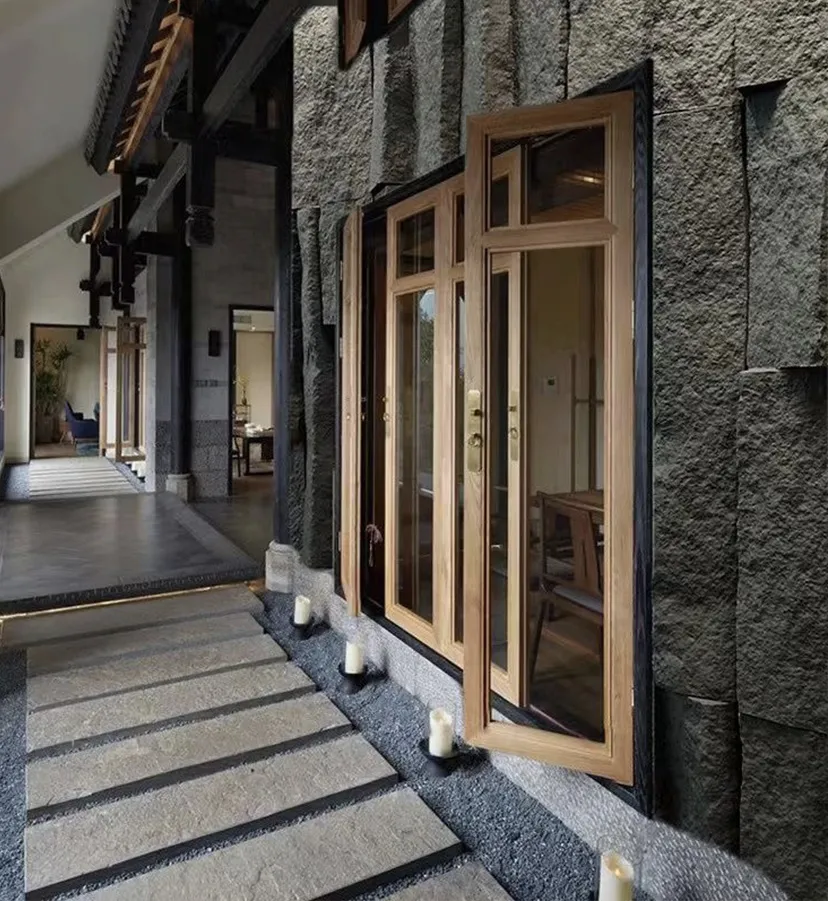
Strip rock wall panels have become a popular choice for both interior and exterior wall cladding projects. Their clean, linear stone appearance brings a modern yet natural aesthetic to any space. However, achieving a professional-looking result depends heavily on choosing the right installation pattern. As a leading building material supplier, COLORIA GROUP shares the most recommended installation patterns that contractors and designers use to get the best visual and structural results.
The running bond pattern is the most widely recommended installation method for strip rock panels. In this pattern, each row of panels is offset from the row below it, typically by half the panel length. This creates a staggered effect where vertical seams never align between adjacent rows.
Why it works best:
When installing in a running bond pattern, ensure that no two vertical seams are aligned unless separated by at least three courses. This rule of thumb helps maintain the integrity of the staggered effect and contributes to the overall durability of the installation.
The stacked pattern places panels directly above one another with aligned vertical joints, creating a clean, grid-like appearance. This pattern works exceptionally well for modern and minimalist interior designs where precision and symmetry are desired.
Best applications:
While visually striking, the stacked pattern requires a perfectly level substrate and precise installation. Even minor deviations become highly visible when joints are aligned. Professional installers recommend using a laser level throughout the entire installation process when working with this pattern.
For strip rock products available in multiple widths, the ashlar pattern creates a sophisticated, non-repeating layout. This pattern combines panels of different widths in a carefully planned arrangement that avoids any obvious repetition.
Key considerations for ashlar layout:
This pattern is ideal for exterior façades and feature walls where visual impact is a priority. The varied panel widths create depth and texture that catch natural light beautifully throughout the day, adding dynamic character to the surface.
While strip rock is traditionally installed horizontally, vertical installation has gained significant popularity for creating height-elongating effects in interior spaces. In this orientation, panels are installed vertically with staggered joints, similar to the running bond pattern but rotated 90 degrees.
When to use vertical installation:
Vertical installation also works well with PU stone wall panels, which are lightweight and easy to cut, making the vertical orientation more manageable during installation.
For customers seeking a truly distinctive and high-end look, herringbone and chevron patterns offer exceptional aesthetic appeal. These patterns require cutting strip rock panels at precise angles — typically 45 degrees for herringbone and 30 to 60 degrees for chevron — demanding careful planning and skilled execution.
Important Notes for Herringbone & Chevron:
Before deciding on an installation pattern, carefully evaluate these key factors that can significantly affect the final outcome:
Substrate condition: The wall surface must be structurally sound, clean, and level. Cement board, concrete block, and brick are all suitable substrates for stone veneer. Drywall alone is not recommended without proper preparation and the addition of a cement backer board layer.
Panel dimensions: The length-to-width ratio of your strip rock panels will influence which patterns look natural. Longer, narrower panels work well with running bond and vertical patterns, while panels with varied dimensions suit ashlar layouts better.
Lighting conditions: Both natural and artificial lighting can dramatically affect how patterns appear on the wall. Test a small section under the actual lighting conditions of the space before committing to a full installation.
Room proportions: The size and shape of the installation area should guide pattern choice. Horizontal patterns make walls appear wider, while vertical patterns add perceived height to a room.
Regardless of the pattern you choose, these professional practices will ensure the best outcome for your project:
The quality of your strip rock panels directly affects the final installation result. Panels with inconsistent dimensions, poor color matching, or substandard material composition will make even the best installation pattern look unprofessional. As a one-stop building material supplier, COLORIA GROUP provides a comprehensive range of wall cladding solutions including PU stone wall panels, WPC wall panels, bamboo charcoal boards, MCM flexible cladding stone panels, and porcelain slab tiles. Each product is manufactured to consistent dimensions and quality standards — essential for achieving clean, professional installation patterns.
Working with a reliable supplier also means access to technical support, product specifications, and material data sheets that help you plan your installation correctly from the start. Whether you are working on a residential renovation or a large-scale commercial project, having the right materials and guidance makes all the difference in the final result.
The installation pattern you choose for strip rock panels has a major impact on both the aesthetic outcome and long-term durability of your project. The running bond pattern remains the top recommendation for its balance of visual appeal and structural integrity. For bold design statements, the ashlar and herringbone patterns offer unique character that sets a space apart. Whatever pattern you select, proper substrate preparation, precise layout planning, and attention to detail during installation are the keys to a result that looks professional and lasts for years. Partner with an experienced building material supplier to ensure you have quality materials and reliable support throughout your project.
Recommend Products












