
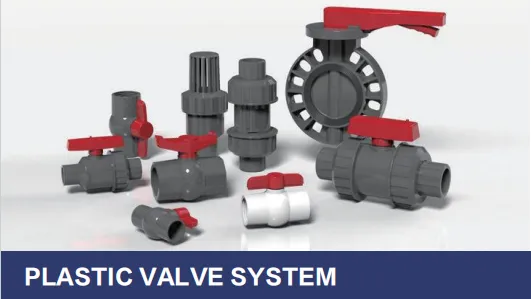
In the bustling world of construction and infrastructure, where every beam, pipe, and panel plays a critical role, there's a silent workhorse that often goes unnoticed: plastic valve systems. These unassuming components are the gatekeepers of water flow, the regulators of pressure, and the guardians of efficiency in everything from residential homes to sprawling commercial complexes. But here's the thing: not all plastic valve systems are created equal, and neither are the suppliers who provide them. A reliable plastic valve system supplier isn't just a vendor—they're a partner, invested in the success of your project from the first design sketch to the final inspection. So, what exactly should you expect from such a partner? Let's dive in.
At the heart of any trustworthy plastic valve system supplier is a product lineup that doesn't just scratch the surface but covers the full spectrum of needs. Think of it this way: a residential building might need simple, cost-effective valves for its plumbing, while a hospital requires high-pressure, corrosion-resistant options for its medical gas systems. A one-size-fits-all approach simply won't cut it. That's why top suppliers pride themselves on offering a diverse range of plastic valve system solutions, alongside complementary products that turn them into a one-stop shop for project managers and contractors.
For example, beyond plastic valve systems, you might find they're also a pvc dwv pipe supplier (DWV stands for Drain, Waste, and Vent—essential for managing wastewater in any building) and a ppr pipe and fitting supplier (PPR pipes are prized for their durability in hot water systems). Why does this matter? Because coordinating between multiple suppliers for valves, pipes, and fittings is a logistical headache. A supplier with a comprehensive portfolio streamlines the process, ensuring compatibility between components and reducing the risk of delays or mismatched parts.
| Product Category | Key Offerings | Typical Applications | Standout Benefits |
|---|---|---|---|
| Plastic Valve Systems | Ball valves, gate valves, check valves, butterfly valves | Residential plumbing, commercial HVAC, industrial fluid control | Lightweight, corrosion-resistant, easy to install |
| PVC DWV Pipes | Smooth-walled pipes, fittings, traps | Wastewater drainage in homes, offices, schools | High flow capacity, chemical resistance, low maintenance |
| PPR Pipe & Fittings | Hot/cold water pipes, elbows, tees, couplings | Residential hot water systems, commercial kitchens | Heat-resistant, leak-proof, long service life |
Take a recent project in Jeddah, Saudi Arabia, where a contractor was building a 20-story apartment complex. Instead of juggling three separate suppliers for valves, DWV pipes, and PPR fittings, they turned to a single supplier who could deliver all three. The result? A 15% reduction in delivery time and zero compatibility issues during installation. That's the power of a comprehensive product portfolio.
If there's one thing the construction industry teaches you, it's that no two projects are identical. A school in Riyadh has different requirements than a luxury hotel in Dubai, and a factory in Dammam needs something entirely different from a hospital in Mecca. A reliable plastic valve system supplier understands this and doesn't just hand over a catalog—they listen, ask questions, and craft solutions that fit the unique narrative of your project.
Let's say you're working on a hospital renovation. Hospitals have strict regulations: materials must be non-toxic, easy to sanitize, and fire-resistant. A standard plastic valve might not meet these criteria. A great supplier would step in, assess the specific needs (e.g., high-temperature tolerance for sterilization areas, low-lead content for patient safety), and recommend plastic valve system solutions that are certified to meet healthcare standards. Similarly, for a high-rise commercial building with limited space in the walls, they might suggest compact, space-saving valve designs that don't compromise on performance.
Customization isn't just about the product itself, either. It extends to packaging, labeling, and delivery schedules. For a large-scale project with phased construction, a supplier might offer just-in-time delivery, ensuring valves and pipes arrive exactly when they're needed—no storing excess materials on-site, no last-minute rushes. This level of flexibility turns the supplier into a strategic partner, not just a product provider.
Imagine this: You've spent months planning a residential development, and on the first day of occupancy, a plastic valve fails, causing a flood in the basement. The cost of repairs, not to mention the damage to your reputation, is astronomical. This scenario is every contractor's worst nightmare—and it's exactly why quality assurance is non-negotiable for a reliable supplier.
Top plastic valve system suppliers treat quality as a mission, not a marketing buzzword. They start with raw materials: only high-grade plastics (like PVC-U, PP, and PE) that are tested for strength, flexibility, and resistance to chemicals and UV rays. Then, during manufacturing, each valve undergoes rigorous testing—pressure testing to ensure it can handle operating conditions, leak testing to verify tight seals, and durability testing to simulate years of use. Many even go a step further, obtaining certifications from global bodies like ASTM, ISO, or local authorities (e.g., SASO in Saudi Arabia) to prove compliance with safety and performance standards.
But quality assurance doesn't stop at the factory door. Reputable suppliers also conduct third-party audits and random inspections of their inventory to catch any defects that might have slipped through. When you work with such a supplier, you're not just buying a valve—you're buying peace of mind, knowing that every component has been vetted to protect your project, your clients, and your bottom line.
Let's be honest: Construction projects are complex. Even seasoned contractors can hit a wall when choosing between valve types or figuring out the right pressure rating for a specific application. That's where technical support comes in. A reliable plastic valve system supplier doesn't just sell you a product and disappear—they provide a team of experts who act as an extension of your own staff.
Need help selecting the right valve for a low-flow residential system? Their technical team can walk you through the pros and cons of ball valves vs. gate valves. Stuck on how to install PPR pipe fittings in a tight crawl space? They might offer on-site training or video tutorials to ensure your crew gets it right the first time. For larger projects, they might even assign a dedicated account manager who learns the ins and outs of your project, from blueprints to deadlines, and provides tailored advice every step of the way.
This level of support is especially valuable in regions like Saudi Arabia, where building codes and climate conditions (think extreme heat and sand) can present unique challenges. A supplier with local expertise will understand these nuances, ensuring your plastic valve systems and PVC DWV pipes are designed to withstand the environment and comply with local regulations.
The mark of a truly great supplier isn't how they treat you before the sale—it's how they support you after. Even the best products can run into issues: a valve might arrive damaged, a fitting might be missing, or a sudden design change might require a last-minute replacement. When these curveballs happen, you need a supplier who's responsive, accountable, and ready to make it right.
Top suppliers offer robust after-sales service, including warranties that cover defects in materials or workmanship, a dedicated customer service team available via phone or email, and a quick turnaround on replacements or repairs. Some even go above and beyond, offering maintenance tips to extend the life of your valves and pipes or conducting follow-up checks to ensure everything is running smoothly post-installation.
Consider a scenario where a school project discovers a leak in a PVC DWV pipe a month after installation. A less reliable supplier might point fingers or drag their feet on a solution. But a great one? They'd dispatch a technician within 24 hours, assess the issue, and replace the faulty pipe—no questions asked. Because they understand that your success is their success, and a problem with their product is a problem with their reputation.
In today's world, sustainability isn't just a trend—it's a responsibility. More and more clients are prioritizing eco-friendly materials and practices, and your choice of plastic valve system supplier can make or break your project's green credentials. The best suppliers get this, and they're actively working to reduce their environmental footprint while offering products that align with sustainable building goals.
How do they do this? For starters, many use recycled plastics in their manufacturing process, reducing reliance on virgin materials. Others design their valves and pipes to be energy-efficient, minimizing water waste through tight seals and low-friction flow. Some even offer recycling programs for old components, ensuring they don't end up in landfills. By partnering with a supplier that values sustainability, you're not just meeting client demands—you're contributing to a greener, more resilient built environment.
At the end of the day, choosing a plastic valve system supplier is about more than comparing prices or checking off product lists. It's about finding a partner who understands your project's unique challenges, has the expertise to guide you through them, and stands by their products long after the final invoice is paid. From comprehensive product portfolios that include plastic valve system solutions, PVC DWV pipes, and PPR fittings, to tailored customization, rigorous quality checks, expert technical support, and unwavering after-sales service, the right supplier is the invisible foundation that helps your project stand strong.
So, the next time you're in the market for plastic valve systems, ask yourself: Does this supplier see me as a customer, or as a long-term partner? The answer could be the difference between a project that meets expectations and one that exceeds them.
Recommend Products












