

Commercial renovations are a high-stakes dance of deadlines, budgets, and big expectations. Whether you're revamping a bustling hotel lobby, a sleek office space, or a busy retail store, every choice—from the color of the walls to the durability of the materials—shapes the project's success. And at the heart of that success? The suppliers you partner with. When it comes to critical elements like wall panels, especially WPC (Wood-Plastic Composite) options that blend aesthetics, durability, and functionality, choosing a reliable wpc wall panel supplier isn't just a procurement decision—it's a strategic investment in your project's timeline, quality, and long-term performance. But what exactly makes a supplier "reliable" in this fast-paced, high-pressure world? Let's break it down.
Before diving into what makes a supplier stand out, let's take a moment to appreciate why WPC wall panels have become a go-to choice for commercial renovations. Unlike traditional wood or drywall, WPC panels are a hybrid of wood fibers and plastic, offering the best of both worlds: the warm, natural look of wood with the water resistance, durability, and low maintenance of plastic. For high-traffic areas like hotels, restaurants, or office buildings, this means panels that can withstand scuffs, moisture, and daily wear without losing their appeal. They're also lightweight, easy to install, and often come in a range of finishes—from sleek modern grays to rich wood grains—making them versatile for any design vision.
But here's the catch: not all WPC wall panels (or their suppliers) are created equal. A subpar panel might warp in humid conditions, fade under harsh lighting, or fail to meet fire safety standards—costing you time, money, and reputation down the line. That's why partnering with a wpc wall panel solutions provider that prioritizes quality and reliability is non-negotiable.

So, how do you separate the average suppliers from the ones that will actually contribute to your project's success? Here are the key traits to look for:
Reliable suppliers don't cut corners on materials. Ask about their manufacturing process: Do they use high-grade wood fibers and virgin plastic (not recycled scrap that can weaken the panel)? How do they test for durability—moisture resistance, impact strength, UV stability? A trustworthy commercial building materials supplier will happily share certifications (like ISO 9001 for quality management) or third-party test reports. For example, a panel that claims to be "waterproof" should have data to back it up—say, a 24-hour submersion test with no swelling. Similarly, fire safety is critical in commercial spaces; look for panels that meet local fire codes (like Class B or Class A ratings, depending on the project).
One quick way to gauge quality? Ask for samples. A supplier confident in their product will send you free samples without hesitation, letting you feel the texture, test the weight, and even simulate wear (try scratching it with a key—if it leaves a deep mark, keep looking). Remember, in commercial renovations, "good enough" rarely is.
Commercial projects are rarely cookie-cutter. Maybe your hotel renovation calls for custom panel sizes to fit unique wall curves, or your restaurant needs a specific color match to align with brand guidelines. A reliable supplier doesn't just sell panels—they offer wpc wall panel solutions tailored to your project's needs. This could mean custom dimensions, unique finishes, or even pre-cut panels to speed up installation.
For example, I recently worked with a retail client who wanted WPC panels with a custom embossed pattern to mimic natural stone. A lesser supplier might have said, "We only carry standard designs," but the right partner collaborated with their factory to create a prototype, adjusted the texture based on feedback, and delivered the custom panels on time. That's the kind of flexibility that turns a stressful renovation into a smooth process.
Renovating a hospital is different from renovating a shopping mall—and a reliable supplier understands that. A wpc wall panel supplier with industry experience will ask the right questions: "Is this for a wet area like a bathroom?" (then recommend moisture-resistant panels) or "Will the space have high foot traffic?" (then suggest thicker, more impact-resistant options). They'll also stay updated on trends and regulations, like the growing demand for low-VOC (volatile organic compound) panels in eco-conscious projects or antimicrobial coatings for healthcare facilities.
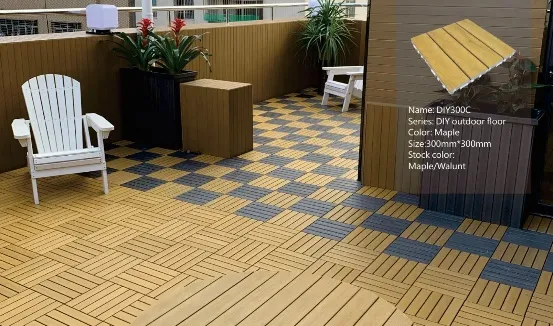
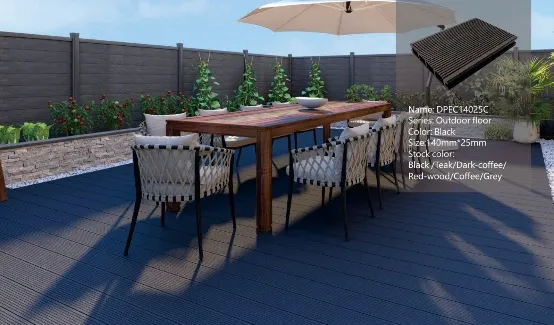
Bonus points if they offer complementary products, too. Many top suppliers are more than just WPC specialists; they're a flooring supplier or flooring solutions provider as well, offering coordinated flooring options that pair seamlessly with their wall panels. This "one-stop shop" approach saves you the hassle of managing multiple vendors and ensures design consistency.
There's nothing worse than finalizing your design, scheduling installers, and then getting a call: "Sorry, the panels are delayed—our factory in X country is backed up." In commercial renovations, delays cost money (think: missed opening dates, extended rental of construction equipment, unhappy clients). A reliable supplier has a resilient supply chain with redundant manufacturing partners or local warehouses to avoid disruptions. They'll also be upfront about lead times—no vague "2-4 weeks" promises. Instead, they'll give you a detailed timeline, including production, shipping, and delivery, and proactively communicate if there's a hiccup (like a port strike) so you can adjust your schedule.
Transparency is key here. Ask where their panels are manufactured, how they handle logistics, and what contingency plans they have for delays. A supplier who can't answer these questions is a red flag.
Great customer support doesn't end after the sale. What if a panel arrives damaged? Or your installer has a question about proper mounting? A reliable supplier offers responsive, knowledgeable support—whether it's via phone, email, or even on-site visits. Look for suppliers with dedicated account managers who know your project inside out, not a generic call center that treats you like a ticket number.
Warranty is another telltale sign. A 1-year warranty might be standard, but a supplier who believes in their product will offer 5, 10, or even 15 years of coverage against defects. Just make sure the warranty is clear—what's covered (manufacturing defects) and what's not (damage from improper installation).
Today's clients and tenants care about sustainability—and so should your supplier. WPC panels are inherently eco-friendly (they reduce reliance on hardwoods and often use recycled materials), but a forward-thinking wpc wall panel supplier takes it further. Do they use renewable energy in their factories? Recycle waste from production? Offer panels with low formaldehyde emissions (important for indoor air quality)? Certifications like FSC (Forest Stewardship Council) or GREENGUARD can signal a commitment to sustainability.
Sustainability isn't just good for the planet—it's good for business. More and more commercial projects are pursuing LEED or BREEAM certifications, and using eco-friendly materials can earn you points toward those goals. A supplier who aligns with your sustainability values isn't just a vendor—they're a partner in building a better future.
Finally, talk to their clients. A reliable supplier will have a portfolio of completed commercial projects—hotels, offices, restaurants—with case studies or references. Reach out to those clients: Did the supplier deliver on time? Were the panels as described? How was their support during and after installation?
One hotel manager I spoke to raved about their WPC supplier: "We renovated 100 guest rooms, and the panels arrived exactly when promised. When a few panels had minor scratches, they sent replacements overnight at no cost. The finished rooms look amazing, and a year later, the panels still look brand new." That's the kind of testimonial that speaks louder than any sales pitch.

Still on the fence about investing in a reliable supplier? Let's talk about the risks of going with the cheapest option. Imagine this: You're renovating a busy restaurant, and you choose a budget WPC supplier to save on costs. The panels arrive two weeks late, pushing back your opening date and costing you thousands in lost revenue. Once installed, they start warping in the kitchen's humid environment, forcing you to replace them mid-operational. Then, when you reach out for support, the supplier ghosts you. Suddenly, that "cheap" panel isn't so cheap anymore.
On the flip side, a reliable supplier might charge a bit more upfront, but they'll save you money in the long run: fewer replacements, faster installation, and a project that stays on schedule. Plus, happy clients (and tenants) lead to repeat business and positive word-of-mouth—priceless in the commercial renovation industry.

Ready to find your ideal WPC wall panel supplier? Here's how to start:
At the end of the day, a reliable wpc wall panel supplier isn't just someone who sells you products—they're a partner invested in your project's success. They understand that your reputation is on the line, and they work tirelessly to deliver panels that meet your quality, timeline, and budget needs. Whether you're a contractor, architect, or project manager, choosing the right supplier can turn a stressful renovation into a smooth, successful experience—one that leaves your clients impressed and coming back for more.
So, take the time to vet your options. Ask the hard questions. Demand quality. Your project (and your peace of mind) will thank you.
| Factor | Average Supplier | Reliable Supplier |
|---|---|---|
| Product Quality | Uses recycled or low-grade materials; few certifications. | Uses high-grade materials; provides third-party test reports and certifications. |
| Customization | Offers only standard sizes/finishes. | Provides custom designs, sizes, and finishes to fit project needs. |
| Lead Times | Vague timelines; frequent delays. | Clear, detailed timelines; proactive communication about potential issues. |
| Customer Support | Hard to reach; generic responses. | Dedicated account managers; responsive, on-site support when needed. |
| Sustainability | No focus on eco-friendly practices. | Uses renewable materials; prioritizes energy efficiency and recycling. |
Recommend Products











