

In the global construction and design industry, epoch stone has carved out a distinctive niche as a premium decorative material. But for international buyers — from procurement managers to architectural specifiers — the critical question is not just what epoch stone is, but what separates a truly premium supplier from the rest. In a market crowded with manufacturers and traders, identifying the defining traits of a top-tier epoch stone supplier can mean the difference between a successful project and a costly sourcing mistake.
Epoch stone refers to decorative stone materials that draw their aesthetic character from specific geological periods and formations. Unlike mass-produced synthetic alternatives, genuine epoch stone carries unique mineral signatures, natural color variations, and textural depth that only millions of years of geological processes can create. This organic authenticity is precisely what drives demand among architects, interior designers, and property developers working on high-end residential, hospitality, and commercial projects worldwide.
As a category within decorative profiles, epoch stone products serve both functional and aesthetic roles — from feature walls and exterior cladding to custom architectural elements. The international market has seen consistent growth in demand for such materials, particularly from regions like the Middle East, Southeast Asia, and Europe, where construction activity remains robust and design expectations are high.
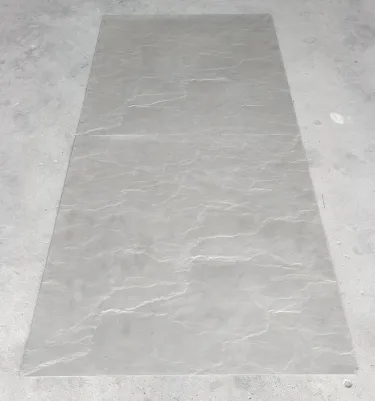
A premium supplier distinguishes itself first and foremost through the authenticity of its materials. This means offering epoch stone with consistent mineral composition, verified geological provenance, and natural color integrity — not artificially dyed or chemically altered substitutes. Top-tier suppliers maintain rigorous quality control at every stage, from quarry selection through final finishing. Buyers should expect clear documentation of material origin, including the geological era and formation characteristics of the stone being purchased.
Surface integrity is a telltale indicator. Premium epoch stone solutions exhibit glass-smooth finishing with minimal natural flaws, rich and even mineralization throughout the slab, and no visible fissures or pitting that would compromise structural performance. The thumb test — running a thumb firmly across the surface — should leave no dusty residue, indicating proper density and composition.
The gap between a good supplier and a premium one often lies in manufacturing capability. Advanced processing technologies — including precision water-jet cutting, CNC machining, and high-definition surface finishing — allow suppliers to deliver epoch stone products that meet exact specifications for complex architectural projects. A premium supplier invests in modern equipment and skilled craftsmanship, enabling them to produce custom sizes, edge profiles, and surface treatments that off-the-shelf suppliers simply cannot match.
Processing precision also directly affects installation outcomes. Tight dimensional tolerances reduce on-site cutting waste, speed up installation timelines, and ensure seamless visual continuity across large surfaces — all critical factors for international projects where labor costs and timelines are tightly managed.
In the international market, certifications are non-negotiable. A premium epoch stone supplier holds recognized quality management certifications such as ISO 9001, environmental management credentials like ISO 14001, and product-specific certifications that validate performance characteristics like water absorption rates, frost resistance, and flexural strength. For European and North American markets, CE marking and compliance with relevant EN standards are essential.
Beyond mandatory certifications, leading suppliers also invest in third-party testing for fire resistance ratings, slip resistance coefficients, and volatile organic compound (VOC) emissions — addressing the full spectrum of concerns that international specifiers bring to the procurement table.
A premium supplier is defined as much by its logistics capabilities as by its product quality. International buyers need partners who can consistently deliver on time, handle complex export documentation, manage customs clearance efficiently, and provide flexible shipping options — whether FCL (full container load) or LCL (less than container load).
The best suppliers maintain buffer stock for popular lines, offer transparent lead time commitments, and have established relationships with reliable freight forwarders. They also provide real-time order tracking and proactive communication about any supply chain disruptions. For large-scale projects, the ability to deliver consistent batch quality across multiple containers over extended periods is a hallmark of a truly premium operation.
One-size-fits-all does not work in high-end construction. Premium epoch stone suppliers distinguish themselves through their willingness and ability to collaborate on custom solutions. This includes producing non-standard dimensions, developing unique surface finishes (honed, brushed, flamed, antiqued), creating book-matched patterns for feature walls, and even formulating custom color blends for large-scale projects.
The collaborative dimension extends to technical support — providing sample boards, mock-up panels, installation guidelines, and maintenance protocols specific to the stone type and application. For architects and designers working across time zones, responsive communication and a consultative approach to problem-solving are equally important indicators of a premium-level supplier.
Sustainability has moved from a nice-to-have to a core requirement in international procurement. A premium epoch stone supplier demonstrates commitment to responsible quarrying practices, water recycling systems, waste reduction programs, and community benefit initiatives in sourcing regions. Transparency in the supply chain — from quarry to factory to port — gives international buyers confidence that their materials meet both regulatory requirements and their own corporate ESG commitments.
Leading suppliers are increasingly providing carbon footprint data for their products, using recycled content in packaging, and participating in industry-wide sustainability certification programs. These practices not only satisfy compliance requirements but also align with the values of forward-thinking developers and architects worldwide.
When evaluating potential epoch stone suppliers, international buyers should assess each candidate across multiple dimensions rather than focusing on price alone. The total cost of ownership — including logistics, potential quality issues, and project delays — often reveals that a slightly higher unit price from a premium supplier delivers significantly better overall value.
| Evaluation Dimension | What to Look For | Red Flags |
|---|---|---|
| Product Samples | Consistent quality across multiple samples; matches catalog imagery | Samples differ significantly from production photos; unwilling to provide fresh samples |
| Factory Audit | Clean, organized facility; modern equipment; documented QC processes | Refuses factory visits; disorganized production floor; no visible quality control |
| Reference Projects | Verifiable project list with photos and client references | Vague claims without specifics; unwilling to provide references |
| Communication | Responsive, detailed, English-proficient team; clear documentation | Slow responses; vague answers; language barriers affecting technical discussions |
| Certifications | Current, verifiable ISO, CE, and product-specific certifications | Expired or unverifiable certificates; claims without documentation |
International construction projects rarely require just one type of material. A developer building a hotel, for example, may need epoch stone for decorative walls, porcelain slabs for flooring, sanitary fixtures for bathrooms, and customized furniture for guest rooms — all sourced from different categories. Working with a building material supplier that offers a comprehensive product range dramatically simplifies procurement, reduces logistics complexity, and creates leverage for better pricing and service terms.
Companies like COLORIA GROUP embody this one-stop philosophy. With 13 product categories spanning walls, flooring, ceiling, pipes and fittings, sanitary fixtures, customized furniture, home appliances, windows and doors, decorative profiles, elevators, electrical fixtures, lights, and solar panels, the company provides integrated architectural façade solutions and interior material packages that eliminate the need to coordinate with dozens of separate suppliers. This consolidated approach is particularly valuable for international buyers who may be managing projects remotely and need reliable, centralized sourcing partners.
Selecting a premium epoch stone supplier is ultimately about finding a partner, not just a vendor. The right supplier brings more than quality materials to the table — they contribute technical expertise, logistical reliability, design collaboration, and a genuine commitment to project success. For international buyers, this means investing time in due diligence: requesting and reviewing samples, conducting factory visits or virtual audits, checking certifications and references, and evaluating communication quality throughout the inquiry process.
In a market where the difference between premium and mediocre can be measured in millimeters of tolerance, percentage points of water absorption, and days of delivery delay, the qualities that define a top-tier supplier are clear. Material authenticity, manufacturing precision, international compliance, supply chain reliability, design flexibility, and ethical practices — these are the benchmarks against which every epoch stone supplier should be measured. Buyers who hold their suppliers to these standards position their projects for better outcomes, fewer headaches, and surfaces that truly stand the test of time.
Key Takeaways for International Buyers
Recommend Products












