In the world of interior design, the quest for materials that balance beauty, durability, and functionality is eternal. Over the years, interior decoration materials have evolved from basic plaster and wood to sophisticated composites that cater to modern lifestyles. Today, homeowners, architects, and designers are increasingly drawn to solutions that not only elevate aesthetics but also stand the test of time—especially in high-traffic or moisture-prone spaces. Among these innovative options, WPC wall panel solutions have emerged as a standout choice, redefining how we approach wall design in both residential and commercial settings. More than just a decorative element, WPC (Wood-Plastic Composite) wall panels represent a fusion of nature-inspired aesthetics and industrial resilience, making them a versatile addition to the modern design toolkit.
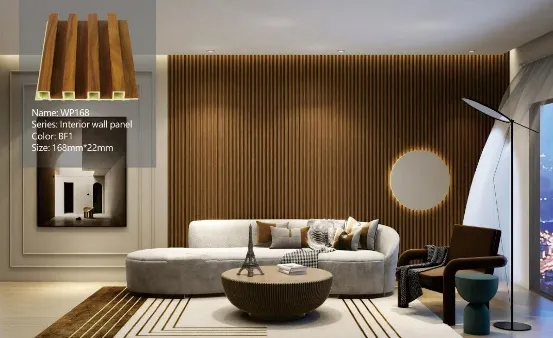
At their core, WPC wall panel solutions are engineered composite materials designed for interior and exterior wall cladding. WPC, short for Wood-Plastic Composite, is created by blending wood fibers (or wood flour) with thermoplastics (such as polyethylene, polypropylene, or PVC) and a mix of additives—including UV stabilizers, colorants, and foaming agents. This unique composition results in a material that harnesses the best of both worlds: the natural look and feel of wood, and the durability and low maintenance of plastic.
The manufacturing process of WPC wall panels involves melting the plastic components, mixing them with wood fibers and additives, and then extruding or compressing the mixture into panels of various sizes, thicknesses, and textures. Advanced techniques allow for intricate surface patterns, from realistic wood grains and stone textures to smooth, contemporary finishes, ensuring that WPC panels can mimic high-end materials like hardwood or marble at a fraction of the cost. As a result, WPC wall panel solutions have become a go-to for those seeking interior decoration materials that offer both style and substance.
What sets WPC wall panel solutions apart from traditional interior decoration materials? Let's break down their most compelling advantages:
1. Exceptional Moisture Resistance
Unlike solid wood or even some engineered wood products, WPC panels are inherently resistant to moisture. The plastic component in the composite creates a barrier that prevents water absorption, making them ideal for bathrooms, kitchens, basements, and other areas prone to humidity. This resistance also means they won't warp, rot, or develop mold—common issues with organic materials in damp environments.
2. Unmatched Durability
WPC wall panels are built to withstand daily wear and tear. They are scratch-resistant, impact-resistant, and less likely to chip or crack compared to materials like ceramic tiles or MDF. This durability makes them suitable for high-traffic spaces such as offices, retail stores, and family homes with children or pets. Many manufacturers back their WPC panels with 10–15 year warranties, a testament to their long lifespan.
3. Low Maintenance Requirements
Gone are the days of sanding, staining, or painting walls to keep them looking fresh. WPC wall panels require minimal upkeep: a quick wipe with a damp cloth or mild soap is usually enough to remove dust, dirt, or spills. They don't need sealing, polishing, or special treatments, saving homeowners time and money on maintenance over the years.
4. Design Flexibility
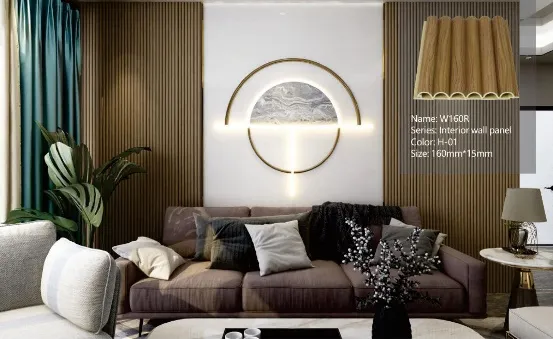
WPC wall panel solutions excel in versatility. They come in a wide range of colors, textures, and patterns, from warm oak and walnut wood grains to sleek concrete or stone finishes. Some panels even feature 3D embossed designs or metallic accents, allowing designers to create custom looks that align with any aesthetic—whether modern minimalist, rustic, or industrial. This flexibility extends to sizing, with options for large-format panels that reduce installation time and seam visibility.
5. Eco-Friendly Credentials
Sustainability is a growing concern in the construction and design industries, and WPC wall panels deliver here as well. Many WPC products are made using recycled wood fibers and plastic, diverting waste from landfills. Additionally, they reduce the demand for hardwood, helping to preserve forests. Unlike some interior decoration materials that emit harmful VOCs (volatile organic compounds), WPC panels are often low-emission, contributing to healthier indoor air quality.
Types of WPC Wall Panels
WPC wall panel solutions are not a one-size-fits-all product. Manufacturers offer a variety of types to suit different applications, design preferences, and performance needs. Here are some of the most common categories:
By Surface Texture
-
Wood Grain WPC Panels:
These mimic the look of natural wood, with detailed grains and knots that evoke warmth and timelessness. Popular options include oak, pine, teak, and walnut finishes, making them a favorite for residential spaces like living rooms and bedrooms.
-
Stone Texture WPC Panels:
Designed to replicate the appearance of marble, granite, or slate, these panels add a touch of luxury to commercial lobbies, hotel rooms, or high-end residential bathrooms. They offer the elegance of natural stone without the weight or porosity.
-
Smooth/Contemporary WPC Panels:
Featuring a sleek, uniform surface, these panels are ideal for modern or minimalist designs. They often come in solid colors (white, gray, black) or subtle metallic hues, perfect for accent walls or office spaces.
By Application
-
Residential WPC Panels:
Lightweight and easy to install, these panels are tailored for homes. They prioritize aesthetics and comfort, with options for acoustic insulation or thermal properties to enhance livability.
-
Commercial WPC Panels:
Built for durability, these panels are thicker and more impact-resistant, making them suitable for offices, restaurants, retail stores, and healthcare facilities. Some are even fire-rated for compliance with commercial building codes.
-
Outdoor WPC Panels:
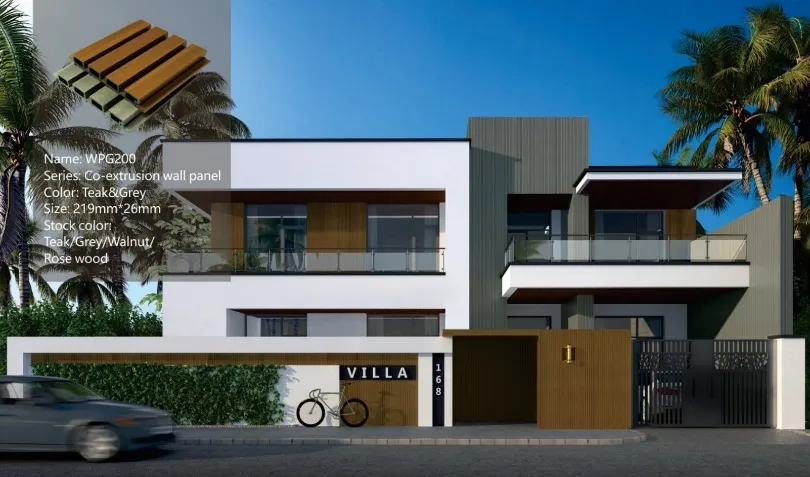
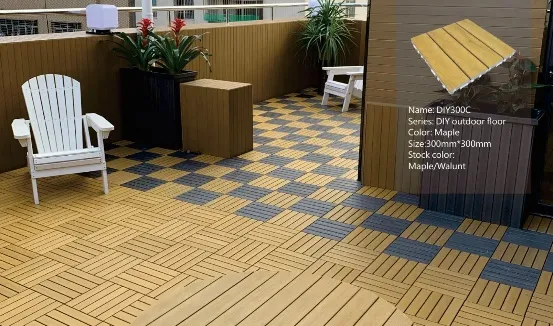
While primarily used indoors, some WPC panels are treated with extra UV stabilizers and weather-resistant additives for covered outdoor spaces like patios, porches, or sunrooms. They resist fading and degradation from rain or sunlight.
The versatility of WPC wall panel solutions makes them suitable for a wide range of spaces, both residential and commercial. Let's explore how they are transforming interiors across different settings:
Residential Spaces
-
Living Rooms:
WPC panels are often used as accent walls behind TVs or fireplaces, adding texture and depth. Wood grain finishes here create a cozy, inviting atmosphere, while stone textures can introduce a focal point of luxury.
-
Bathrooms:
Thanks to their moisture resistance, WPC panels are a game-changer for bathroom walls. They eliminate the need for tile grout (which traps mold) and can be installed over drywall or cement boards, offering a seamless, clean look.
-
Bedrooms:
For a serene retreat, WPC panels in soft wood tones or neutral colors add warmth without overwhelming the space. They also help with sound absorption, reducing noise from adjacent rooms.
-
Kitchens:
As a backsplash or full wall covering, WPC panels resist splashes, grease, and heat, making them a practical alternative to tile or laminate. Their easy-to-clean surface simplifies kitchen maintenance.
Commercial Spaces
-
Offices:
WPC panels in sleek, modern finishes are used to create professional, distraction-free environments. They can be paired with flooring solutions (such as WPC flooring) for a cohesive look, enhancing brand identity in reception areas or meeting rooms.
-
Restaurants & Cafés:
To align with themes—whether rustic, industrial, or coastal—WPC panels offer customizable aesthetics. For example, a beach-themed café might use light wood grain panels, while a steakhouse could opt for dark, stone-textured panels to evoke warmth.
-
Retail Stores:
Retailers use WPC panels to create eye-catching displays or feature walls that highlight products. Their durability ensures they withstand frequent customer traffic and occasional bumps from shopping carts.
-
Healthcare Facilities:
Some WPC panels are designed with antimicrobial properties, making them suitable for hospitals, clinics, or senior living centers. They resist bacteria growth and are easy to sanitize, supporting infection control protocols.
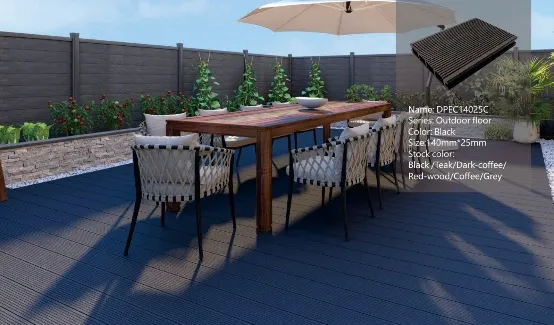
To truly understand the value of WPC wall panel solutions, it's helpful to compare them with other popular interior decoration materials. The table below highlights key differences in composition, performance, and suitability:
|
Material
|
Composition
|
Moisture Resistance
|
Durability
|
Fire Rating
|
Aesthetics
|
Cost (per sq. ft)
|
Best For
|
|
WPC Wall Panels
|
Wood fibers + plastic + additives
|
Excellent (resists rot/mold)
|
High (scratch/impact-resistant)
|
Class B (some Class A options)
|
Versatile (wood, stone, smooth finishes)
|
$3–$8
|
Bathrooms, kitchens, high-traffic areas
|
|
MCM Flexible Cladding Stone Panels
|
Stone particles + polymer resin
|
Good (water-resistant but not fully waterproof)
|
Medium (prone to chipping if impacted)
|
Class A
|
Natural stone look (high-end)
|
$10–$20
|
Exterior facades, luxury interiors
|
|
Bamboo Charcoal Board Panels
|
Bamboo fibers + charcoal additives
|
Moderate (absorbs moisture over time)
|
Medium (can warp in high humidity)
|
Class B
|
Earthy, organic texture
|
$5–$12
|
Bedrooms, living rooms (low moisture)
|
|
PVC Wall Panels
|
100% polyvinyl chloride
|
Excellent (fully waterproof)
|
Low (prone to dents/scratches)
|
Class C (flammable without additives)
|
Limited (shiny, plastic-like finish)
|
$2–$5
|
Temporary spaces, budget projects
|
As the table shows, WPC wall panel solutions strike a balance between cost, durability, and aesthetics, making them a versatile choice for most interior applications. They outperform PVC in durability and bamboo charcoal in moisture resistance, while being more affordable than high-end options like MCM cladding.
Installation Guide for WPC Wall Panels
One of the advantages of WPC wall panel solutions is their relatively straightforward installation process, which can often be completed by DIY enthusiasts or professional contractors. Below is a step-by-step overview:
1. Preparation
-
Inspect the Wall Surface:
Ensure the wall is clean, dry, and flat. Fill any cracks or holes with spackle, and sand down rough areas. WPC panels can be installed over drywall, concrete, or plywood, but the surface must be stable.
-
Acclimate the Panels:
Unpack the panels and let them sit in the installation room for 48–72 hours. This allows them to adjust to the room's temperature and humidity, preventing warping after installation.
-
Gather Tools:
You'll need a measuring tape, pencil, circular saw or jigsaw (with a fine-tooth blade), drill, level, adhesive (construction-grade), screws, and a caulking gun for finishing.
2. Installation Methods
-
Adhesive Installation:
Apply a thin, even layer of construction adhesive to the back of the panel, then press it firmly against the wall. Use temporary spacers to maintain consistent gaps between panels (for expansion). This method is ideal for smooth, flat walls and lightweight panels.
-
Furring Strip Installation:
For uneven walls, attach wooden furring strips (1x3 inches) horizontally across the wall, spaced 16–24 inches apart. Secure the WPC panels to the strips using screws or nails, ensuring a level fit. This method also creates an air gap for insulation.
-
Tongue-and-Groove Installation:
Many WPC panels feature interlocking tongue-and-groove edges. Simply slide the tongue of one panel into the groove of the next, securing with adhesive or screws for added stability. This creates a seamless, gap-free finish.
3. Finishing Touches
After installing all panels, remove spacers and fill gaps with matching caulk. Install trim (baseboards, crown molding) to cover edges and transitions. For a polished look, sand any rough edges and touch up with paint or stain if needed.
Maintenance and Care for WPC Wall Panels
One of the biggest draws of WPC wall panel solutions is their low maintenance requirements. With proper care, they can retain their appearance for 15–20 years. Here's how to keep them looking their best:
Daily Cleaning
-
Dust regularly with a soft cloth, feather duster, or vacuum cleaner (using the brush attachment) to prevent buildup.
-
For light stains or spills, wipe with a damp microfiber cloth and mild soap (e.g., dish soap). Avoid abrasive sponges, which can scratch the surface.
Deep Cleaning
-
Every 3–6 months, clean panels with a mixture of warm water and vinegar (1:1 ratio) to remove stubborn grime. Rinse with a damp cloth and dry thoroughly to prevent water spots.
-
Avoid harsh chemicals (bleach, ammonia, acetone) or pressure washers, as these can damage the panel's finish or discolor the material.
Preventing Damage
-
Use coasters or trivets under wall-mounted items (e.g., shelves, TVs) to distribute weight and avoid indentations.
-
Trim plants or furniture away from panels to prevent scratches from leaves or sharp edges.
-
In bathrooms or kitchens, ensure proper ventilation (exhaust fans) to reduce humidity buildup, even though WPC is moisture-resistant.
Repairing Minor Issues
-
Scratches:
For light scratches, apply a small amount of furniture polish or wax and buff gently with a cloth. For deeper scratches, use a touch-up pen in a matching color (available from WPC wall panel suppliers).
-
Loose Panels:
If a panel starts to lift, reapply adhesive to the back and press firmly, using painter's tape to hold it in place until dry (24–48 hours).
Sustainability: WPC Wall Panels and the Environment
In an era where eco-conscious design is paramount, WPC wall panel solutions stand out for their sustainable attributes. Here's how they contribute to greener building practices:
Reduced Reliance on Hardwood
By using recycled wood fibers (from sawdust, wood chips, or agricultural waste) instead of solid hardwood, WPC panels help reduce deforestation. This not only preserves natural habitats but also lowers the carbon footprint associated with logging and transportation.
Recycled Materials
Many WPC manufacturers incorporate post-consumer recycled plastic (e.g., from plastic bottles or packaging) into their panels. This diverts plastic waste from landfills and oceans, giving it a second life as a durable building material.
Low VOC Emissions
Unlike some traditional interior decoration materials (e.g., particleboard, certain paints), WPC panels are typically low in volatile organic compounds (VOCs). This means they release fewer harmful chemicals into the air, improving indoor air quality and reducing health risks for occupants.
Energy Efficiency
The composite structure of WPC panels provides natural insulation, helping to regulate indoor temperatures. In winter, they reduce heat loss through walls, and in summer, they block heat gain—lowering reliance on heating and cooling systems and cutting energy bills.
End-of-Life Recyclability
At the end of their lifespan, WPC panels can often be recycled into new composite materials, closing the loop on sustainability. While not all recycling facilities accept WPC, the industry is growing, and many WPC wall panel suppliers now offer take-back programs for old panels.
The Role of WPC Wall Panel Suppliers in Delivering Solutions
Behind every successful WPC wall panel installation is a reliable supplier. WPC wall panel suppliers play a crucial role in ensuring customers receive not just a product, but a comprehensive solution tailored to their needs. Reputable suppliers offer:
-
Customization:
From color matching to custom sizes or textures, suppliers can adapt panels to fit unique design requirements—whether for a boutique hotel's accent wall or a homeowner's personalized living space.
-
Technical Support:
Expert advice on installation methods, maintenance, and compatibility with other materials (e.g., flooring solutions). Many suppliers provide installation guides, video tutorials, or on-site consultations.
-
Quality Assurance:
Certifications for fire safety, moisture resistance, and environmental standards (e.g., GREENGUARD, FSC) to ensure panels meet industry regulations and customer expectations.
-
Logistics and Availability:
Efficient shipping and inventory management to ensure timely delivery, even for large commercial projects. Some suppliers also offer samples, allowing customers to test texture and color before committing.
When choosing a WPC wall panel supplier, it's important to prioritize experience, customer reviews, and a track record of delivering consistent quality. The best suppliers view themselves as partners in the design process, working alongside clients to bring their vision to life.
WPC wall panel solutions have quickly become a cornerstone of modern interior decoration materials, and for good reason. They offer a rare combination of beauty, durability, and sustainability that appeals to homeowners, designers, and businesses alike. Whether you're renovating a bathroom, designing a restaurant, or building a new office, WPC panels provide a versatile, low-maintenance solution that adapts to diverse styles and needs.
As technology advances, we can expect even more innovations in WPC wall panel solutions—from enhanced fire ratings and acoustic properties to smarter installation systems. But for now, their current offerings already address the core demands of modern design: functionality without sacrificing aesthetics, and durability without compromising on the environment. In a world where we ask more of our living and working spaces, WPC wall panels don't just meet expectations—they exceed them.













