
Picture this: you’ve just uncorked that special bottle you’ve been saving for months. The wine glugs into your glass, swirling with promise. But halfway through your first sip, you realize something’s off. It tastes...flat. Disjointed. Like it lost its sparkle somewhere between the store shelf and your cupboard. What went wrong?
Chances are, your wine was quietly suffering from temperature shock or light exposure—two silent killers of beautiful vintages. This is where the humble wine cabinet steps in as your wine’s personal guardian angel. More than just fancy furniture, it’s a climate-controlled sanctuary transforming how we store, savor, and celebrate wine.
Wine isn’t just alcohol—it’s a living, breathing thing. It evolves over time like a friendship maturing. But this evolution only happens under precise conditions:
You wouldn’t store fragile heirlooms in a toolbox. Storing fine wine without climate control is like keeping chocolate in a sunroof—technically possible, but why would you?
Want to host wine-tasting nights? Top-tier cabinets like the dual-zone temperature-controlled wine cabinet let you store reds and whites side-by-side at their ideal serving temps. No more awkwardly chilling reds in the fridge or warming whites by the radiator.
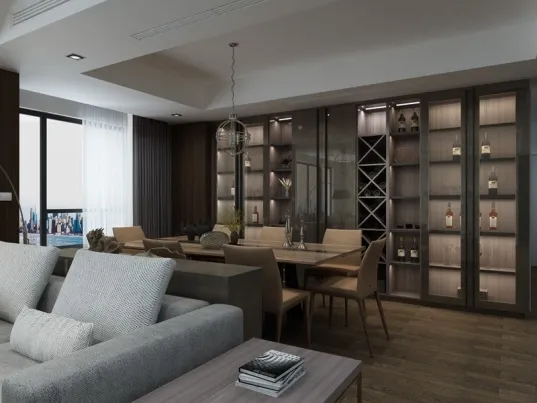
Think you need a basement cellar? Modern designs like under-counter drawer units and narrow towers nestle into unused corners—under staircases, in dining room nooks, even repurposed closets.
Imagine friends gathered around a cabinet stocked with wines at perfect serving temperature, glasses gleaming in LED lighting. It’s not furniture; it’s a social catalyst. Some models include serving trays and decanter cubbies.
Unlike basic wine coolers designed for immediate drinking, serious cabinets mimic cellar conditions for aging. Features like charcoal filters prevent musty odors from tainting your prized Barolo over decades.
From minimalist black stainless steel to reclaimed wood rustic styles, cabinets elevate rooms. Tip: Match cabinet finishes to nearby metals (faucets, lighting) for a pulled-together look.
That $200 Napa Cabernet? It becomes vinegar in a hot garage. Wine cabinets preserve value better than bank vaults, potentially increasing resale prices for collectibles.
Myth:
"It’s just a pretty refrigerator."
Reality:
Refrigerators prioritize food temperatures (too cold!) with aggressive compressors. Wine cabinets focus on delicate 50-59°F zones with vibration-dampened tech.
Myth:
"Only serious collectors need them."
Reality:
Bought ONE nice bottle for an anniversary? That bottle deserves protection. Cabinets start as small as 12-bottle countertop units.
Fun fact: When wine guru Jancis Robinson tested identical bottles stored cabinet-style vs. room temperature, tasters called the cabinet-stored wines "more harmonious" with "better integrated tannins." Science meets taste!
Rule of thumb: Buy capacity for 1.5x your current collection. Downsizing? Look for modular racks accommodating larger Champagne bottles.
Thermoelectric:
Silent operation, great for small units (under 40 bottles). Downside? Struggles in hot rooms.
Compressor:
Handles larger capacities and warmer environments. Modern versions are quieter than older models.
Clear glass might look chic but can expose wine to UV rays. Look for Low-E, tinted or bronze glass blocking over 99% of harmful rays.
Clever homeowners use wine cabinets for:
One Californian winemaker even repurposed an old cabinet for aging artisan salamis. Where there’s climate control, creativity follows!
Treat it like a high-maintenance pet—simple care means fewer headaches:
Ready to dive in? Follow this decision tree:
Step 1:
Count your bottles + planned additions
Step 2:
Measure installation space (remember ventilation gaps!)
Step 3:
Decide dual-zone? (White wine lovers say yes!)
Step 4:
Choose between freestanding or built-in
Step 5:
Pick finish matching your style
Step 6:
Set budget ($500-$8,000+—options exist at every level)
A wine cabinet isn’t a storage unit—it’s a celebration of craftsmanship, patience, and moments worth savoring. It ensures that Tuesday-night Merlot or anniversary Champagne shows up fully dressed for the occasion, tasting precisely as the winemaker intended.
When your next glass dances across your palate with perfect structure and layered aromas—you’ll know it’s not just grape juice in a bottle. It’s a preserved moment, lovingly tended in its climate-controlled sanctuary. And isn’t creating beautiful moments what life’s really about?
Recommend Products












