
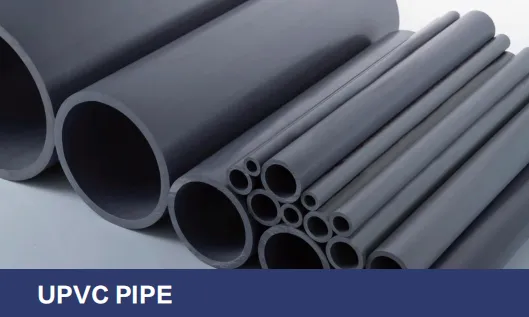
Walk into any construction site, home renovation project, or industrial facility, and you'll likely spot a network of pipes snaking through walls, under floors, or along ceilings. These unassuming tubes are the unsung heroes of modern infrastructure—carrying water, waste, chemicals, and more to keep our daily lives and businesses running smoothly. But with so many pipe materials on the market—copper, PPR, PVC, galvanized steel—it's easy to feel overwhelmed when choosing the right one. If you've ever found yourself scratching your head, wondering which pipe offers the best blend of durability, affordability, and performance, you're not alone. Today, we're diving deep into one solution that's been gaining traction among homeowners, builders, and engineers alike: UPVC pipe solutions. Let's unpack what they are, why they matter, and how they stack up against the competition.
Let's start with the basics. UPVC stands for "Unplasticized Polyvinyl Chloride." If you're familiar with regular PVC (Polyvinyl Chloride) pipes, you might be thinking, "Aren't they the same?" Not quite. The key difference lies in the "unplasticized" part. Traditional PVC pipes often contain plasticizers—chemicals added to make the material more flexible. UPVC, on the other hand, skips the plasticizers, resulting in a rigid, strong, and highly durable material. Think of it as PVC's sturdier, more no-nonsense cousin. This lack of plasticizers is what gives UPVC its signature strength, making it resistant to impact, corrosion, and even extreme temperatures. But UPVC isn't just a material—it's a solution . From residential plumbing to industrial chemical transport, UPVC pipe solutions are designed to meet specific needs, whether you're building a new home, upgrading a hospital's water system, or laying irrigation lines on a farm.
To truly appreciate UPVC pipe solutions, it helps to understand what they're made of. At their core, UPVC pipes start with polyvinyl chloride resin—a white, powdery substance derived from vinyl chloride monomers. But resin alone isn't enough. Manufacturers mix in a few key ingredients to boost performance:
The manufacturing process itself is pretty fascinating, too. The ingredients are mixed in a high-speed blender, heated to form a molten compound, and then extruded through a die to create the pipe's shape. The result? A pipe that's dense, non-porous, and built to withstand the test of time. Unlike metal pipes, which can rust or corrode, UPVC's smooth inner surface resists scaling and buildup—meaning better water flow and fewer clogs over the years.
So, what makes UPVC pipe solutions stand out from other options like copper, PPR, or even regular PVC? Let's break down the advantages:
UPVC pipes are tough. We're talking "lasts 50+ years" tough. Thanks to their rigid structure and resistance to corrosion, they can handle everything from high water pressure to exposure to soil, chemicals, and UV rays. Unlike metal pipes, which might rust or develop pinholes over time, UPVC stays strong. Even in harsh environments—like coastal areas with saltwater in the soil or industrial sites with chemical runoff—UPVC holds its own.
Here's a perk that contractors and DIYers love: UPVC pipes are lightweight. Carrying a 10-foot UPVC pipe is way easier than hauling a heavy copper or galvanized steel pipe. This lightness also makes installation a breeze. You don't need specialized tools or heavy machinery—just a hacksaw to cut the pipe, some solvent cement to join the fittings, and a few clamps to hold everything in place. Even if you're not a pro, you can probably handle a small plumbing project with UPVC. And because the pipes are smooth, they're easy to thread through walls and tight spaces—no struggling with rough, heavy materials.
Water isn't the only thing that flows through pipes. In industrial settings, pipes might carry acids, alkalis, or other harsh chemicals. In homes, they might transport wastewater with cleaning products. UPVC pipe solutions are resistant to most chemicals, making them a safe choice for these applications. They also don't react with minerals in water, so you won't get rusty discoloration or metallic tastes in your tap water—unlike some metal pipes.
Let's talk money. UPVC pipes are generally cheaper than copper, stainless steel, or even PPR pipes. And while the upfront cost is low, their long lifespan means you won't be replacing them anytime soon—saving you money on repairs and replacements down the line. Plus, because they're easy to install, labor costs are lower too. For budget-conscious builders or homeowners, UPVC pipe solutions offer a lot of bang for your buck.
Once UPVC pipes are installed, they pretty much take care of themselves. No need for painting, coating, or regular inspections (though it's still a good idea to check for leaks occasionally). Their smooth inner surface prevents the buildup of scale, rust, or debris, so water flow stays consistent. If a clog does happen, a plunger or drain snake usually does the trick—no need for harsh chemicals that might damage the pipe (though UPVC can handle mild drain cleaners, just to be safe).
Sustainability matters, and UPVC pipe solutions deliver here too. UPVC is recyclable, so old pipes can be melted down and repurposed into new products. They also require less energy to manufacture than metal pipes, reducing their carbon footprint. Plus, because they're lightweight, transporting UPVC pipes uses less fuel than hauling heavy materials—another win for the environment.
UPVC pipe solutions aren't one-size-fits-all. They're versatile, with different types and sizes designed for specific jobs. Let's explore some of the most common applications:
In homes, UPVC pipes are everywhere. They're used for cold water supply lines, bringing fresh water from the main to your taps, toilets, and washing machines. They're also popular for drainage systems—think sink drains, shower drains, and even vent pipes that release sewer gases. If you've ever noticed white pipes under your kitchen sink or in your basement, chances are they're UPVC. Homeowners love them because they're affordable, easy to repair, and don't corrode—perfect for busy households where plumbing issues are the last thing you need to worry about.
Commercial spaces have unique needs, and UPVC pipe solutions rise to the challenge. Hospitals, for example, need pipes that can withstand frequent cleaning with disinfectants—UPVC's chemical resistance makes it ideal. Schools, with their high water usage and constant foot traffic, benefit from UPVC's durability and low maintenance. Offices use UPVC for everything from water supply to HVAC systems. Even restaurants rely on UPVC for drainage, as it resists grease buildup better than some other materials.
Factories and industrial plants often deal with aggressive chemicals, and UPVC pipe solutions are up to the task. They're used to transport acids, alkalis, and solvents in industries like pharmaceuticals, textiles, and food processing. UPVC's non-reactive nature ensures that chemicals don't leach into the environment or contaminate products—a critical safety feature in these settings.
Farms and ranches depend on reliable water systems, and UPVC pipe solutions are a staple here. They're used for irrigation, delivering water to crops efficiently. Their lightweight design makes them easy to install in fields, and their UV resistance means they can withstand direct sunlight without degrading. UPVC pipes also transport water to livestock troughs, ensuring animals have access to clean, fresh water year-round.
Cities and towns use UPVC pipes for large-scale water distribution and sewer systems. Their durability and corrosion resistance make them a cost-effective choice for underground pipelines that need to last for decades. Municipalities also appreciate that UPVC pipes are easy to join, reducing installation time on big projects.
To really understand UPVC pipe solutions, it helps to see how they stack up against other popular pipe materials. Let's compare UPVC with PPR, PVC DWV, and copper pipes—three common alternatives.
| Feature | UPVC Pipes | PPR Pipes (PPR Pipe and Fitting Supplier) | PVC DWV Pipes (PVC DWV Pipe Supplier) | Copper Pipes |
|---|---|---|---|---|
| Best For | Cold water supply, drainage, chemical transport | Hot and cold water supply (residential/commercial) | Drain, waste, and vent systems (no pressure) | Hot and cold water supply (high-end homes) |
| Temperature Resistance | Up to 60°C (not ideal for hot water) | Up to 95°C (great for hot water) | Low (only for drainage, not pressure) | High (handles boiling water) |
| Cost | Low to moderate | Moderate | Low | High (expensive upfront and to install) |
| Durability | High (50+ years) | High (40+ years) | Moderate (30+ years, no pressure use) | High (50+ years, but prone to corrosion) |
| Installation | Easy (solvent cement, lightweight) | Moderate (heat fusion required) | Easy (similar to UPVC) | Difficult (requires soldering, heavy) |
| Corrosion Resistance | Excellent | Excellent | Excellent | Poor (rusts over time) |
As you can see, UPVC pipe solutions excel in cold water supply, drainage, and chemical transport, offering a great balance of cost, durability, and ease of installation. PPR pipes (from a PPR pipe and fitting supplier) are better for hot water, while PVC DWV pipes (from a PVC DWV pipe supplier) are designed specifically for non-pressurized drainage. Copper, though durable, is expensive and prone to corrosion—making UPVC a smarter choice for most budget-conscious projects.
Whether you're a DIY enthusiast or hiring a pro, installing UPVC pipe solutions is relatively straightforward. Here's a step-by-step guide to help you get the job done right:
You'll need:
Measure the length of pipe you need and mark it with a marker. Use a hacksaw or pipe cutter to cut the pipe straight—wobbly cuts can lead to leaks. After cutting, use a deburring tool to remove any rough edges from the inside and outside of the pipe. Sharp edges can damage the fitting or prevent a tight seal.
Solvent cement bonds best to clean surfaces, so wipe the ends of the pipe and the inside of the fitting with a clean rag. Remove any dirt, oil, or moisture—even a little grime can weaken the bond.
Apply a thin, even layer of solvent cement to the outside of the pipe and the inside of the fitting. Don't skimp—too little cement can lead to leaks. Twist the pipe slightly as you push it into the fitting to spread the cement evenly. Hold the pipe and fitting together for 30-60 seconds to ensure they don't slip apart while the cement starts to set.
Solvent cement takes time to fully cure—usually 24 hours, though it may be shorter for small pipes. Avoid turning on the water or putting pressure on the pipes until the cement is completely dry. Rushing this step is a common mistake that can lead to leaks!
Once the cement is cured, turn on the water and check for leaks. If you see drips, tighten the fittings or reapply cement if necessary. It's better to catch leaks early than to deal with water damage later.
UPVC pipe solutions are low-maintenance, but a little care goes a long way in extending their lifespan. Here are some tips to keep your pipes in great condition:
Not all UPVC pipe solutions are created equal, and choosing a reliable upvc pipe supplier is key to getting quality products. Here are some factors to consider when selecting a supplier:
Look for suppliers whose products meet industry standards, like ASTM (American Society for Testing and Materials) or ISO (International Organization for Standardization). Certifications ensure the pipes are tested for strength, durability, and safety. A reputable upvc pipe supplier will be happy to share their certification documents—don't be afraid to ask!
The best suppliers offer a wide range of UPVC pipe solutions, including different sizes, pressure ratings (like SCH40 or SCH80), and fittings. This way, you can get everything you need from one place, saving time and hassle. Some suppliers also offer custom solutions, which is great if you have unique requirements.
Good customer service matters. Look for a supplier that's willing to answer your questions, help you choose the right products, and provide technical support if you run into issues during installation. A supplier with knowledgeable staff can make a big difference, especially if you're new to UPVC pipe solutions.
While price is important, don't sacrifice quality for a lower cost. Compare prices from different suppliers, but also consider factors like delivery time and shipping costs. A supplier that offers fast, reliable delivery can help keep your project on schedule.
Check online reviews and ask for references. A supplier with a good reputation is more likely to deliver quality products and stand behind their work. You can also ask other contractors or builders for recommendations—word-of-mouth is often the best way to find a trustworthy supplier.
From homes to hospitals, farms to factories, UPVC pipe solutions have proven themselves to be reliable, versatile, and cost-effective. Whether you're building new, renovating, or just need to replace old pipes, UPVC offers a winning combination of durability, ease of installation, and low maintenance. It's no wonder that more and more builders, homeowners, and engineers are choosing UPVC over traditional materials like copper or galvanized steel.
So, the next time you're faced with a plumbing project, remember: UPVC pipe solutions aren't just pipes—they're a long-term investment in your property's infrastructure. With the right supplier, proper installation, and a little maintenance, your UPVC pipes will keep things flowing smoothly for decades to come. Here's to strong, reliable, and hassle-free plumbing!
Recommend Products












