
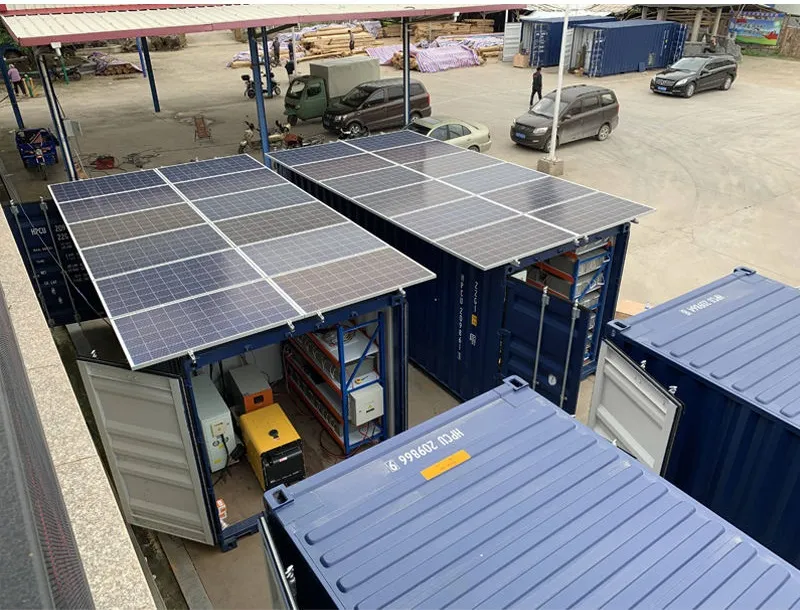
Flat roofs present an excellent opportunity for solar energy generation, particularly in commercial, industrial, and multi-story residential buildings. Their large, unobstructed surface area allows for optimized panel layout and orientation. However, one of the most critical — and often overlooked — engineering considerations when installing solar panels on a flat roof is wind load. Without proper assessment, wind forces can compromise the structural integrity of the installation, leading to panel damage, roof membrane failure, or even catastrophic uplift in severe weather conditions.
Solar panels on a flat roof are typically mounted at a tilt angle of 10 to 20 degrees to maximize energy capture. This tilt creates a large surface area exposed to wind, generating both positive pressure on the windward face and negative pressure (suction) on the leeward side. The uplift force created by wind flowing over and around the panels can be substantial — often exceeding the weight of the panels themselves.
In most installation scenarios, wind uplift is the controlling factor for mounting system design, not the dead weight of the panels. A panel array in a moderate wind zone may experience uplift forces of 1.0 to 1.5 kPa, while in typhoon-prone regions, these forces can exceed 3.0 kPa. This means the mounting system, ballast configuration, and roof attachment method must all be engineered to resist these forces over the full service life of the installation.
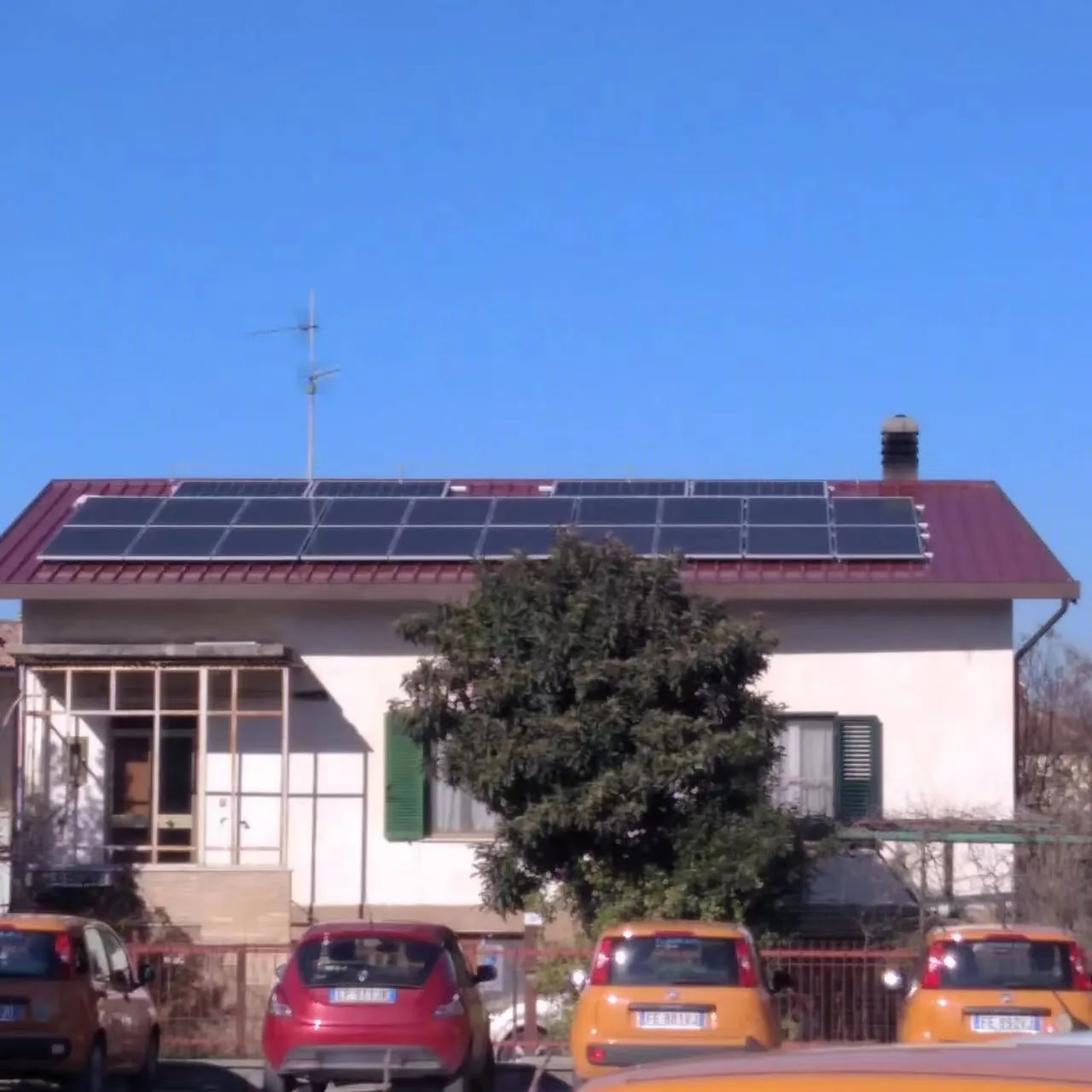
Several interrelated factors determine the actual wind load a solar array will experience. Understanding these variables is essential for proper system design:
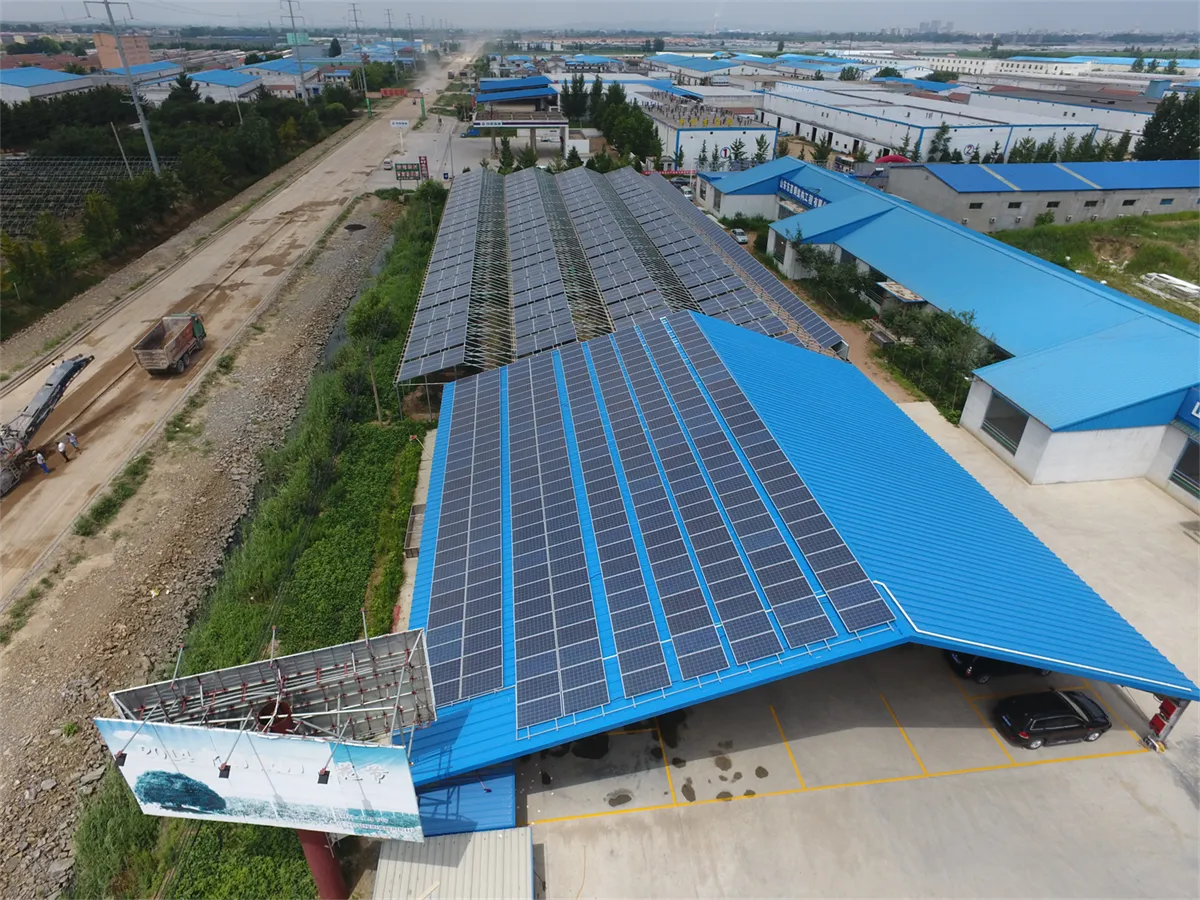
Professional wind load calculations follow established engineering standards. The most widely referenced standards include:
| Standard | Region | Key Features |
|---|---|---|
| ASCE 7-16 / 7-22 | USA, widely adopted in APAC, Middle East | Provides wind speed maps, exposure categories, and pressure coefficients for rooftop solar; includes specific provisions for solar arrays on flat roofs |
| JIS C 8955:2017 | Japan | Specific standard for photovoltaic array structural design; includes wind load provisions for various mounting configurations |
| EN 1991-1-4 (Eurocode) | Europe | Comprehensive wind load standard; solar arrays treated as free-standing canopy structures |
| AS/NZS 1170.2 | Australia, New Zealand | Four wind regions (A-D) with increasing design wind speeds; cyclone-rated engineering required for Regions C and D |
These standards provide the methodology for calculating the design wind pressure based on site-specific variables. The general approach involves determining the basic wind speed, applying terrain and height multipliers to obtain the site design wind speed, calculating the dynamic pressure, and then applying pressure coefficients specific to the panel configuration and roof position.
The choice between ballasted (non-penetrating) and penetrating mounting systems is fundamentally a wind load decision. Each approach has distinct advantages depending on the site conditions:
Ballasted Systems rely on gravity — typically concrete blocks placed on the racking frame — to resist wind uplift. They are ideal for moderate wind zones (below roughly 40 m/s design wind speed) where the required ballast weight remains within the roof's spare dead load capacity. Ballasted systems preserve the roof membrane, install faster, and are preferred when roofing warranties are in effect.
Penetrating Systems anchor directly into the roof structure, transferring wind loads mechanically rather than relying on weight. They are the correct choice for high-wind zones, typhoon-track regions, and buildings with limited spare dead load capacity. A properly detailed penetrating system with quality flashing and sealant provides a direct mechanical load path that does not degrade with membrane age.
Beyond selecting the appropriate mounting system, several practical strategies can reduce wind load risks on flat roof solar installations:
Wind load resistance starts with the quality of the components themselves. Working with a reputable solar panels supplier ensures that the panels, mounting hardware, and associated components meet international manufacturing standards and have been tested for structural integrity under wind loading conditions.
As a comprehensive solar panel solutions provider, COLORIA GROUP understands that solar installations are part of a broader building system. The company's one-stop approach to building materials means that solar panels can be specified alongside roofing, waterproofing, electrical infrastructure, and structural components — all from a single supplier with coordinated technical support.
For project developers and EPC contractors, this integrated supply chain approach reduces coordination complexity and ensures that all components are compatible. Whether the project is a commercial warehouse in the Middle East, an industrial facility in Southeast Asia, or a residential complex in a coastal region, selecting the right solar panel products and mounting configuration is the foundation of a safe and durable installation.
Conclusion
Wind load is the single most important structural consideration for flat roof solar panel installations. Understanding the key factors — wind speed, exposure, tilt angle, roof position, and mounting system choice — allows project teams to design installations that are safe, durable, and compliant with applicable engineering standards. The decision between ballasted and penetrating systems should always be driven by calculated engineering data, not by habit or supplier preference. By partnering with a qualified solar panels supplier and conducting thorough site-specific wind load analysis, building owners and developers can confidently invest in solar energy systems that deliver reliable performance for decades.
Looking for reliable solar panel products backed by comprehensive technical support? Explore COLORIA GROUP's solar panel solutions — engineered for performance and built to last.
Recommend Products












