

Ever walked into a space and immediately felt that "wow" factor? Chances are, innovative materials like WPC wall panels were working their magic. Unlike traditional options that scream "builder-grade basic," WPC brings personality, durability, and eco-smarts to walls. Whether you're renovating a cozy café, designing a showstopping feature wall, or weatherproofing a beach house, this material quietly solves design headaches while making spaces feel more welcoming.
Let's get real—walls do more than hold up roofs. They set moods, handle daily beatings, and tell silent stories about what a space values. While drywall flakes and tile grout yellows, WPC panels keep their cool with minimal fuss. We'll explore how this modern marvel reshapes both homes and businesses without demanding constant upkeep.
WPC (Wood Plastic Composite) blends reclaimed wood fibers with recycled plastics and binding agents. This fusion creates a hybrid warrior—tougher than wood, more flexible than vinyl, and way friendlier to the planet than PVC. Imagine the warmth of wood without its warping anxiety, or plastic's durability without its clinical feel. That's the WPC sweet spot.
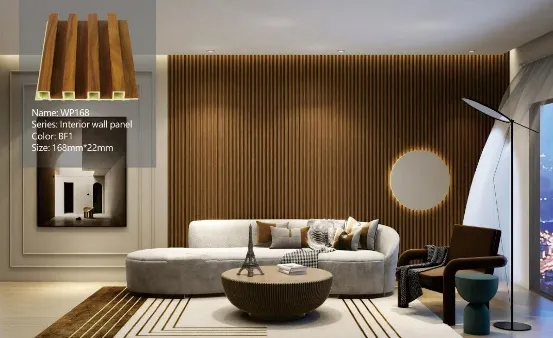
Sticky bathrooms and steamy kitchens warp wood and peel wallpaper. WPC shrugs off humidity like a raincoat—perfect for spaces where spills and steam live.
Scratches from chairs, scuffs from backpacks, dings from hallway traffic? WPC bounces back like memory foam while staying picture-perfect.
Using upcycled sawdust and recycled plastics, WPC keeps landfills lighter. No toxic fumes during installation or years later—just cleaner air.
Plaster feels sterile. Tile feels cold. WPC brings subtle wood-grain texture that genuinely feels warmer under your fingertips.
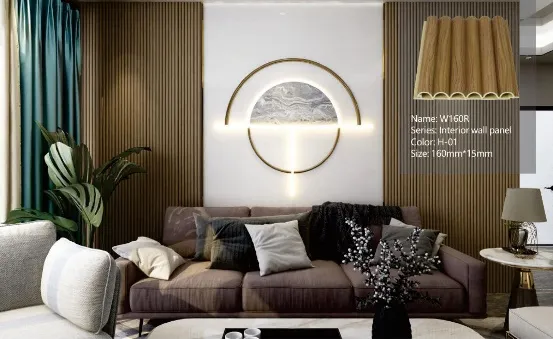
Lobbies facing luggage carts? Corridors handling 3AM stag parties? WPC panels handle hospitality abuse while projecting boutique-hotel style. Easy wipe-downs after coffee spills and zero worries about scuffs ruin the polished vibe. They’re the silent heroes keeping spaces Instagram-ready without expensive touch-ups.
Bathrooms deserve serenity—not grout scrubbing sessions. When selecting from a trusted building material supplier , ensure panels are fully waterproof and anti-mold. Pair matte-finish oak-look WPC with pebble tiles for that high-end spa tranquility. The best part? Humidity won't cause bubbling seams or faded colors.
Splash zones near sinks, grease near stoves, crumbs everywhere—kitens battle daily. Glossy WPC in slate gray repels tomato sauce splatters while adding modern texture. Pro tip: Install behind open shelving for a focal point that looks custom without the artisan price tag.
Sun-bleached siding? Rain-swollen wood? WPC cladding stands defiant against UV rays and downpours. Its hidden superpower: Temperature changes won’t make it crack or buckle. Perfect for covered patios converting to year-round lounges.
Open-plan offices become echo chambers fast. Textured WPC panels absorb chatter and keyboard clatter, reducing distractions. Use charcoal panels with integrated LED strips for that tech-company cool vibe. Maintenance crews love the no-wax, no-polish reality.
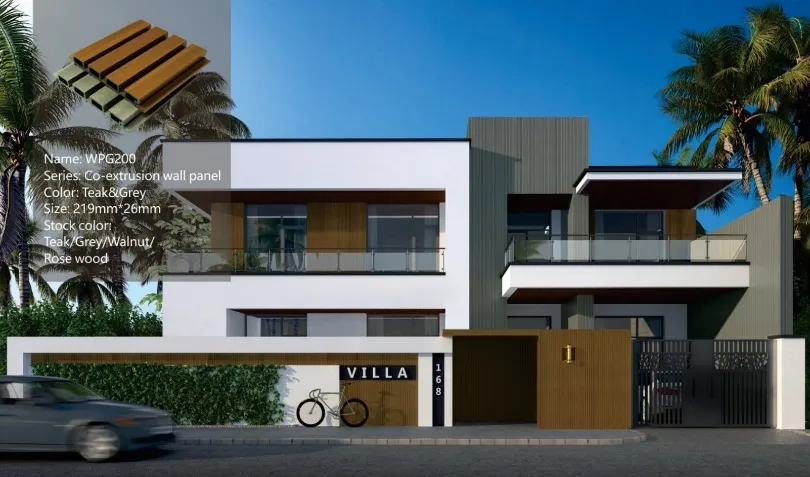
Why stop at vertical surfaces? Design rebels are using WPC for:
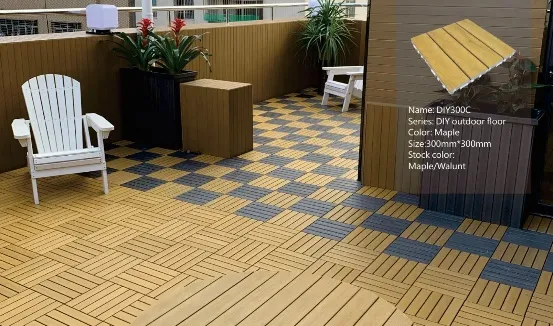
Not all panels play equal. Remember:
Request samples. See how different textures catch light in your actual space before committing. What looks sleek in showrooms might feel industrial in your sunroom.
WPC wall panels solve real-world headaches—scuffs, splashes, noise, maintenance—without sacrificing soul. They make spaces feel warmer, work harder, and last longer. That’s not just smart design; it’s designing for real human messiness and busyness.
So next time you see a stunning accent wall or a sleek modern bathroom, look closer. Chances are, WPC is doing the heavy lifting. It redefines walls from passive surfaces to active players in creating spaces that feel alive.
Recommend Products











