
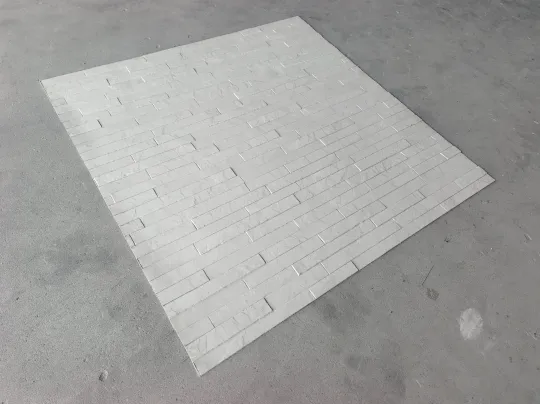
Picture walking through an ancient castle – those massive stone walls whispering stories from centuries ago. That right there is the magic of masonry stone. Unlike temporary materials that fade away, stone masonry creates legacy structures that stand the test of time. But beyond historic castles, where exactly does this ancient craft fit into our modern world? Turns out, stone masonry is far from outdated; it's quietly building the bones of our contemporary landscapes.
At its core, stone masonry is the art of constructing structures using natural stones bonded together with mortar. But here's what many folks don't realize: it's not about randomly piling rocks. True stone masonry involves:
Fun fact: Masonry isn't just stronger than brick – it actually becomes more resilient as it ages. The natural minerals in stone interact with environmental elements to create self-healing properties over decades.
But selecting stone goes beyond just picking a pretty rock. Local availability dramatically impacts cost - that's why you'll see distinct regional styles throughout history. Coastal areas often feature coral stone, while mountainous regions showcase abundant granite.
The Mortar Matchmaker: Choosing mortar is like selecting the perfect marriage counselor between stones. You need something that bonds without overpowering. Lime mortar was traditional, but modern projects often use cement-based blends for extra strength. The color? It should complement but not compete with the natural stone beauty.
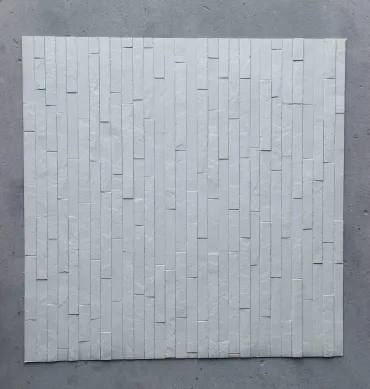
That old saying "built on solid rock"? It's literal in masonry. Stone foundations provide unmatched stability because:
Beyond foundations, masonry creates load-bearing walls that support multi-story structures. Those stone pillars holding up your local library or museum? That's masonry doing the heavy lifting.
One of stone's starring roles today is in retaining walls . These aren't just functional barriers; they're landscape sculptures. Dry stone walls use precisely fitted stones without mortar - a technique dating back to Neolithic times, now experiencing a revival in modern landscaping.
Why stone beats concrete for retention:
Stone cladding transforms ordinary structures into landmarks. Modern techniques like exterior wall siding systems allow stone veneers to attach securely to various substrates. The visual impact? Instant gravitas and character you simply can't achieve with paint or panels.
Why do lighthouses endure centuries of ocean punishment? Stone masonry. Why do dams contain unimaginable water pressure? Again, stone. These critical infrastructures depend on masonry's unique combination of compressive strength and mass that laughs at weather extremes.
Floors that Tell Stories: Stone flooring offers more than just durability. Limestone develops a warm glow underfoot. Slate provides natural slip-resistance. And with modern waterproof flooring techniques, stone works beautifully in moisture-prone areas like kitchens and bathrooms.
Architectural Accents: From fireplace surrounds that become room anchors to stone archways defining spaces without walls, interior masonry creates focal points with soul. The best part? Each stone bears unique mineral patterns – nature's signature on your design.
Ceiling Statements: While less common, stone ceilings create breathtaking impact. Vaulted stone ceilings in modern homes provide unparalleled acoustics while making rooms feel like sacred spaces. Modern innovations include lightweight stone systems working with fireproof ceiling tile requirements.
This is masonry in its most organic form – stones used largely as found. Don't mistake it for primitive though. Skilled masons fit irregular stones like a 3D jigsaw puzzle. Types include:
This is stone tailored to precision. Stones get cut to specific dimensions, creating clean lines and refined appearances. Variations include:
Tradesman tip: Ashlar masonry costs approximately 35-50% more than rubble work due to stone waste during cutting. Budget accordingly!
In our age of composites and synthetics, why does stone endure? The answers speak to both heart and mind:
Modern architects continue rediscovering these truths. That new eco-luxury resort blending seamlessly into cliffs? Likely features contemporary stonework. That urban plaza where people instinctively gather around stone benches? Material psychology in action.
Far from being stuck in the past, masonry stone is evolving with technology:
The next time you pass a stone building, look closer. Those walls contain eons of geological history merged with human craftsmanship. From retaining walls holding back hills to entryways welcoming generations, masonry stone continues building our world with quiet, steadfast beauty.
Final thought: When designed thoughtfully, stone structures don't just last for lifetimes – they become more valuable as they age. That's something no temporary material can promise.
Recommend Products












