
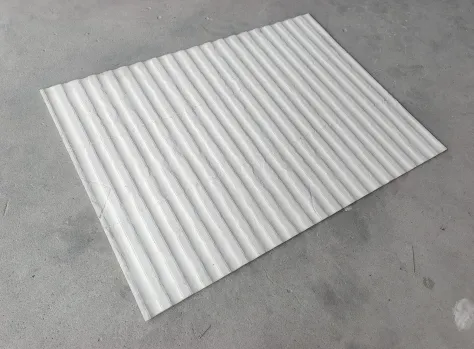
You know how some materials just feel timeless? Like they've been with us forever and aren't going anywhere? That's century stone for you – it's more than just rocks and mortar. It's that special something that transforms a building from "nice" to "whoa, come look at this!"
Picture this: prehistoric folks sheltering in caves, their rough hands touching the same stone surfaces we marvel at in museums today. Fast forward to Stonehenge – those massive rocks hauled across insane distances because something deep in our bones knew stone creates sacred spaces. The Incas? They didn't just stack rocks; they turned stone into seismic-proof puzzles where you couldn't slip paper between joints. That's not craftsmanship – that's stone whispering secrets we're still trying to decode.
Here's the magic: century stone bridges eras. Romans used wedge stones to build aqueducts still standing after 2,000 rainy seasons. Gothic architects made stone "fly" with flying buttresses supporting cathedrals scraping heaven. Even today's architects still wrestle with questions the ancients faced: How do we make it lighter? More beautiful? How do we help stone live longer than us?
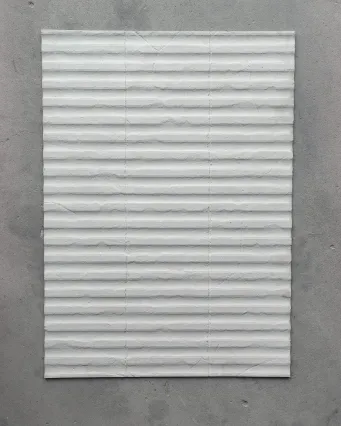
So how did century stone leap from ancient temples to your neighbor's kitchen backsplash? The Eaton family story shows how passion meets innovation. Dave Sr. started out as a teenage "gopher" on San Diego construction sites, literally getting lost with maps while delivering supplies. That hands-on mud-and-gravel experience became the foundation when he later faced a challenge: restoring failing concrete at an Army base during California's recession.
The solution? Blend artistry with engineering. Think Roman recipes for durable concrete meets modern acrylic chemistry. This wasn't just resurfacing – it was reinventing stone's DNA to create lightweight composites that laugh at weather. When their decorative concrete started mimicking flagstone so perfectly people tried cleaning it with brick brushes, the Eatons knew they'd birthed something revolutionary.
Arizona Creative Surfaces didn't stop at poolsides – they pioneered ways to put century stone where it never went before: vertically on skyscrapers, curving around glass lobbies, even as thin panels inside homes. It's stone shedding its heavyweight past to become as versatile as wallpaper – but tougher than your smartphone.
You've seen stone facades, right? But century stone is pulling off magical new tricks:
1. Climate Chameleons: Modern stone veneers now armor buildings against desert heatwaves and polar vortexes. In Arizona's furnace-like summers, these composites stay dramatically cooler than natural stone – crucial when a hot patio can literally burn bare feet. Special coatings even "sweat" by absorbing moisture during humidity spikes then releasing it as cooling vapor – like stone air-conditioning.
2. Disaster Armor: Remember that 12-angled Incan stone? Today's engineers borrowed its secrets for seismic zones. Flexible stone panels with honeycomb cores wobble like Jell-O during quakes, snapping back unharmed. Hurricane zones use interlocking stone systems tested against 150mph debris cannons – literally stone armor for homes.
3. Hospital Healing: Surprising but true – specific century stone mixes actively kill germs. Silver-ion infused stones in clinics slash infection rates, while bamboo-charcoal variants in hospitals silently absorb airborne toxins. It's stone as microscopic guardian.
4. Solar Conversations: Transparent stone panels? Yep – ultrathin stone slices bonded to glass generate solar power while filtering light. Architects sandwich these around buildings like stone power plants disguised as modern façades.
The exciting trend? Stone fusion. Century Stone's artisans now blend composites with reclaimed bricks from historic buildings or fragments salvaged from temple ruins. Imagine your office wall containing stones touched by 17th-century monks – history literally reborn in modern form.
From Roman aqueducts to cutting-edge ventilated facades that breathe with temperature shifts, the material's adaptability proves why stone survives centuries. Modern systems like Stonesize panels integrate large-format stone with lightweight cores and smart anchoring systems, ensuring centuries of service without crushing the building's bones.
What's next for century stone? Well, engineers are geeking out on "programmable stone" – composites embedded with silica beads that expand when hot to create insulating air pockets. Other labs are 3D-printing stone "skin" with internal irrigation channels for vertical farms built into building exteriors.
But beyond tech wizardry, there's a deeper beauty. Century stone carries memories. That patio where you proposed? Its stones will cradle your grandchildren's footsteps long after you're gone. The office lobby that wowed clients? Those panels will someday puzzle archeologists wondering how we made stone float. That's the real magic – creating material poetry that outlives its creators.
Family businesses like Century Stone still embody that personal touch. Third-gen Nick Eaton mixes colors in Arizona labs while recalling childhood summers patching concrete with his dad. That intimate connection matters. It's how century stone keeps evolving – not as cold commodity, but as legacy material handled by people who care whether it survives centuries. As Dave Sr. often puts it: "Building people builds companies." You can feel that human warmth in every installation.
So next time you run your hand over cool stone, stop. Feel that quiet conversation between ancient wisdom and tomorrow's dreams. Because true century stone? It's not just stacked rocks – it's humanity's handshake with eternity. And honestly, isn't that the most useful thing we can create?
Recommend Products












