
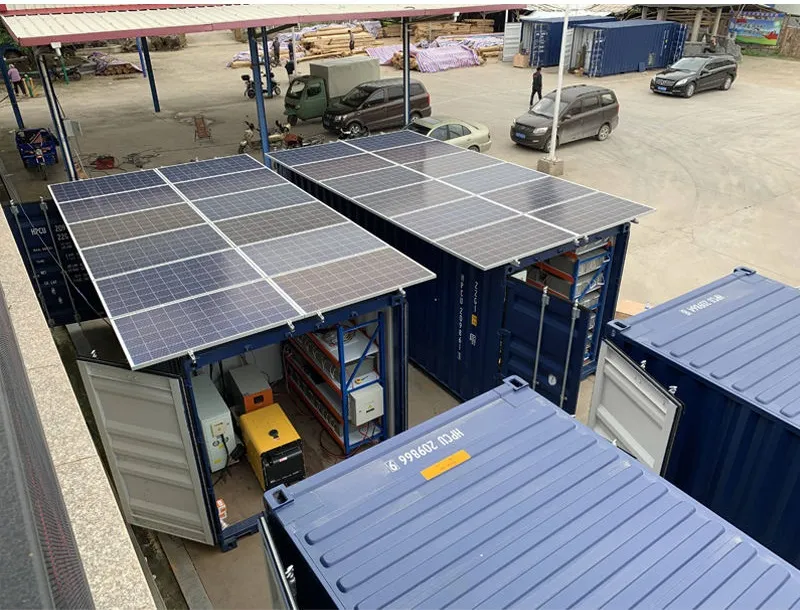
So you're thinking about going solar? That's awesome! But with all the different options out there – from fancy new perovskite panels to good ol' monocrystalline workhorses – it's easy to feel overwhelmed. Trust me, picking the right solar panel type isn't about finding a one-size-fits-all solution. It's more like choosing shoes: what works for hiking mountains won't cut it at a black-tie event.
Over the years as an energy consultant, I've seen homeowners make costly mistakes simply because they didn't understand these differences. The cool part? Once you get how these technologies work – how they catch sunlight and turn it into power – the choice becomes surprisingly clear. In this guide, we'll walk through all the major solar panel players on the field today, cutting through the jargon so you know exactly which type sings to your roof (or RV, or office building). Let's get started!
Before we dive into panel types, let's quickly understand what makes them tick at a basic level. All solar panels work thanks to the photovoltaic effect – a fancy term for converting sunlight directly into electricity. Here's what actually happens:
When photons (light particles) hit a silicon cell, they knock electrons loose from silicon atoms. These loose electrons then flow through the panel as direct current (DC) electricity. Your inverter then transforms this DC into alternating current (AC) that powers your gadgets and appliances.
The efficiency of this conversion process – ranging from 10% to over 22% for residential panels – depends heavily on the silicon structure and manufacturing techniques used. That's why panel types matter so much! Differences in materials and construction explain why one panel might cost $200 while another costs $500.
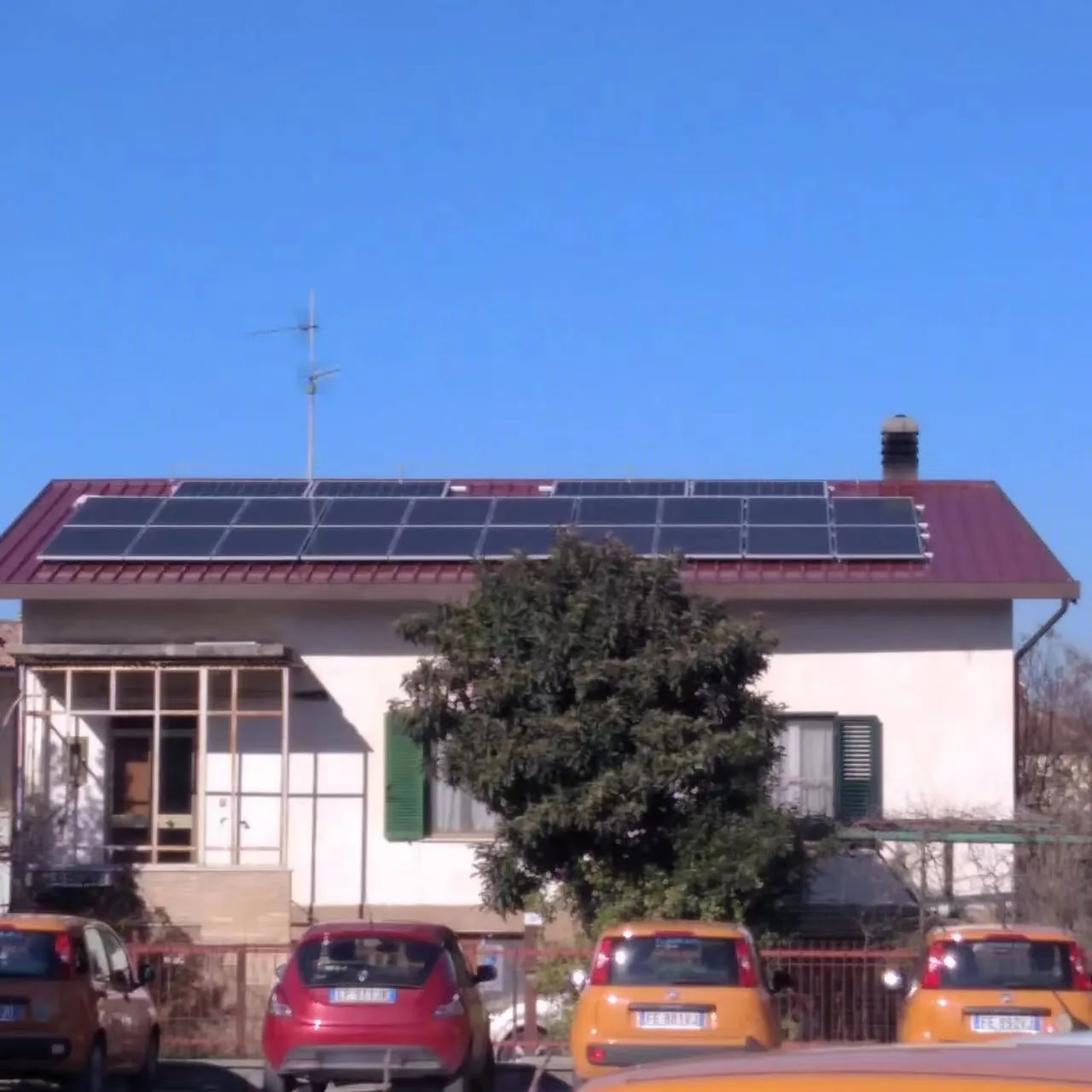
Average Efficiency: 20-25% • Lifespan: 30-40 years
These are what I call the Ferraris of solar panels – sleek black and incredibly efficient. They're made from single-crystal silicon, giving them a uniform dark look and premium performance. While they've been around since 1941 (thank Polish scientist Jan Czochralski for the breakthrough!), modern versions keep breaking efficiency records.
Why homeowners love them: Their biggest superpower is space efficiency . Need significant power from a limited rooftop? Monocrystalline gives you more bang per square foot than any other option.
| Pros | Cons |
|---|---|
| Highest efficiency available today | Premium price tag |
| Sleek, minimalist appearance | May be overkill for large roofs |
| Top-tier lifespan (often outlasting 30-year warranties) | |
| Performs well even in warm climates |
Perfect for: Smaller rooftops, efficiency-focused installations, modern homes where aesthetics matter.
Average Efficiency: 18-21% • Lifespan: 25-30 years
Remember those blue, speckled panels that were everywhere a decade ago? Those are polycrystalline. Made by melting silicon fragments together, they've got that distinctive mosaic look. But here's the thing – they've practically vanished from the market. Leading manufacturers stopped making them in 2023 because they just couldn't compete.
While technically cheaper upfront, their space inefficiency became a dealbreaker. You'd need significantly more panels to produce the same power as monocrystalline, making installation costs stack up.
| Pros | Cons |
|---|---|
| More eco-friendly manufacturing | No longer produced by top brands |
| Lower upfront cost per panel | Bulky installation needs more roof space |
| Underwhelming aesthetics | |
| Shorter lifespan than mono options |
Current status: Mostly found in the secondhand market or legacy installations. I typically steer new solar buyers toward other options.
Average Efficiency: 17-19% • Lifespan: 10-20 years
Picture solar panels you could roll up like a yoga mat. That's thin-film tech! Made from layers like amorphous silicon or cadmium telluride, these ultra-slim panels can bend and adapt to uneven surfaces. NASA pioneered them in the 60s for space missions where flexibility was key.
While efficiency can't match crystalline options, they shine in niche situations. I'll never forget installing panels on a client's curved RV roof – impossible with rigid panels! For unconventional installations, they're invaluable.
| Pros | Cons |
|---|---|
| Fits curved or irregular surfaces | Low power output |
| Lightweight and easy to install | Shorter warranty period |
| Minimalist appearance | Not ideal for residential rooftops |
Perfect for: Boats/RVs, temporary structures, prototypes, or large commercial roofs where weight matters.
Average Efficiency: ~1% (fully transparent) • Lifespan: 25-35 years
The idea is brilliant: windows that double as power generators! Imagine skyscrapers clad in energy-producing glass. While that vision isn't fully realized yet, transparent panels have made impressive strides. Most current "transparent" options are actually about 20% efficient at a 50% transparency rate – enough to tint your windows while harvesting energy.
Back in 2014, researchers at Michigan State hit 1% efficiency with fully transparent cells. Fast-forward to today, and you'll find semi-transparent setups at places like Bournemouth University or the Barbican Theatre. They're exciting but...
| Pros | Cons |
|---|---|
| Game-changing architectural integration | Poor overall efficiency |
| Respectable lifespan | Not practical for homes |
| Huge potential for skyscrapers | Current forms aren't truly "clear" |
Current status: Cool proof-of-concept projects and commercial installations. Worth watching but not ready for your home.
Average Efficiency: 10-20% • Lifespan: 25-30 years
Also called solar shingles or BIPV (Building-Integrated Photovoltaics), these blend solar tech into roof tiles themselves. The promise is undeniable: power generation without altering your home's appearance. Some conservation areas or historic districts won't permit traditional panels but allow solar tiles.
However, they come with trade-offs. Installation requires replacing your entire roof – a process taking about 3x longer than standard panels. Costs can run 50% higher than premium monocrystalline setups, while efficiency lags behind.
| Pros | Cons |
|---|---|
| Seamless aesthetics | Premium pricing |
| No nesting space for birds | Longer installation times |
| Eases planning permissions | Subpar efficiency |
| Unproven long-term reliability |
Perfect for: Design-focused homes, historic properties, areas with strict aesthetic rules.
Average Efficiency: 29-31% (lab record) • Lifespan: 25-35 years
Named after mineralogist Lev Perovski, perovskite represents solar's bleeding edge. These "tandem" panels layer perovskite material over silicon to capture both red and blue light spectrums. Efficiency breakthroughs come almost monthly – Chinese labs recently hit 34.6% efficiency!
But here's the catch: you can't buy them yet. Manufacturing challenges remain, like stabilizing the material against humidity and scaling production. They also use small amounts of lead, raising recycling questions. Still, their potential is thrilling – possibly the future kings of efficiency.
| Pros | Cons |
|---|---|
| Record-smashing efficiency | Not commercially available |
| Excellent projected lifespan | Lead content concerns |
| Cool black appearance | Manufacturing scalability issues |
Current status: Lab marvels racing toward market readiness. Keep an eye out around 2028-2030.
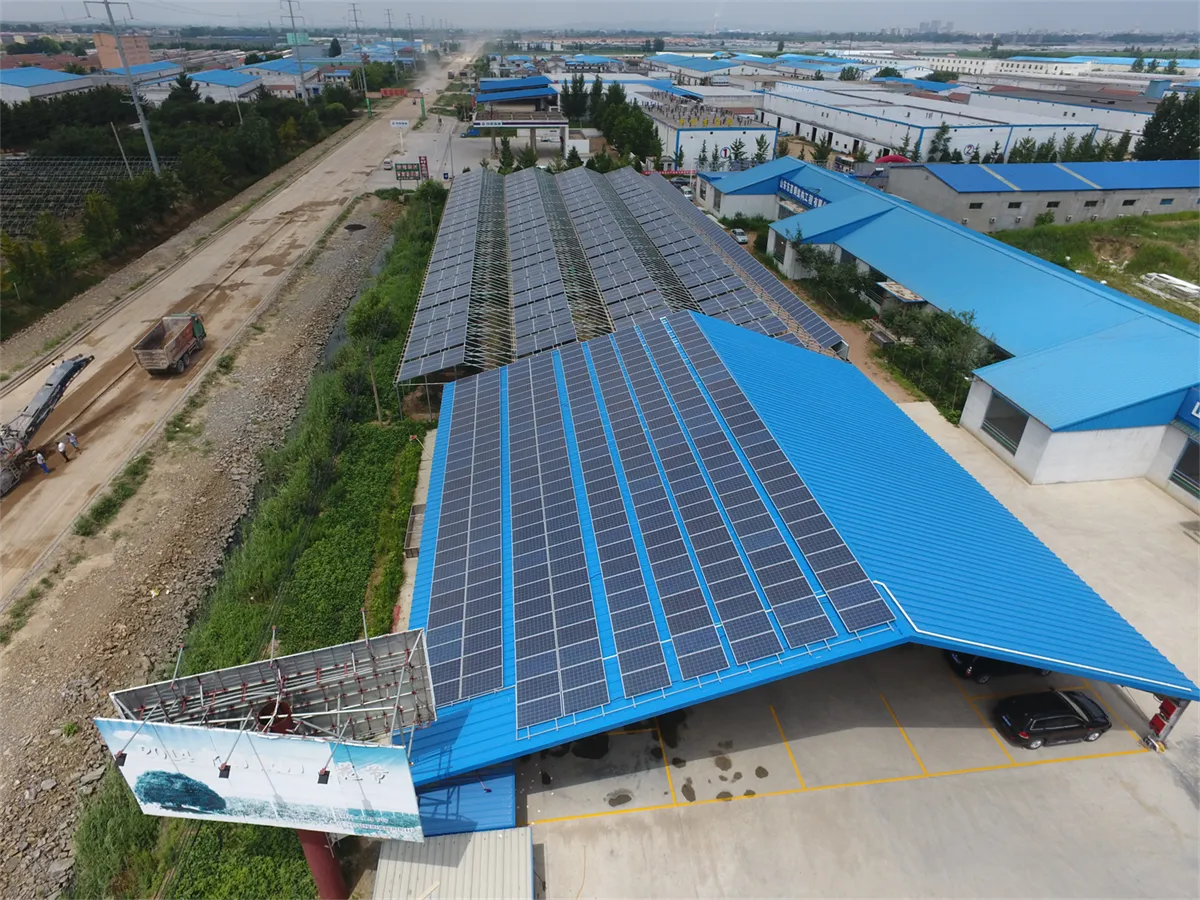
Alright, let's cut to the chase. After looking at all options:
Overall, monocrystalline panels wear the crown for residential use. Why? They deliver the ultimate combo: excellent efficiency, proven longevity, widely available warranties, and steadily decreasing costs as technology improves.
Worth noting: Reputable solar panel suppliers now almost exclusively offer monocrystalline options. When comparing quotes, you'll notice this standardization.
Solar tech evolves at lightning speed. While shopping today's panels, keep an eye on these emerging technologies:
Tiny semiconductor nanocrystals that could theoretically push efficiency to 66%. Currently at 18% in labs, they'd make panels lighter and more adaptable.
A promising thin-film variant using cheap, eco-friendly materials like copper, zinc, and sulfur. Non-toxic alternative to cadmium-telluride thin-film.
Not as creepy as they sound! These dye-sensitized cells generate more power as they age. Lab versions reach 30-34% efficiency.
Carbon-based solar tech that's flexible, cheap to produce, and great for indoor light harvesting. Currently at 19.3% efficiency.
Industry insights suggest many breakthroughs will integrate with existing silicon tech first – like tandem perovskite-silicon cells – rather than immediate replacements.
These double-sided marvels (usually monocrystalline) collect reflected light from below. Great for snow-covered areas or installations above white roofs! They add about 10–20% yield at 15-20% cost increase.
Absolutely. These are standard panels with cells sliced in half, improving efficiency and reducing shading impacts. Most quality panels now use this design.
Recommend Products












