
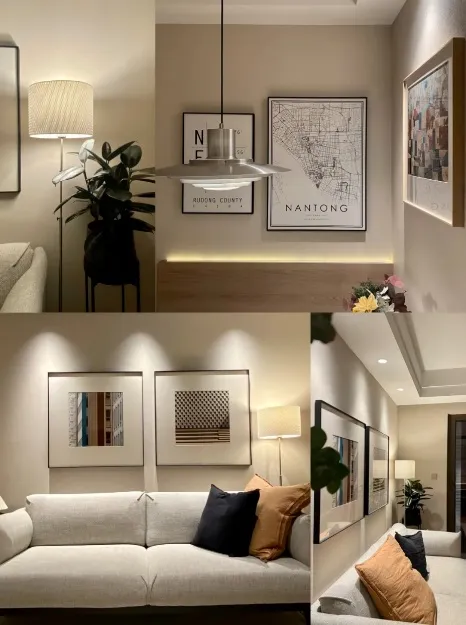
Create the perfect ambiance for every room in your home
Hey there! If you've ever walked into a room and felt instantly relaxed or energized without knowing why, chances are it's the lighting working its magic. Lighting isn't just about banishing darkness—it's the invisible interior designer that shapes how we experience our homes. Today we're exploring the fascinating world of residential lighting and how choosing the right types can transform cookie-cutter spaces into personalized sanctuaries.
Ever notice how restaurants use dim lighting to create intimate atmospheres? Or how hospitals use bright, cool lights in treatment rooms? That's environmental psychology at work. In homes, the stakes are even higher because this is where we recharge and connect. Poor lighting can cause eye strain, affect moods, and make even beautiful decor look drab. The right lighting combination? It can make small spaces feel larger, highlight your favorite artwork, create cozy reading nooks, and even make your morning routine in the bathroom more enjoyable.
Professional designers use a layering approach combining three fundamental types. Think of it like a recipe where each layer serves a distinct purpose:
| Lighting Type | Primary Purpose | Ideal Locations | Common Fixtures | Pro Tips |
|---|---|---|---|---|
| Ambient Lighting | Overall illumination | Living rooms, bedrooms | Ceiling lights, recessed lights | Use dimmers for mood flexibility |
| Task Lighting | Functional focus | Kitchens, home offices | Under-cabinet lights, pendant lights | Aim for glare-free directional light |
| Accent Lighting | Highlighting features | Art walls, architectural niches | Track lighting, wall sconces | Keep at 3x brighter than ambient |
This is the base layer that replaces sunlight after dark. Recessed lighting has become incredibly popular for ambient illumination because it creates clean lines without bulky fixtures. I often recommend installing them with dimmer switches—being able to adjust brightness from movie-night moody to puzzle-solving bright is a game-changer.
But it's not just about overhead fixtures. Light bouncing off walls and ceilings (what designers call "indirect lighting") creates wonderfully soft ambient effects. A favorite trick: hiding LED strips along crown molding to wash walls with gentle light. The key is avoiding harsh shadows and glare—position fixtures so light diffuses evenly throughout the space.
When you need to see clearly for specific activities, task lighting steps in. In kitchens, under cabinet lighting isn't just luxurious—it's essential safety lighting. Lighting those countertops properly prevents knife slips and helps you spot when your coffee's perfectly brewed. For modern minimalist kitchens, low-profile LED strips installed under cabinets provide shadow-free food prep zones without cluttering sightlines.
Home offices deserve special attention here. That inexpensive desk lamp might cause more problems than it solves if it creates screen glare or uneven illumination. Opt for adjustable-arm lamps that can be precisely positioned. In living rooms, floor lamps with directional shades make perfect reading companions next to armchairs.
This is where lighting becomes artistic expression. Track lighting remains incredibly versatile for accent work—its movable heads can spotlight rotating art collections or architectural details. I've seen brilliant installations where track systems highlight textured stone walls or display shelves.
Newer approaches include grazing lights positioned at floor level to illuminate stone finishes vertically, or tiny pin lights that make glass collections sparkle. The magic happens when accent lighting reveals what ambient hides: the grain in wood beams, the texture of brick walls, or the vibrant colors in paintings.
Bathroom lighting requires special attention. The common single overhead light creates unflattering face shadows—layering ambient with vertical vanity lighting creates more natural effects. For kitchen islands , pendant lights do double duty as both task and decorative elements. Keep them 30-36 inches above countertops and space them proportionally.
In bedrooms, consider separate lighting controls for each side of the bed—nothing kills romance faster than bright overhead lights when your partner wants sleep. Smart lighting systems now allow amazing flexibility, letting you create custom "scenes" that adjust multiple fixtures at once. Walking into a softly lit kitchen for midnight snacks without blinding yourself? Yes please!
| Room | Essential Fixtures | Special Considerations | Smart Solution |
|---|---|---|---|
| Kitchen | Recessed ambient, under-cabinet lights | Include pendant lights over islands | Motion-sensor pantry lights |
| Bathroom | Ceiling lights, vertical vanity lighting | Nightlight options for safety | Waterproof smart mirrors |
| Living Room | Dimmable ambient, adjustable accent lights | Lighting zones for different activities | Voice-controlled scene setting |
So how do these layers actually work in practice? Imagine preparing dinner: ambient lighting provides overall brightness, pendant lights directly illuminate your countertop workspace, and subtle under-cabinet lighting ensures your knife skills stay precise. Later, when you're entertaining, dimming the ambient lights while keeping the pendant lights on creates intimate atmosphere over the dining area. Add some strategically placed accent lighting on your wine display and voilà—restaurant-worthy ambiance.
Remember that lighting design isn't about fixtures—it's about experiences. That reading nook needs focused light without disturbing others. The hallway nightlight shouldn't disrupt sleep cycles. The vanity mirror must render colors accurately for makeup application. Good lighting design addresses these human needs.
The LED revolution keeps evolving. Now we have tunable-white lights that shift from energizing cool whites to cozy warm tones throughout the day, syncing with our circadian rhythms. Smart systems like Philips Hue or Lutron Caseta offer app-controlled scene programming. New micro-perforated LED panels create stunning ceiling materials that glow evenly without visible bulbs.
But my favorite innovation? Voice-activated layered lighting. Simply saying "goodnight" can trigger your bedroom lights to slowly dim over 15 minutes while turning on subtle bathroom path lighting—all without fumbling for switches. When lighting adapts to your life instead of vice versa, that's when homes become truly responsive environments.
As you plan your lighting, remember this: there's no universal "best" solution. A spectacular chandelier that wows in a high-ceilinged foyer would overwhelm a cozy cottage bedroom. That gorgeous industrial track lighting that highlights gallery walls might feel cold in a traditional dining room. Let your architecture, color palette, and daily rituals guide your choices. With thoughtful layered lighting, you don't just brighten spaces—you create experiences that feel uniquely, wonderfully human.
Recommend Products












