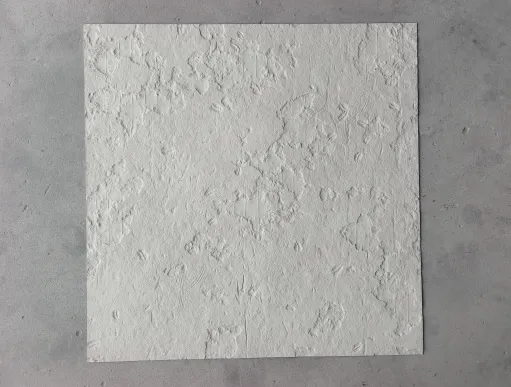
Bali stone isn't just building material - it's liquid culture solidified over centuries. These stones whisper stories of volcanic eruptions and ancient craftsmanship in every ridge and contour.
Walking through a Balinese courtyard feels like stepping inside a living sculpture. Those weather-kissed walls? They're not just pretty faces – they're masterclasses in stone masonry that have stood the test of time (and tropical storms). But what makes Balinese stonework special? Let's dig into the earthy details.
The Living Stones of Bali
The Kerobokan: Bali's Signature Stone
Where it Lives:
Quarried near Badung, Bali's stoneworking heartland
Personality:
Stubbornly durable with subtle mossy undertones
Color Palette:
Nature's mood ring – shifts from storm-cloud grey to deep jungle green
Kerobokan doesn't just sit there looking pretty – it actually gets more interesting as it ages. Unlike man-made materials that deteriorate, this stone develops character marks that homeowners lovingly call "nature's fingerprints." Perfect for
wall cladding systems
where it can breathe and evolve.
Karangasem Lava Stone: The Dark Beauty
Origin Story:
Born from Bali's volcanic temper tantrums
Signature Move:
That dramatic, almost black canvas flecked with metallic whispers
Best Supporting Role:
Feature walls that steal the show without saying a word
Work with Karangasem and you quickly learn why artisans call it "the storyteller stone." Each piece contains microscopic bubbles frozen in time – literal snapshots of the moment lava met ocean air. Modern architects love using it for accent walls that become instant conversation starters.
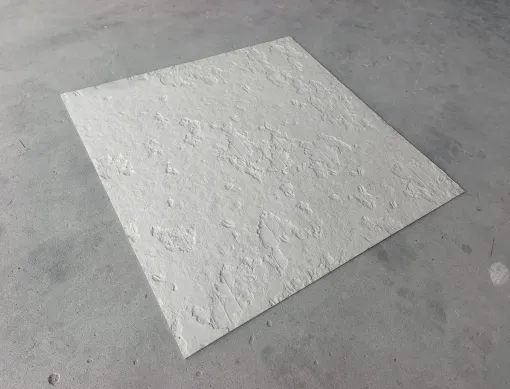
Masonry: Where Technique Meets Texture
Rubble Masonry: The "Imperfectly Perfect" Approach
This is where Bali's soul truly shines. Forget sterile symmetry – rubble masonry celebrates stones exactly as nature made them. Artisans become matchmakers, finding how irregular shapes can lock together like puzzle pieces:
-
Coursed Rubble
: Stones in organized layers, maintaining heights while letting textures run wild
-
Random Rubble
: The freestyle poetry of stonework – shapes and sizes dancing together
-
Dry Rubble
: No mortar, just friction and trust. The ultimate test of a mason's patience
Ashlar Masonry: Geometry's Grand Entrance
When precision matters, Bali masons show their technical prowess with Ashlar techniques:
-
Fine Tooled
: Surgical precision with joints thinner than a coin's edge
-
Quarry Faced
: Leaves stone's "skin" intact where possible – nature's artwork framed by human hands
-
Chamfered
: Softly beveled edges that create elegant shadow plays throughout the day
The real magic happens in the transitions – where meticulous Ashlar meets organic rubble, creating visual conversations between order and chaos.
The Language of Joints & Finishes
Masons don't just build walls – they write love letters to form and function:
-
Butt Joints
: The honest handshake between stones – no tricks, just clean connection
-
Rebated Joints
: The hidden embrace – where stones overlap like clasped hands
-
Punched Finishes
: Textured surfaces that catch light like crushed velvet
-
Dragged Finishes
: Soft undulations that beg to be touched (proof that stone can feel organic)
Pro tip: The smartest Bali architects "plan the patina" – designing with future weathering in mind so structures grow more beautiful with time.
Why Bali Stone Plays Well With Water
Ever notice how Bali stones seem to come alive near pools? There's science behind the romance:
-
Their micro-porous structure wicks moisture away, staying cooler underfoot
-
Natural mineral content resists salt corrosion – crucial in ocean-side resorts
-
Weathered textures create slip-resistant surfaces that get safer when wet
-
Unlike concrete, they never leach harsh chemicals into your swimming water
The result? Copings that feel like they've always been part of the landscape, and pool decks that age like fine wine.
Beyond Walls: Stone as Experience
In Balinese design, stone transcends function:
-
Water Temple Accents
: Karangasem lava stones framing sacred springs
-
Moon Gate Passages
: Circular portals cutting through Kerobokan walls
-
Shadow Screens
: Perforated lava stones casting lace-like patterns at sunset
-
Garden Stelae
: Standing stones that act as focal points in meditation gardens
Each application transforms stone from mere material into spatial poetry.
Preserving the Craft
Traditional methods thrive alongside modern adaptations:
-
Lewis Anchors
: Ancient weight-distributing systems still outperforming modern hardware
-
Compound Mortars
: Traditional lime blends allowing structural "breathing"
-
Artisan Guilds
: Multi-generational workshops keeping specialized techniques alive
-
Digital Templating
: Laser measurements preserving irregular stones' identities
The most respected projects blend the irreplaceable human touch with judicious technology – ensuring craftsmanship doesn't become a museum relic.