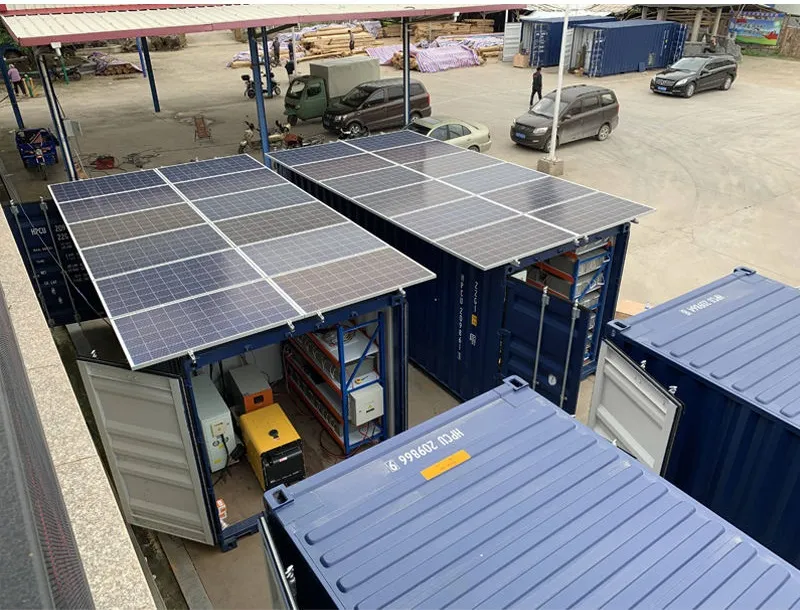
Every buyer searching for the
cheapest solar panels eventually runs into the same dilemma: the lowest price often comes with the highest risk. Solar power has never been more affordable, but the low end of the market is also where the biggest quality traps hide. The good news is that finding inexpensive panels without sacrificing performance is entirely possible, as long as you know what to compare and what to verify. This guide explains what makes a panel genuinely cheap, which quality factors matter most, and how to source affordable panels you can trust.
What "cheap" really means for solar panels
The first mistake most buyers make is comparing sticker prices. A 100 W panel that costs $50 sounds cheaper than a 550 W panel at $165, but the second one delivers more than five times the power. The number that matters is price per watt, the cost of the panel divided by its rated output. When you compare on a per-watt basis, the market in 2026 is remarkably tight: mainstream monocrystalline modules typically sit in the $0.11 to $0.14 per watt range, and large orders can push prices below $0.10 per watt.
Panel technology also shapes the price. PERC modules are the older, more mature option, but production has shifted away from them and their per-watt price is no longer the bargain it once was. N-TOPCon modules have become the value sweet spot, combining 22% to 24% efficiency with per-watt pricing that is often lower than PERC. BC modules offer the highest efficiency and the cleanest all-black look, but they carry a premium that only makes sense when you prioritize appearance or maximum output per square meter.
The quality factors that actually matter
Efficiency is the first number to check. Higher efficiency means more power from the same roof area, which matters most when space is limited. For a typical home roof, modules in the 22% to 23% range offer the best balance of output and price; for large commercial rooftops, 23% to 24% efficiency becomes worthwhile because the extra generation is multiplied across a bigger system.
Degradation rate is the number most buyers overlook. Every panel loses a little output as it ages, but the rate varies enormously. Quality modules degrade at roughly 0.3% to 0.5% per year, while poorly made panels can lose 0.8% to 1.5% per year. Over a 25-year life, that difference adds up to a meaningful gap in total generation, which is exactly why a slightly more expensive panel can turn out to be the cheaper one in the long run.
Warranty terms deserve the same attention as the price. A serious panel carries a 25- to 30-year power warranty and at least a 10-year product warranty covering the frame, glass, and encapsulant. Read the fine print: the best warranties specify the annual degradation limit, not just the headline number of years. Some cheap modules advertise long warranties but never commit to a degradation figure, which makes disputes almost impossible to resolve later.
Certifications are the fastest way to separate real panels from cheap imitations. Independent testing bodies such as TÜV, CE, IEC 61215, and UL verify that a panel meets safety and performance standards. Do not stop at the logo on a brochure; check the certificate number on the issuing body's website to confirm it is genuine.
How to find cheap solar panels without sacrificing quality
Compare the cost per kilowatt-hour, not the upfront price. The true measure of value is the levelized cost of electricity, the average cost per kilowatt-hour over the panel's lifetime. A module with slightly higher efficiency and a lower degradation rate can generate enough extra power to beat a cheaper module on total cost, even when the sticker price is higher.
Verify certifications independently. Cross-check the certificate numbers on the official websites of TÜV, CE, or other issuing bodies. This single step filters out a large share of low-quality product.
Read the warranty fine print. Confirm the degradation limit, the length of the product warranty, and who is responsible for after-sales service. A supplier that puts the terms in writing is far more likely to honor them.
Buy from established suppliers or direct from manufacturers. Intermediaries add margin at every step. Sourcing directly from a manufacturer or from a supplier with direct factory access removes those layers, which is why wholesale buyers can often secure better pricing on the same panels.
Request test reports and samples before committing to a large order. A reputable supplier will share inspection data and can arrange samples so you can check the build quality, frame, and finish yourself.
Why a one-stop building materials supplier makes sourcing easier
This is where COLORIA GROUP comes in. Based in Foshan, China, COLORIA GROUP is a one-stop building materials supplier covering 13 product categories, from walls, flooring, and ceilings to pipes and fittings, sanitary fixtures, customized furniture, home appliances, doors and windows, and solar panels. Because the company supplies the full spectrum of building materials, buyers can consolidate several purchases into a single order, which simplifies logistics and often improves pricing.
As a
solar panel supplier with direct access to manufacturing, COLORIA GROUP can offer
solar panel wholesale price levels that are difficult to match when buying through intermediaries, while keeping quality control in-house. For buyers planning a complete project, working with one supplier also means the panels, electrical fixtures, and other components are coordinated rather than sourced from five different vendors. That single point of accountability is worth a great deal when delivery dates and quality issues come up.
The bottom line
The cheapest solar panel is not the one with the lowest sticker price. It is the one that delivers the most kilowatt-hours per dollar over its working life, backed by a warranty you can actually use and certifications you can verify. Compare on price per watt, check the degradation rate and warranty terms, verify the certifications, and buy from a supplier with a track record. Do that, and you can find affordable panels that perform for decades.