
You know that feeling when you walk into a room and it just feels... complete? Often, that finishing touch comes from a well-placed full-length mirror. These magical pieces do more than just show you your outfit - they transform spaces, bounce light around, and create the illusion of more square footage. But if you've ever found yourself staring at an empty wall wondering where to hang that gorgeous mirror you just bought, you're not alone.
Size and placement make all the difference between a mirror that transforms your space and one that just sits there looking awkward. And trust me, I've seen too many homeowners stick these beauties opposite their messy closets - creating a double disaster zone! Let me guide you through making your mirror work smarter for both your functional needs and your interior design goals.
That "one-size-fits-all" mentality just doesn't cut it with full-length mirrors. Unlike other decorative pieces, these functional giants have to work with your room dimensions and serve your practical needs. Here's how to crack the code:
The Golden Ratio: Your mirror should be at least half as tall as the user's height. If you're 64" tall, aim for 32" or taller. This gives you proper head-to-toe visibility without forcing neck gymnastics. For tall households, don't settle for anything less than full visibility.
But height is only part of the equation. Width matters too! Narrow floor mirrors (18-24" wide) work wonders in tight hallways, while wider designs (30-36") become statement pieces in bedrooms. Your wall dimensions are your limits - measure your available space vertically and horizontally before shopping.
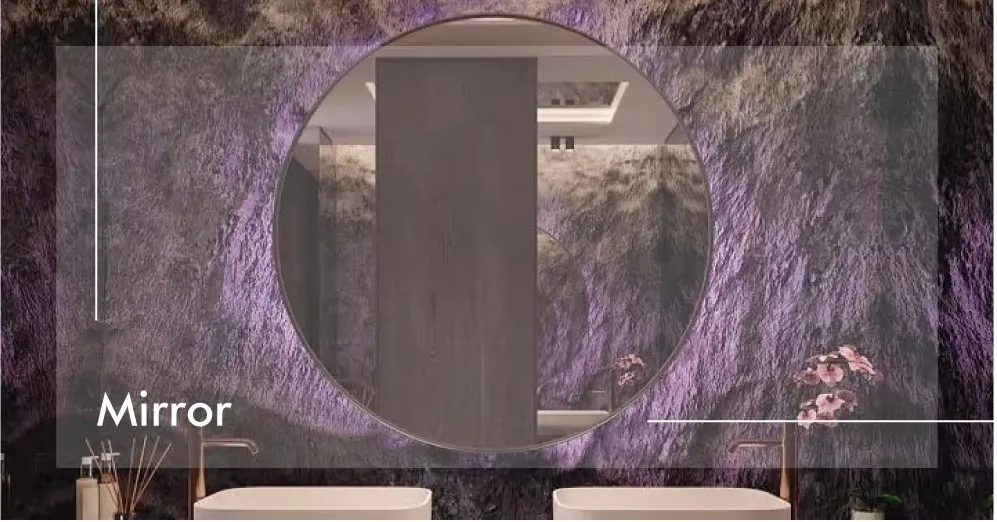
And let's talk shapes! Rectangular mirrors create clean lines and contemporary vibes. Arched or oval designs soften modern spaces. Circular mirrors? They add playful energy but compromise functionality since your reflection gets cropped. Choose based on whether artistic impact or practical reflection matters more in that space.
Where you hang your mirror is just as crucial as choosing the right size. Bad placement can create awkward reflections, glare problems, or even safety hazards. But done right, it enhances both your room's functionality and aesthetics.
Lighting First Rule: Mirrors amplify light beautifully - but position them opposite windows and you'll get blinding sunlight explosions. Instead, place them perpendicular to windows to bounce light sideways into dark corners. This creates balanced illumination without glare headaches.
Don't ignore room flow either. Avoid blocking pathways by placing mirrors behind furniture groupings. In entryways, position them near the door so you can do that final outfit check before heading out. But leave enough space so you're not bumping into visitors while tying your shoes!
And for heaven's sake - watch what they reflect! Your mirror should showcase beautiful parts of your room, not your messy laundry pile. Position them to capture gorgeous views, nice furniture arrangements, or architectural details that deserve highlighting.
Should that full-length wonder live in your bedroom or bathroom? Why not both? Let's explore how mirrors function in different spaces:
Perfect for outfit planning and adding spaciousness before you start your day.
Best Spots: Adjacent to closets, near dressing areas, behind doors, opposite windows (but not direct sun!)
Size Guide: 60-76" height minimum for viewing entire outfits
Beyond traditional vanity mirrors, full-length versions are great for towel checks and last-minute grooming near the bathroom vanity .
Best Spots: Opposite shower areas (with safety glass!), on unused walls
Size Guide: Taller than 70" works best
Create stunning first impressions and make narrow spaces appear wider.
Best Spots: Next to consoles, perpendicular to light sources
Size Guide: Slimmer profiles (18-24" width) work best
Think shape is just an aesthetic decision? Think again! Different mirror contours impact how we perceive space:
Your frame matters too! Ornate gold frames scream traditional elegance while slim metal borders signal contemporary chic. Frameless mirrors disappear visually - perfect when you want to prioritize room expansion over the mirror itself.
Think small rooms limit mirror possibilities? Those spaces actually benefit most from strategic mirror placement! Full-length mirrors remain ultimate illusionists when placed correctly.
Narrow hallways: Position mirrors along the longest wall to push boundaries visually. Avoid placing them at the hallway end where they'll create a distorted reflection tunnel.
In small rooms, place mirrors next to your windows rather than across from them. This bounces sunlight parallel to walls rather than shooting it straight back. You'll notice an instant brightness increase without the harsh glare.
For low ceilings, vertical mirrors are your friends. Choose floor-to-ceiling designs or position standard mirrors about 6" above the floor. This creates a "lift" effect that makes the ceiling seem higher than it is.
And don't forget corners! Angling a mirror diagonally across a corner reflects light from two directions and makes awkward dead zones come alive. This works beautifully in compact living rooms or studio apartments.
Large mirrors bring safety concerns. A falling mirror causes serious injury and property damage. For hanging hardware:
Child and pet safety matters too! Place freestanding mirrors on stable bases rather than leaning them precariously. Anti-tip devices are wise investments for tall leaning mirrors.
Lighting considerations: Keep mirrors away from heavy traffic areas where night reflections might startle you. Avoid positioning them opposite or adjacent to glaring light sources like uncovered bulbs or bright televisions that cause eye strain.
Over years of designing spaces, I've seen every mirror mistake imaginable. Here are the top offenders:
Clutter Doubling: Placing mirrors opposite messy areas doubles visual chaos. Ensure they reflect tidy spots with appealing decor. If your only option faces mess, consider repositioning or using decorative window film to cover part of the mirror.
Privacy Invaders: Bathroom mirrors facing showers or toilets create awkward moments for guests. Maintain privacy with strategic placement outside view lines from doors.
Aesthetic Clashes: Ornate mirrors overwhelm minimalist spaces while industrial frames look alien in traditional rooms. Match your mirror style to existing architecture and furniture.
Your journey to perfect mirror placement starts with measurements - measure your space, your height needs, and available light sources. Remember that mirrors serve both functional and design purposes.
Think about your daily routines. Place mirrors where you naturally pause for self-checks - near exits, in dressing areas, or before leaving bathrooms. Complement these functional spots with design considerations like light reflection and space expansion.
Experiment! Some of my best mirror placements came from unconventional ideas - in book nooks to expand literary vibes, opposite gardens to bring nature indoors, or in small home offices to prevent that boxed-in feeling. Don't be afraid to move things around until you achieve that magical doubling of space and light while serving your daily needs. When it's right, you'll feel it - and your room will show it!
Recommend Products












