
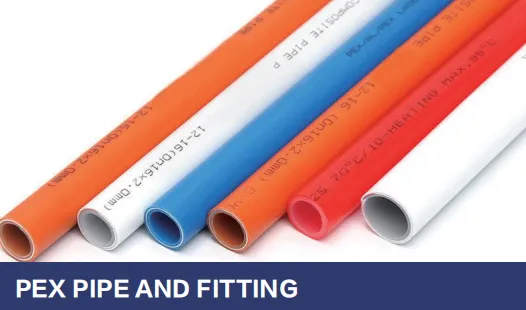
PEX, or cross-linked polyethylene, is a flexible plastic tubing that has become one of the most widely used piping materials for hot and cold water supply. Copper, by contrast, is a rigid metal pipe that has been the industry standard for roughly a century. The difference goes far beyond appearance. PEX is supplied in long coils and can be bent around corners, while copper must be cut, fitted, and joined piece by piece with soldering or press connections. This single difference in flexibility drives most of the benefits described below.
Because PEX tubing bends easily, a single continuous run can be routed through walls, floors, and ceilings to reach a fixture without intermediate joints. Every joint you remove is a joint that cannot leak, and it is also a joint you do not have to pay a plumber to make. Copper systems, in contrast, need an elbow or a coupling at almost every change of direction. Fewer fittings also mean less internal resistance, which helps maintain water pressure throughout the building. For large projects, this reduction in fittings translates directly into lower material costs and a cleaner, more reliable layout.
One of the most dramatic differences between PEX and copper appears in cold climates. When water freezes inside a rigid copper pipe, the ice expands and the metal splits, often causing a burst pipe and serious water damage. PEX behaves differently: the tubing expands slightly to accommodate the ice and returns to its original shape once the water thaws. This freeze-break resistance makes PEX a far safer choice for exterior walls, unheated spaces, and any location where freezing temperatures are a real risk.
Labor is often the largest single cost in a plumbing project, and this is where PEX shines. A flexible coil can be pulled from a manifold to a fixture in one continuous run, and connections are made with simple crimp, clamp, or expansion fittings. There is no soldering torch, no flux, no waiting for joints to cool, and no risk of fire from open flames. Experienced crews can rough in a home in a fraction of the time that copper demands. Copper, by comparison, requires skilled soldering on every joint, which is slower, more expensive, and harder to get right. For contractors working on tight schedules, the time savings alone are often enough to justify the switch.
Copper can develop pinhole leaks over time when the local water is acidic or aggressive, a slow failure that is expensive to find and repair. PEX is immune to this kind of corrosion because it is a plastic material. It does not react with the minerals, pH, or dissolved oxygen in the water supply, which makes it a dependable option in regions with challenging water chemistry. This resistance also means PEX does not corrode when it comes into contact with other building materials, such as concrete or metal fasteners, giving installers more freedom in how and where the pipe is run.
On a per-meter basis, PEX tubing generally costs less than copper pipe, and the savings grow when you account for the reduced number of fittings. PEX also has better thermal insulation properties than metal, which means less heat is lost from hot water as it travels from the heater to the tap, and the outer surface stays cooler and safer to touch. In addition, PEX absorbs vibration and water hammer far better than rigid copper, so plumbing runs are noticeably quieter. These benefits add up to a system that is more economical to install and more comfortable to live with.
To give a balanced view, copper is still preferred in a few situations. It handles very high continuous temperatures well, it is non-combustible in a fire, and some building codes or client specifications still require metal piping. If your project falls into one of these categories, copper remains a valid choice. For the vast majority of standard hot and cold water applications, however, PEX offers a better combination of speed, cost, durability, and reliability.
The benefits of PEX only materialize when the pipe and fittings are manufactured to a consistent standard. That is why it pays to work with an experienced pex pipe and fitting supplier who can provide the full range of tubing, elbows, tees, valves, and manifolds from one source. COLORIA GROUP is a one-stop building materials supplier that offers complete pex pipe fittings alongside a broad portfolio of pipes and fittings, sanitary fixtures, and other construction materials. Buying from a single supplier simplifies procurement, keeps quality consistent, and makes it easier to coordinate delivery across a whole project.
PEX pipe and fitting solutions offer clear advantages over traditional copper for most plumbing applications: fewer fittings and leak points, superior freeze resistance, faster and cheaper installation, corrosion resistance, lower material cost, and quieter operation. Copper still has its place in high-temperature and fire-critical applications, but for everyday hot and cold water systems, PEX is the smarter choice. If you are planning a new build or a renovation, talk to a trusted supplier about how PEX can save you time and money while delivering a system that lasts.
Recommend Products












