


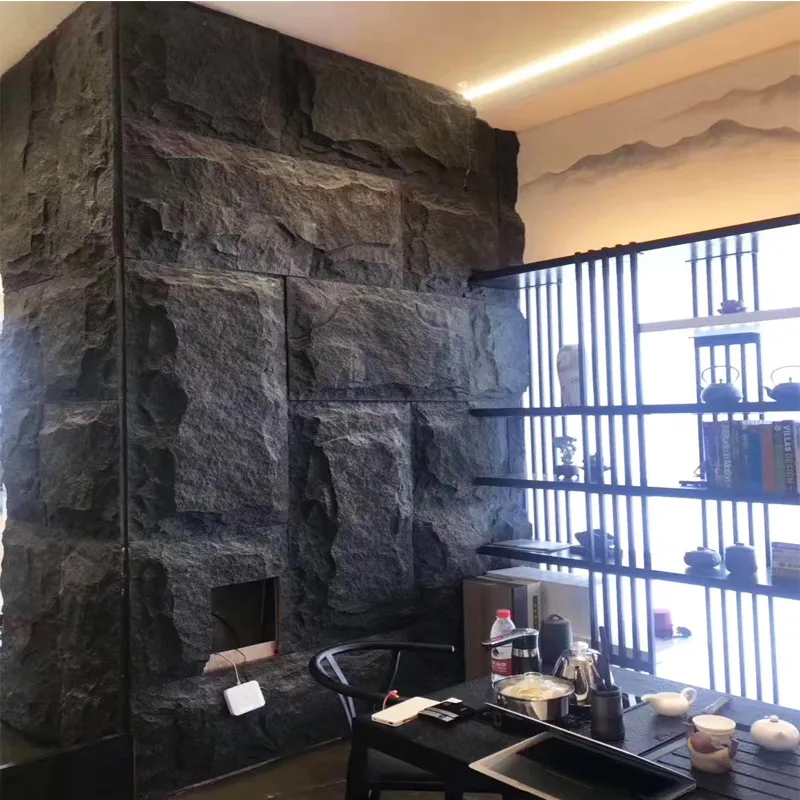
Picture this: You're walking through a forest after rain, and scattered across the damp ground are these fascinating natural sculptures that look like tiny stone mushrooms. These aren't some fantasy world creations but real geological formations called mushroom stones that bridge the gap between nature's artistry and human craftsmanship. Unlike anything else in the natural stone world, mushroom stones combine rugged durability with sculptural beauty, creating a unique material that's transforming how we build and design.
Whether you're a homeowner dreaming of a garden sanctuary or an architect seeking sustainable materials that wow, understanding what mushroom stone brings to the table goes beyond basic aesthetics. It's about finding that perfect blend of form and function—something that looks like it grew there naturally while standing tough against weather, time, and everyday life. Let's peel back the layers of this fascinating material together.
Why Mushroom Stone Stands Out
Unlike conventional building stones, mushroom stones carry a story written by wind, water, and time. Their characteristic cap-and-stem shape makes them instantly recognizable, but it's their journey from raw mineral to architectural star that's truly captivating. They're created through millennia of differential erosion where softer rock layers weather away faster, leaving behind these natural sculptures.
Nature's Engineering Marvel
The magic of mushroom stones starts with geology. These formations typically emerge from limestone or sandstone bedrock where wind-blown particles act like nature's sandblaster. Over centuries, these wind currents meticulously carve away softer rock, leaving behind a slender base and a broad, protective cap that resembles a mushroom. The same process that creates stunning arches in desert landscapes produces these smaller wonders closer to home.
What makes this erosion pattern special? It creates stones where:
- The cap shields the stem from direct rain impact
- Varied mineral composition creates natural resistance
- Unique shapes emerge organically instead of being factory-cut
The Unbeatable Benefits of Mushroom Stone
Timeless Aesthetic Appeal
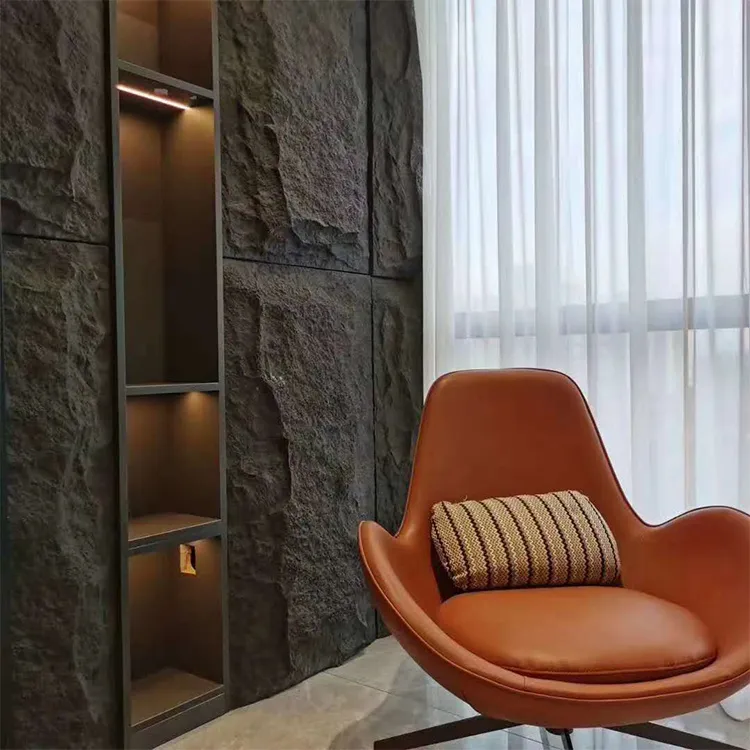
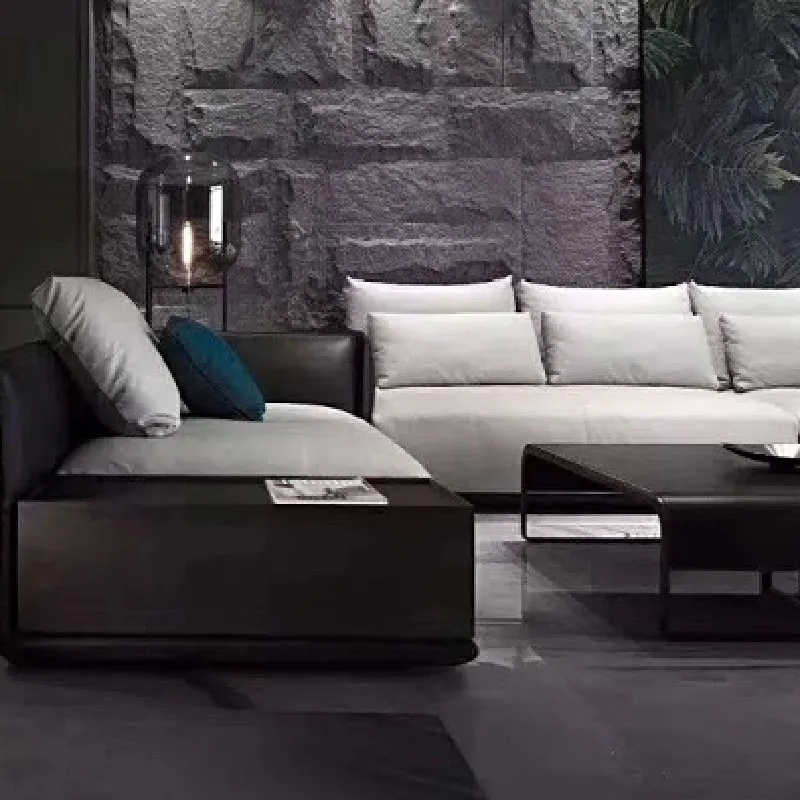
There's nothing quite like the organic feel of mushroom stones. Their uneven surfaces and natural coloration bring authentic texture to spaces. Picture stone walls that look like they've been part of the landscape for centuries, yet installed just last year. The rich earth tones—from warm beiges to deep rusts—make designs feel grounded rather than artificial.
Nature's Durability
These stones laugh in the face of harsh weather. Their compact structure makes them incredibly dense, resistant to freeze-thaw cycles that wreck lesser materials. A mushroom stone patio or wall won't chip, crack, or fade the way concrete pavers or cheap veneers do. They simply mellow with age like fine wine, gaining character rather than losing quality.
Environmental Champion
In construction where "eco-friendly" gets overused, mushroom stones are the real deal. Quarried using precision techniques that minimize waste, they skip the energy-intensive production of materials like concrete. Plus, they don't release VOCs or pollutants once installed. They truly represent architectural façade solutions that respect our planet.
Versatility That Wows
Where can't you use mushroom stone? From rustic garden walls to chic hotel lobbies, these stones morph to fit any style. Build stacked columns that look straight out of ancient Greece or cladding that transforms boring concrete into living art. Landscape designers love them for water features where the contrast between hard stone and flowing water creates magic.
Minimalist Maintenance
Forget tedious sealing rituals and annual repairs. Mushroom stones thrive on neglect. Occasional hosing for outdoor installations is about all they need. Their porous nature actually makes them stain-resistant—rainwater washes through instead of trapping dirt on the surface. They're perfect for busy homeowners who want beauty without babysitting.
Surprisingly Practical
Compared to other natural stones, mushroom stones are lightweights—literally. Their unique structure with broad tops and narrow bases makes them surprisingly easy to transport and install. Masons love working with them because they stack beautifully without complex cutting. This translates to installation savings that offset their premium appearance.
Transformative Design Applications
Let's see where mushroom stones truly shine in real-world settings:
Living with Nature: Homes
Imagine walking up to your house framed by mushroom stone columns flanking the entrance. Inside, a fireplace clad in these textured stones becomes the heart of your living room. Out back, the patio features stacked mushroom stones doubling as both seating and garden borders. They blur lines between architecture and landscape.
Resort Elegance: Hospitality
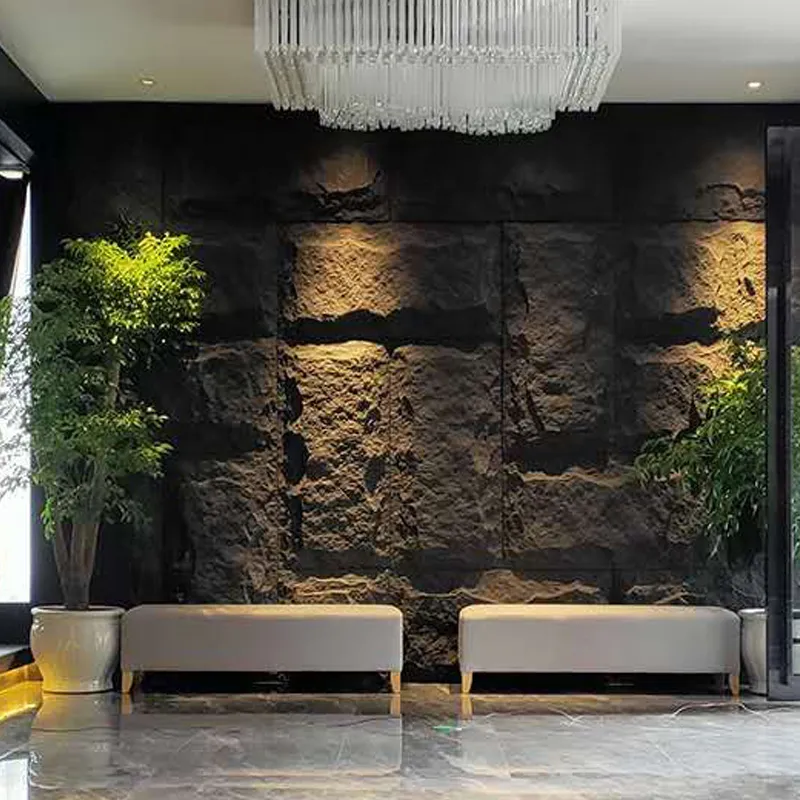
Luxury resorts have embraced mushroom stones like nothing else. Pool surrounds made of these stones feel natural and safe underfoot. Spa walls clad in the material enhance tranquility through tactile texture. Even restaurant patios get transformed into Tuscan courtyards that guests photograph endlessly.
— Elena Rodriguez, Hospitality Design Specialist
Public Beauty: Civic Spaces
Parks benefit immensely from mushroom stones. They create sturdy, vandal-resistant benches and planters that withstand decades of use. For educational campuses, textured walls become outdoor teaching stations about geology and sustainability. In urban plazas, water features incorporate the stones to soften harsh concrete jungles.
Beyond Beauty: The Sustainability Story
What really makes mushroom stones special is their environmental pedigree:
- Low-Impact Quarrying: Responsible quarries extract in small batches, rehabilitating as they go
- Zero Processing: Unlike materials requiring kiln-firing, stones are used almost as-found
- Thermal Advantages: Their thermal mass moderates building temperatures naturally
- Endless Lifespan: These stones last centuries, reducing replacement waste
When installed as green wall cladding systems, they support urban cooling, moisture regulation, and even habitat for micro-ecosystems in their crevices. They're not just sustainable—they're ecosystem enablers.
The Future Built on Ancient Stones
As we rethink how we build in the 21st century, materials like mushroom stone point toward a philosophy where structures coexist with rather than conquer natural elements. Architects increasingly use these stones to reconnect urban spaces with geological history and organic textures we instinctively crave.
The growing interest in biophilic design—bringing nature into our built environments—makes mushroom stones more relevant than ever. They satisfy not just practical needs but emotional ones too. In an era where buildings too often feel sterile, stepping into a mushroom stone courtyard instantly soothes the soul.
Whether accenting a kitchen backsplash with a few specimens or crafting an entire feature wall that becomes a neighborhood landmark, these stones add dimensions beyond visual appeal. They remind us that good design doesn't just serve people—it honors the earth.
Final Thoughts: More Than Just Rocks
Mushroom stones represent that rare sweet spot where natural beauty meets human ingenuity. Their geologic toughness means they'll outlive not just their installers but likely their owners too. Their sculptural charm turns functional walls and surfaces into daily delights. And their environmental grace helps us build spaces that actually heal the planet.
From improving property values with jaw-dropping curb appeal to creating urban sanctuaries that combat concrete fatigue, these stones prove some of the best solutions come not from labs, but from the slow, patient artistry of our earth itself. Next time you plan a project, consider inviting nature's mushroom magic to the party.










