
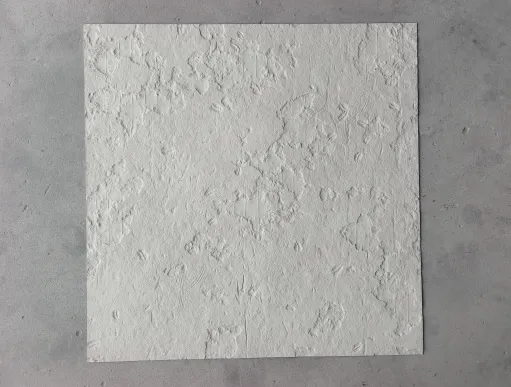
Imagine running your fingers over a surface that tells a geological story millions of years in the making. That's Bali stone. It's not just another building material - it's a conversation between ancient volcanoes and the ocean, between raw earth and artistic vision. As someone who's seen countless materials come and go in architecture, let me tell you: nothing compares to what happens when volcanic magic meets human creativity.
Forget cold, industrial surfaces that make your home feel like a hotel lobby. Bali stone wraps you in warmth. It's got this incredible ability to bridge indoors and outdoors like they're meant to be together. One minute you're in your living room, next thing you know the garden feels like an extension of your space. That seamless flow? That's the magic of working with something naturally in tune with tropical living.
Have you ever noticed how certain materials just feel alive? Bali stone breathes. From the velvety charcoal blacks of lava stones that hold sunset warmth like solar batteries, to sandstone canvases painted with mineral swirls of rust and gold - each piece develops its own personality over time.
It dances with light differently throughout the day. Morning sun reveals crystalline details you'll swear weren't there last night. Rain transforms its colors into deeper, richer shades. Honestly, I've seen clients become stone-whisperers, discovering new patterns weeks after installation. Natural stone manufacturers capture these unique qualities by selecting stones that reflect Bali's diverse volcanic landscapes.
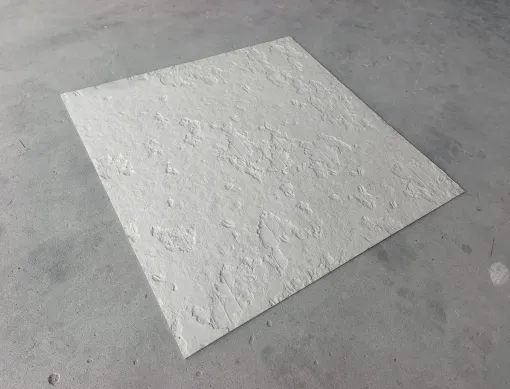
Here's the thing they don't tell you about cheaper alternatives: they stress out in tropical weather. Bali stone? It laughs at humidity. I've visited century-old temples where the stone looks like it was laid yesterday while modern additions crumble. This stuff is forged in volcanic pressure and Indonesian monsoons - your climate-controlled home is practically a vacation for it.
Built for endurance:
Remember that client who thought marble was "luxurious"? Two monsoons later, it looked like soggy cardboard. Meanwhile, their neighbor's Bali lava stone wall just developed this gorgeous silver patina while repelling water like a rainforest leaf. The difference? Deep-time durability versus surface-level beauty.
We're all trying to make better choices, right? Well, Bali stone is Earth's original carbon sequestration project. Unlike energy-guzzling concrete production, harvesting stone creates about 1/10th of the emissions. It requires minimal processing - often just skilled hands and simple tools.
The sustainability edge:
That recycled glass countertop may sound eco-friendly until you see the energy behind it. Bali stone? It literally comes out of the ground ready to perform.
Last summer, I watched a client agonize for weeks about matching stones to their brutalist architecture. We tried one Bali lava stone sample and it was like the building sighed in relief. The rawness complemented the concrete while softening its edges. This stuff transitions seamlessly between aesthetics:
Shape-shifting applications:
I've seen artisans carve seats directly into boulders, create "floating" stone shelves, and even design petrified-looking bathtubs. When the crew starts working, it's not just installation - it's collaborating with the stone's personality.
Let's bust the high-maintenance myth. Bali stone asks only for the occasional conversation with rainwater. I have clients who use simple vinegar-water solutions annually. Compare that to the sealant rituals required for porous stones imported from wetter climates.
The magic of mineral density: Bali stone's volcanic origin creates surfaces so tight, stains struggle to penetrate. That red wine spill on a sandstone countertop? It wipes clean while marble would throw a permanent tantrum. Tropical gardens treat the stone like a companion - a little organic staining actually enhances character.
Ever scorched your feet on hot tiles? Bali stone has a neat trick - it stays cool even when temperatures soar. That thermal mass absorbing daytime heat? It gently releases warmth at night when temperatures drop. The effect:
The cool advantage:
Modern homes become heat amplifiers. Stone interiors? They create this microclimate that just feels easier on your body. It's architectural thermoregulation.
Real talk: that gorgeous imported quartz will date your home within a decade. Bali stone ages like ancestral wisdom. Properly installed? It becomes a literal foundation that future owners will cherish. I've seen vintage stone homes sell for 20% premiums just for the material authenticity.
Value-building qualities:
Developers using Bali stone report faster sales and fewer buyer negotiations. Why? You can't fake authenticity. That stone wall isn't décor - it's heirloom infrastructure.
Here's what data sheets won't tell you: Bali stone changes how people interact with spaces. That coffee nook becomes a ritual corner. Garden walls turn into plant performance stages. Why?
Science shows natural surfaces reduce stress hormones. But I've seen deeper transformations:
We're hardwired to respond to nature's textures. Bali stone satisfies that craving for authenticity in a filtered world. That kitchen isn't just functional - it's grounded. That wall isn't just privacy - it's connection to Earth's memory. That's something no manufactured product can replicate.
Not all Bali stone is created equal. After decades sourcing materials, here's what discerning homeowners demand:
Stone selection secrets:
The best projects feel collaborative - your vision meets the stone's character meets craftsmen's wisdom. That's when walls become geological art installations.
Remember Mrs. Thompson? She cried when her wall installation finished. "The stones fit together like the wall remembered being a mountain." That's Bali stone.
In our disposable world, Bali stone teaches permanence. It asks for nothing but offers everything: beauty with backbone, luxury with longevity, artistry with integrity. Your home isn't just shelter - it's continuity with the land.
Next time you consider materials, ask yourself: Will this feel relevant in 100 years? Will it welcome grandchildren's touch? Will it honor the Earth that birthed it? If your answer leans "no," remember the volcanic gift waiting on an Indonesian island.
Recommend Products












