


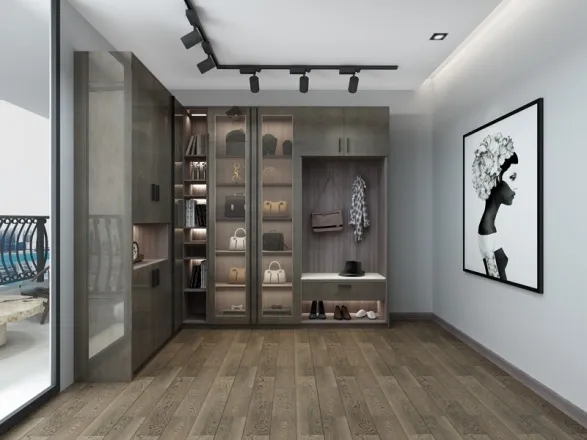
You know that familiar scene when you walk into someone's home and there's a mountain of shoes piled by the door? Tripping over trainers, mismatched sandals, and those worn-out boots? That daily chaos is exactly what a shoe cabinet was designed to solve. These storage gems aren't just functional furniture - they're the unsung heroes of home organization, hiding away our footwear clutter while keeping our spaces tidy and breathable. Whether you're in a compact urban studio or a spacious suburban house, understanding how shoe cabinets transform living spaces can revolutionize how you interact with your home.
At its heart, a shoe cabinet is just what it sounds like - a dedicated space for your footwear collection. But calling it "just a shoe holder" would be like calling a smartphone "just a telephone". Modern shoe cabinets come with ventilated designs, modular drawers, hidden compartments, and even built-in seating. They're the gatekeepers between your indoor sanctuary and the messy outside world, catching dirt and debris before it spreads through your living space. Let's unpack all the practical magic these humble cabinets bring to our homes.
The Problem Solvers
Imagine coming home after a long rainy day. Your shoes are muddy, maybe a bit damp, and you definitely don't want that mess tracking through the house. A ventilated shoe cabinet gives them space to dry out while containing the mud splatters. Most cabinets have slatted doors or breathable panels allowing air circulation, preventing mildew and nasty smells. And if you've ever played "hunt the matching shoe" in a morning rush, you'll appreciate how cabinets create designated spaces for different types - work heels together, weekend sneakers in another slot, winter boots stashed below.
Why ventilation matters:
Closed cabinets without airflow turn into microbial parties. Shoes kept in unventilated spaces show 65% higher bacterial growth according to indoor environment studies. Proper air circulation keeps footwear fresher longer and prevents damage to cabinet materials too.
Space Maximizers
In small urban apartments where every square inch counts, shoe cabinets are spatial magicians. Think about the wasted space under your staircase, that awkward nook by the entryway, or the gap beneath your coat rack. Slim-profile cabinets slide into these spaces, turning dead zones into functional storage. Modern slim designs average just 12-14 inches deep - shallow enough to tuck behind doors yet capable of holding 20+ pairs in vertical tiers.
Creative configurations turn cabinets into multi-taskers: Models with padded tops become impromptu benches for putting on shoes. Those with side hooks swallow keys and dog leashes. You'll even find cabinets with integrated charging stations in the base for your phone while you lace up. For custom furniture solutions, like tailor-made cabinetry for tricky corners, manufacturers create configurations matching exact room dimensions - no more wasted gaps.
Aesthetic Harmonizers
Let's be honest - shoes aren't exactly art pieces we want displayed. Even the prettiest footwear collection looks chaotic en masse. Cabinets solve this by becoming camouflage experts. Through finishes like matte white, oak veneers, or modern metallic, they blend into your interior landscape. You can match them to existing furniture or make them intentional design statements with bold colors and handles. The options are endless: Nordic minimalism, industrial metal grilles, rattan-front tropical vibes, or even clear acrylic for boutique-like displays.
Color psychology shows neutral storage pieces reduce visual noise, lowering stress levels when entering a space. And when it comes to resale value, organized entryways make stronger first impressions than shoe avalanches. Realtors consistently note homes with proper storage solutions command 2-3% higher valuations than comparable disorganized spaces.
Seasonal Organizers
Our footwear wardrobe naturally rotates with the seasons - sandals dominating summer, boots taking over winter. Cabinets give structure to this cycle through smart storage design. Deep bottom drawers handle bulky snow boots while narrow top compartments corral delicate ballet flats. Many feature modular drawers letting you customize layouts as collections change.
Some homeowners use cabinet zones like clothing racks: Winter section, spring section, summer section, each tagged or color-coded. For families, vertical divided cabinets can assign columns per member - no more hunting through everyone's mixed footwear. When storing off-season shoes, cabinetry's enclosed environment protects against dust, sun damage, and curious pests better than open racks. Add silica packets to drawers for extra humidity control.
Real-life hack:
Place cedar blocks in out-of-season compartments. They naturally repel moths and insects while providing that nostalgic camp cabin aroma. Rotate these periodically for continuous protection.
Beyond Just Shoes
The best shoe cabinets secretly moonlight as multi-purpose storage heroes. Beyond footwear, they devour entryway essentials like:
- Umbrella stands in tall vertical models
- Dog leash hooks mounted inside doors
- Built-in baskets for mail sorting
- Lockable drawers for package deliveries
- Top surfaces holding plants, sculptures or lamps
This makes them invaluable not just in entryways but garages, mudrooms, laundry areas, and even at patio doors where sandy beach footwear gets contained. You'll find designers incorporating them in modern office reception areas too, discretely storing spare presentation shoes or rainy-day boots under a sleek bench-top surface.
Future-Proof Materials
Cabinet materials evolve with our lifestyles:
- ABS Plastic: Affordable, lightweight, stain-resistant workhorses ideal for student spaces and rentals
- MDF + Melamine: The middle-ground champs offering decorative finishes that wipe clean easily
- Solid Wood: Long-term investments with natural antibacterial properties and endurance against years of opening/closing
- Metal Frames: Increasingly popular for industrial lofts, with mesh fronts for maximum ventilation
Your choice depends on lifestyle needs. Pet owners lean toward wipeable melamine finishes. Families with kids prefer rounded corners and soft-close drawers to prevent accidents. Apartment dwellers consider cabinet weight when moving. High-humidity areas require moisture-resistant laminates. Understanding these distinctions ensures your cabinet adapts with your life.
Installation Insights
Unlike bulky wardrobes, shoe cabinets offer flexible installation. Freestanding units require just an empty floor space. Wall-mounted models float above ground, creating the illusion of space - perfect over heated floors where you don't want obstruction. Corner cabinets utilize dead zones behind doors. Some innovative designs even attach directly to door backs themselves!
For tricky spaces like lofts with slanted walls or attic entries, modular systems assemble like building blocks. Most manufacturers offer depth extenders, additional drawer modules, and top units that stack seamlessly. This "grow with needs" flexibility means starting small then expanding storage as families grow or footwear collections multiply.
Installation tip:
When placing near entry doors, leave clearance behind cabinet doors equal to their width plus 6 inches. This prevents constant bumping and provides comfortable access space, especially when wearing jackets or carrying bags.
Finding Your Perfect Cabinet
Finding your ideal cabinet involves more than measurements. Assess your daily routine: Do you kick shoes off urgently needing storage? Do kids drop belongings immediately inside? Your habits dictate optimal positioning. Analyze collection types too - if 70% are boots, prioritize deep compartments over shallow ones.
For compact solutions, don't overlook vertical tower cabinets or models under staircases. Larger families may opt for combination units with coat storage above shoe cubbies. If accessibility matters (for seniors or children), drawers beat deep cabinets requiring bending and reaching. Don't forget lighting - integrated cabinet lights illuminate contents in dim hallways. Finally, consider maintenance - wipeable finishes outperform porous materials requiring monthly treatments.
Beyond Functionality
Ultimately, shoe cabinets represent psychological boundaries between public and private worlds. They're tangible expressions of leaving the day's stress at the door. The simple act of storing shoes becomes symbolic ritual - crossing a threshold where work ends and home begins. As organizational experts note, structured storage spaces create mental breathing room, lowering anxiety associated with household clutter.
Whether you choose sophisticated built-ins or simple stackable cubes, the transformative power remains. These compact solutions reclaim square footage, preserve flooring surfaces, reduce cleaning demands, and create instantly calmer entries. So next time you trip over scattered footwear or smell funky gym shoes permeating your hallway, remember: The elegant solution awaits, standing neatly in a corner - patiently ready to organize your comings and goings.










